
Cardiac Monitoring Is Changing—Are Wearable ECG Devices Keeping Up?
For years, the Holter monitor has been the go-to solution for ambulatory cardiac monitoring. While it continues to play an important role in diagnosing heart rhythm disorders, today's clinical environment demands more than just continuous ECG recording.
Healthcare is becoming increasingly digital, patients expect greater comfort, and clinicians need faster access to reliable diagnostic data. These evolving expectations have accelerated the development of next-generation Wearable ECG devices that combine mobility, intelligent software, and improved patient experience.
For cardiologists, electrophysiologists, and healthcare providers, the conversation is no longer about replacing traditional monitoring—it is about choosing technology that delivers high-quality ECG data, supports efficient clinical workflows, and encourages better patient adherence during short-term ECG monitoring.
In this article, we'll explore the features clinicians should expect from modern Wearable ECG devices and why these innovations are shaping the future of ambulatory cardiac care.
Why Short-Term ECG Monitoring Is Becoming More Valuable
A standard 12-lead ECG provides only a brief snapshot of cardiac activity. If a patient's symptoms occur intermittently, the test may not capture the underlying rhythm abnormality.
That's where short-term ECG monitoring makes a significant difference.
By intermittently recording heart activity over long duration, clinicians have a much better opportunity to detect transient arrhythmias that may otherwise go unnoticed.
Common clinical situations where short-term monitoring is recommended include:
- Intermittent palpitations
- Suspected atrial fibrillation (AFib)
- Unexplained dizziness
- Syncope (fainting episodes)
- Evaluation of treatment effectiveness
- Post-procedure rhythm assessment
Rather than relying on a single ECG reading, clinicians gain access to a broader picture of the patient's cardiac rhythm during everyday activities.
Key Takeaway: Intermittent monitoring over several days often provides more clinically meaningful information than a single ECG performed during an office visit.
How Wearable ECG Devices Have Evolved
Wearable ECG technology has advanced considerably over the last decade.
Earlier systems primarily focused on recording ECG signals. Today's devices are designed to improve the entire monitoring experience—from patient application to data review.
Modern Wearable ECG devices are expected to offer:
- Lightweight, patient-friendly designs
- Reliable ECG signal quality
- Wireless connectivity
- Secure cloud-based reporting
- AI-assisted rhythm detection
- Faster clinical workflows
These improvements not only enhance the patient experience but also help clinicians spend less time managing data and more time making informed clinical decisions.
Traditional Holter Monitor vs. Next-Generation Wearable ECG Device
| Feature | Traditional Holter Monitor | Next-Generation Wearable ECG Device |
|---|---|---|
| Device Design | Bulky recorder with multiple wires | Compact, lightweight wearable |
| Patient Comfort | Moderate | High |
| Mobility | Restricted | Designed for everyday activities |
| Data Transfer | Manual download | Secure digital upload |
| Report Generation | Manual workflow | Faster digital reporting |
| Patient Compliance | Can be challenging | Improved through simplified wear |
Features Every Clinician Should Expect from Modern Wearable ECG Devices
Not every Wearable ECG device offers the same level of performance.
When evaluating a monitoring solution, clinicians should look beyond recording duration and consider how the device supports diagnostic accuracy, workflow efficiency, and patient compliance.
1. High-Quality ECG Signals That Clinicians Can Trust
Every clinical decision begins with reliable data.
Poor signal quality caused by movement, loose electrodes, or electrical interference can make ECG interpretation more difficult and may even require repeat monitoring.
Next-generation Wearable ECG devices are engineered to minimise signal disruption and provide clear recordings throughout the monitoring period.
This becomes especially important when evaluating patients with intermittent arrhythmias, where even a single missed event can delay diagnosis.
Look for devices that offer:
- Stable ECG recordings
- Reduced motion artefacts
- Consistent signal quality during daily activities
- Reliable rhythm analysis
2. Better Patient Comfort Leads to Better Diagnostic Outcomes
Patient compliance is often overlooked—but it directly affects diagnostic success.
If patients remove the device early because it is uncomfortable or interferes with daily life, clinicians lose valuable ECG data.
Modern wearable ECG devices focus on comfort without compromising performance.
Patients can continue many of their normal daily activities while wearing the monitor, increasing the likelihood of completing the prescribed monitoring period.
Better comfort often results in:
- Fewer incomplete studies
- Reduced repeat monitoring
- Higher diagnostic confidence
Simply put, when patients wear the device as intended, clinicians receive more complete information for clinical decision-making.
AI-Assisted Analysis Is Enhancing Clinical Efficiency—Not Replacing Clinical Judgment
As cardiac monitoring generates larger volumes of ECG data, clinicians need tools that help them review recordings more efficiently without compromising diagnostic accuracy.
This is where artificial intelligence (AI) is beginning to make a meaningful difference.
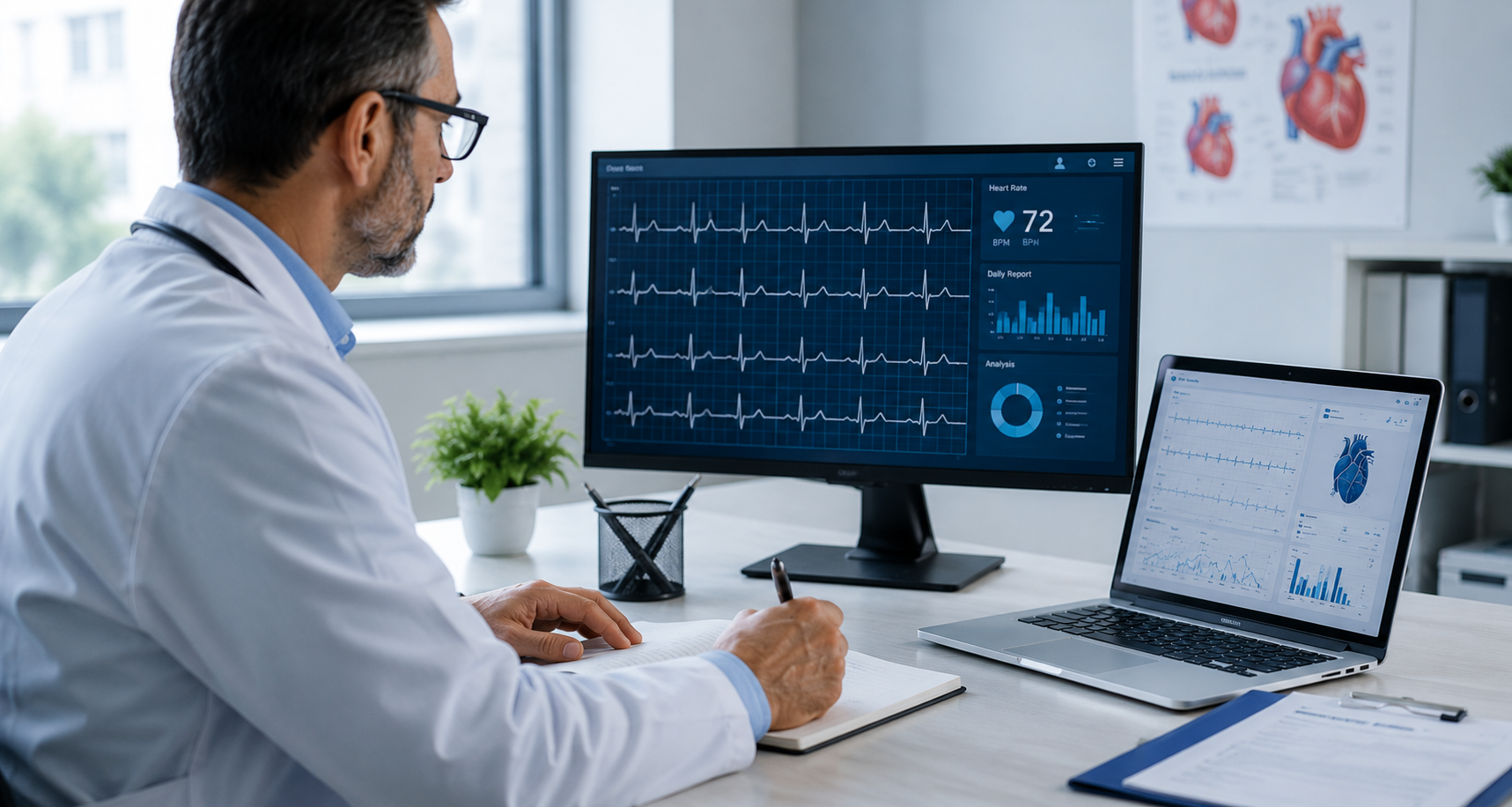
Modern Wearable ECG platforms increasingly use AI to identify potential rhythm abnormalities, organise long recordings, and highlight clinically significant events for review. Rather than replacing physicians, these tools act as a clinical decision-support system, helping reduce the time spent searching through hours of normal rhythm strips.
Clinicians can expect AI-enabled platforms to support:
- Automatic rhythm event identification
- Prioritisation of abnormal ECG segments
- Faster report generation
- Improved workflow efficiency
- Better organisation of ECG data for review
However, the final interpretation should always remain with a qualified healthcare professional. AI can improve efficiency, but clinical expertise remains essential for diagnosis and treatment decisions.
Seamless Digital Workflows Matter as Much as Signal Quality
A high-quality ECG recording has limited value if accessing, reviewing, or sharing the data is time-consuming.
Modern cardiac care depends on connected workflows that allow clinicians to move quickly from recording to interpretation.
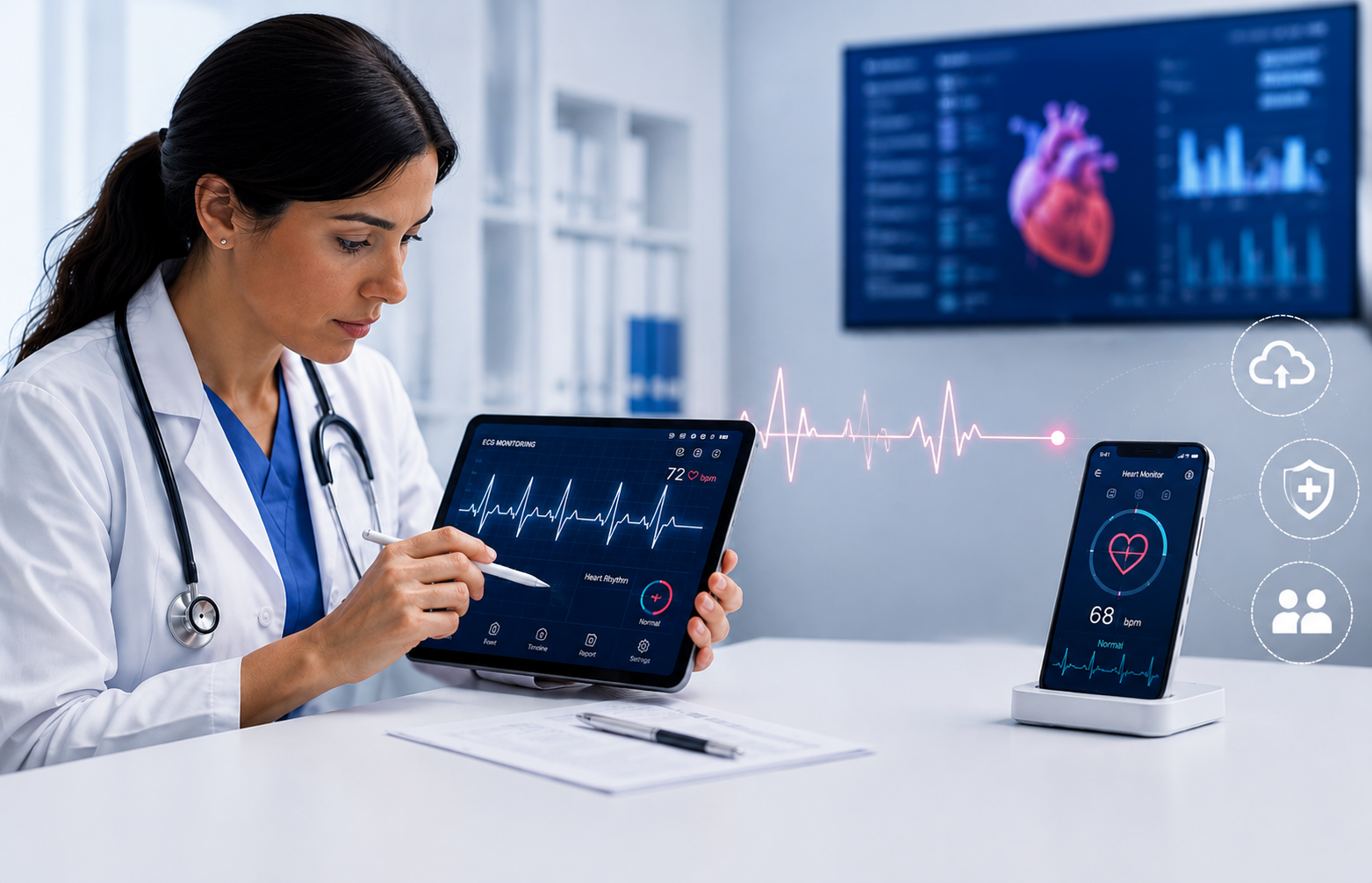
The next generation of Wearable ECG devices should simplify every step of the monitoring process—from patient onboarding to report generation.
An ideal workflow should allow clinicians to:
- Start ECG monitoring within minutes
- Review recordings digitally
- Generate reports without manual processing
- Share findings securely with specialists
- Integrate reports into existing EMR/EHR systems
Reducing administrative complexity gives clinicians more time to focus on what matters most—patient care.
Beyond the Device: Why the Complete Monitoring Ecosystem Matters
When evaluating a Wearable ECG solution, it is important to look beyond the hardware.
The most effective systems combine wearable technology with intuitive software, secure data management, and streamlined clinical workflows.
This integrated approach helps reduce operational burden while improving the overall monitoring experience for both clinicians and patients.
How FibriArt Supports Modern Short-Term ECG Monitoring
As healthcare increasingly moves toward digital-first diagnostics, solutions that combine portability, speed, and workflow efficiency are becoming increasingly valuable.
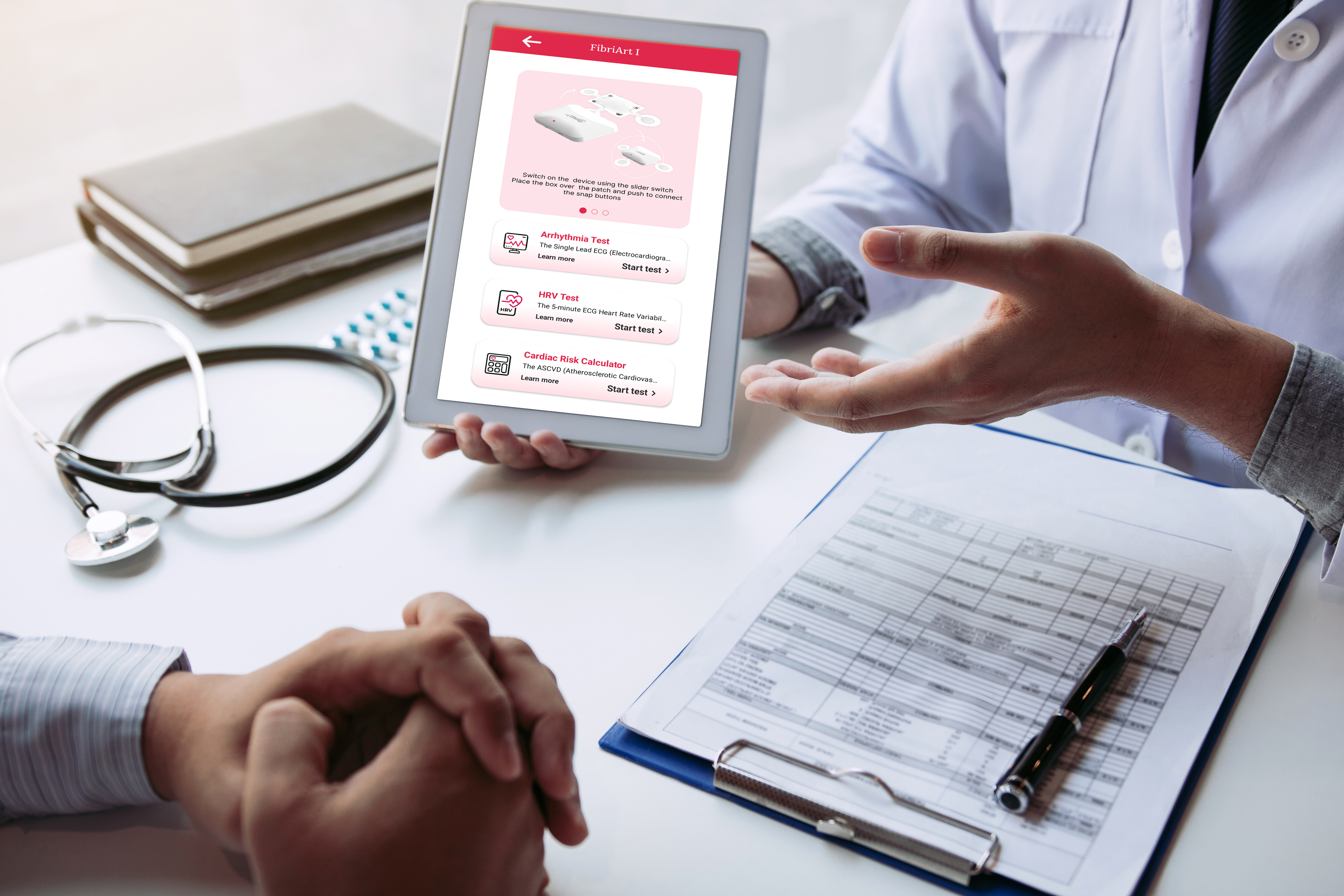
FibriArt has developed a family of wearable ECG monitoring solutions designed to support different clinical monitoring requirements—from rapid in-clinic assessments to extended ambulatory monitoring. The platform includes multiple devices tailored to different monitoring durations, allowing healthcare providers to choose the most appropriate option for each patient's clinical needs.
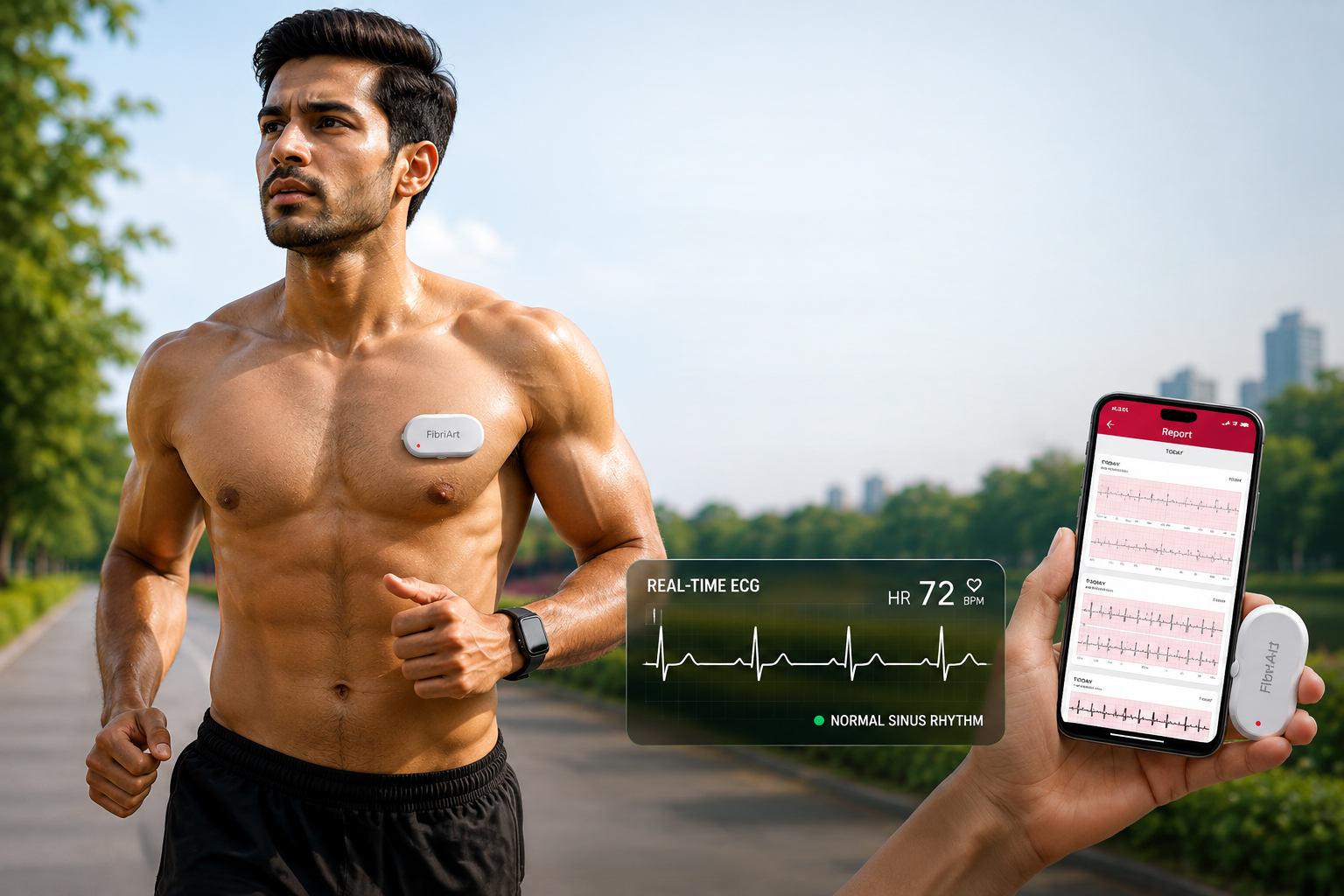
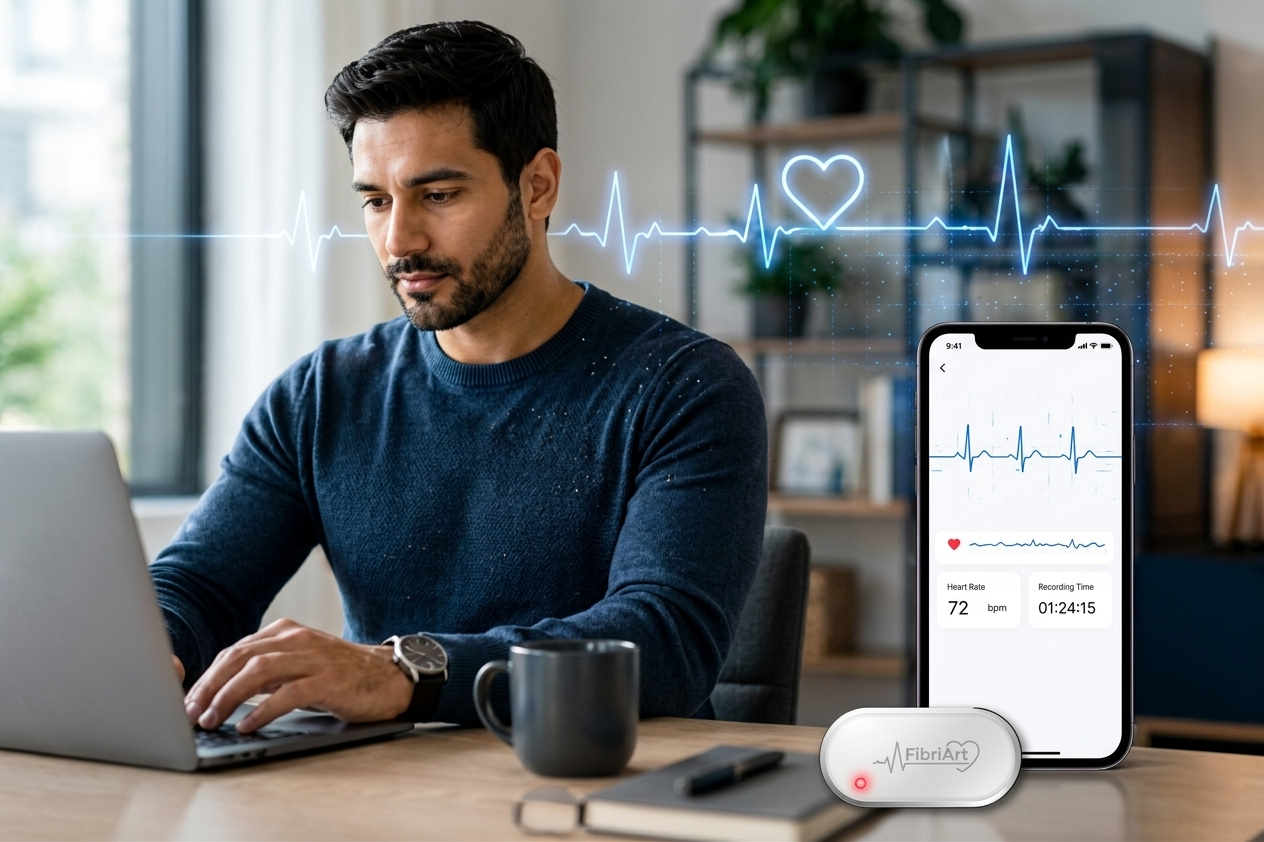
For short-term ECG monitoring, FibriArt-I is designed specifically for situations where clinicians require immediate ECG recording without introducing unnecessary workflow complexity.
FibriArt-I is built around three core components:
- A lightweight adhesive ECG patch
- A detachable ECG device module
- A companion mobile application
Together, these components allow clinicians to initiate ECG recording, save patient sessions, and generate digital ECG reports through a streamlined workflow.
Key capabilities of FibriArt-I include:
- 30 to 300-second instant ECG recordings for symptom evaluation
- Wireless Bluetooth connectivity with a smartphone application
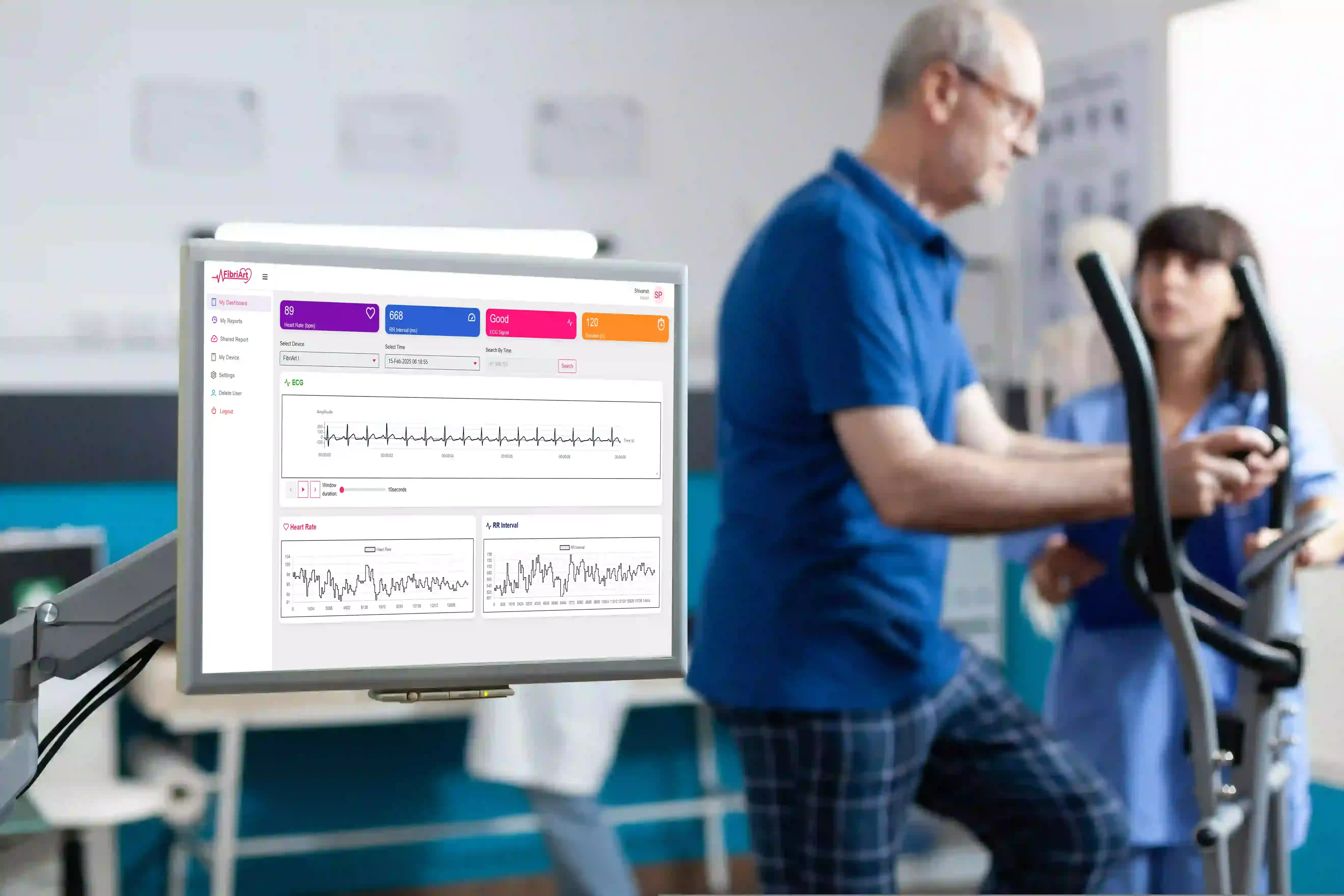
- Instant PDF ECG report generation for quick clinical review
- Heart Rate (HR), R-R Interval (RRI), and HRV analysis
- Simple digital workflow that fits naturally into outpatient consultations
One practical advantage of the system is its simplicity.
Instead of referring patients for additional appointments or complex monitoring procedures, clinicians can initiate ECG recording during the consultation when clinically appropriate. Patient information is entered into the application, the ECG patch is applied, and recording begins within minutes. Once complete, the recording can be saved and converted into a digital report for physician review.
This streamlined approach helps reduce unnecessary delays while supporting faster clinical decision-making.
Choosing the Right Wearable ECG Device: A Practical Checklist
Every healthcare setting has different monitoring requirements, but there are several features clinicians should prioritise when evaluating a Wearable ECG solution.
- Reliable ECG signal quality
- Comfortable wearable design
- Quick device application
- Secure wireless data transfer
- Digital report generation
- Easy access to recorded ECG data
- Integration with existing clinical workflows
- Scalable monitoring options for different patient needs
Choosing a solution that balances diagnostic performance with operational efficiency can improve both clinician productivity and the patient experience.
The Future of Wearable ECG Monitoring
Wearable ECG technology continues to evolve beyond simple rhythm recording.
Future innovations are expected to focus on:
- Smarter AI-assisted ECG analysis
- Greater interoperability with digital health systems
- Enhanced remote patient monitoring
- Faster access to clinically relevant insights
- More personalised cardiac care pathways
As these technologies mature, Wearable ECG devices will play an even greater role in helping clinicians diagnose cardiac rhythm disorders earlier while supporting more efficient outpatient care.
Conclusion
The next generation of Wearable ECG devices is reshaping how clinicians approach short-term cardiac monitoring.
Today's solutions are expected to deliver more than continuous ECG recording. They should provide reliable signal quality, support better patient compliance, simplify clinical workflows, and enable faster access to actionable cardiac data.
For healthcare providers, selecting the right monitoring solution means evaluating the complete ecosystem—not just the device itself.
Platforms such as FibriArt, including FibriArt-I for rapid short-term ECG recording, demonstrate how wearable technology, digital reporting, and connected workflows can work together to support more efficient cardiac care. By combining patient-friendly design with streamlined clinical processes, these solutions help clinicians capture meaningful ECG data when it matters most while improving the overall monitoring experience.
Frequently Asked Questions
It depends on the clinical indication. Holter monitors remain valuable for continuous monitoring over 24 hours or longer, while newer Wearable ECG devices often provide improved comfort, simplified workflows, and digital reporting capabilities that are well suited for many short-term monitoring scenarios.
Key considerations include signal quality, patient comfort, ease of application, secure data management, reporting capabilities, workflow integration, and the ability to capture clinically meaningful ECG recordings.
Patients who wear the monitoring device correctly throughout the prescribed period are more likely to produce complete ECG recordings, improving the likelihood of detecting intermittent arrhythmias and reducing the need for repeat monitoring.
FibriArt-I enables clinicians to initiate ECG recordings during patient consultations, generate digital PDF reports, and review ECG data through a mobile application, helping integrate short-term ECG monitoring into routine outpatient practice.
Yes. Many modern Wearable ECG systems support wireless connectivity, digital reporting, secure cloud access, and integration with hospital information systems, making them increasingly suitable for connected and outpatient cardiac care.
References
- American College of Cardiology (ACC). Wearable Technology in 2021: Five Burning Questions Cardiologists Are Asking.
- European Society of Cardiology (ESC). 2024 ESC Guidelines for the Management of Atrial Fibrillation.
- National Center for Biotechnology Information (NCBI). Ambulatory ECG Monitoring. StatPearls Publishing.
- Heart Rhythm Society (HRS). Clinical Resources and Consensus Statements.
- Journal of the American College of Cardiology (JACC). Wearable and Ambulatory ECG Monitoring Research.
- JMIR Cardio. Wearable Electrocardiogram Technology: Help or Hindrance to the Modern Doctor?
- American Heart Association (AHA). Arrhythmia and Heart Rhythm Resources.
- FibriArt. How FibriArt-I Streamlines ECG Patch Clinical Workflow.
Recent Posts



Limitations of Traditional Cardiac Monitoring Devices
March 25, 2026
How Fibriart-I ECG Patch Fits Into Your Clinic Workflow
March 11, 2026

Common Cardiac Rhythm Disorders and How They Often Go Undetected
February 05, 2026




The Future of Heart Health: How Wearable Heart Monitors Saving Lives
February 20, 2025