Why Cardiac Monitoring Needs Are Changing
Cardiac monitoring has always been a key part of diagnosing heart conditions, but the way these conditions present today is changing. With the rise in atrial fibrillation and other intermittent arrhythmias, clinicians are increasingly dealing with symptoms that appear unpredictably and often outside clinical settings.
Many cardiac events occur during routine daily activities - while walking, working, or even sleeping. This makes short-term, clinic-based monitoring less reliable in capturing meaningful data. While traditional cardiac monitoring devices are still widely used, they often struggle to keep up with these evolving clinical demands.
Common Types of Cardiac Monitoring Devices
In routine clinical practice, different monitoring tools are used depending on the patient's symptoms and risk profile.
Some of the most commonly used devices include:
- Resting ECG: Provides a quick snapshot of heart activity in a clinical setting
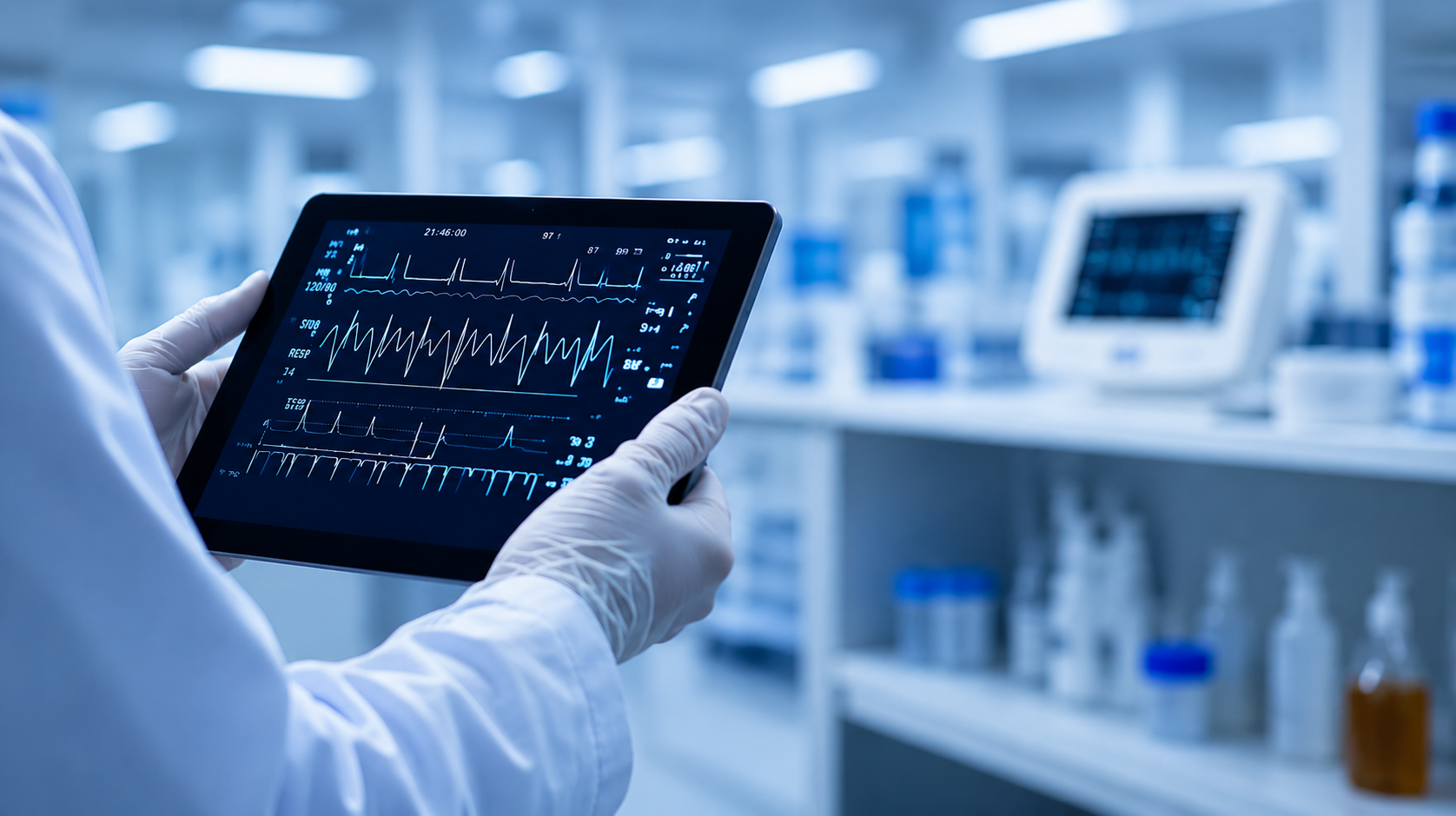
- Holter monitor / ECG Holter monitor: Continuous recording for 24-48 hours
- Wireless Holter monitor: Offers improved mobility
- Cardiac loop monitor: Designed for long-term, event-based recording
- Home cardiac monitor: Used for basic tracking outside hospital environments
Each of these devices plays an important role, but their effectiveness depends heavily on whether the monitoring period aligns with symptom occurrence.
The Core Clinical Challenge: Intermittent Symptoms
One of the biggest challenges in cardiac diagnostics is the intermittent nature of symptoms. Patients may experience irregular heart rhythms occasionally, often during daily activities rather than in a clinical setting.
This creates a gap - not because short-term monitoring is ineffective, but because traditional monitoring does not always capture the moment when symptoms actually occur.
When monitoring is not aligned with real symptoms, even accurate devices can produce incomplete insights.
Key Limitations of Traditional Cardiac Monitoring
Limited Monitoring Duration - or Limited Timing?
It's not just about how long a device records-it's about when it records.
Traditional Holter monitors record continuously for a fixed duration (24-48 hours), regardless of whether the patient is experiencing symptoms.
- Monitoring may occur when the patient feels completely normal
- Critical events can still be missed outside the recording window
- Leads to repeat testing despite "normal" reports
The issue is not short-term monitoring itself-it's the lack of on-demand, symptom-triggered recording.
Dependence on Scheduled Monitoring
Traditional systems follow a fixed schedule, but cardiac symptoms don't.
- Symptoms are unpredictable and episodic
- Scheduled monitoring may not capture real events
- Results often fail to reflect patient-reported issues
Patient Compliance and Comfort Issues
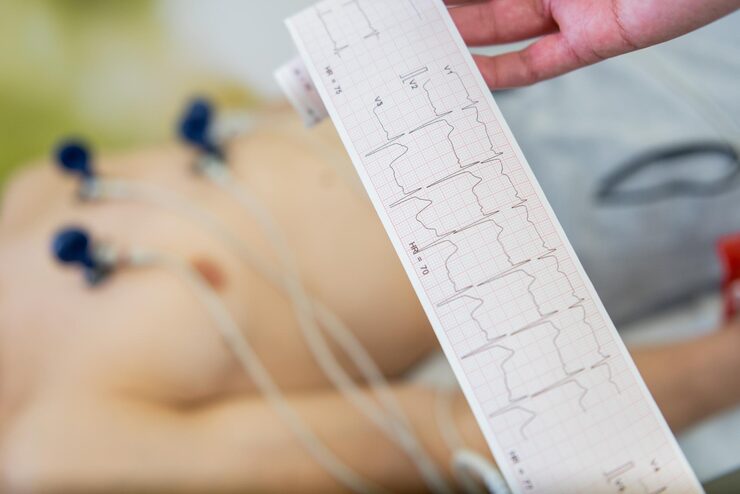
Many traditional devices require multiple cardiac monitor leads and wires, which can be uncomfortable for patients. This affects their willingness to wear the device consistently.
- Discomfort during sleep and daily activities
- Restrictions on movement and routine
- Lower compliance in long-term monitoring
Lack of Real-Time and Remote Access
Another key limitation is the delay between recording and review.
- Data is typically analyzed after completion
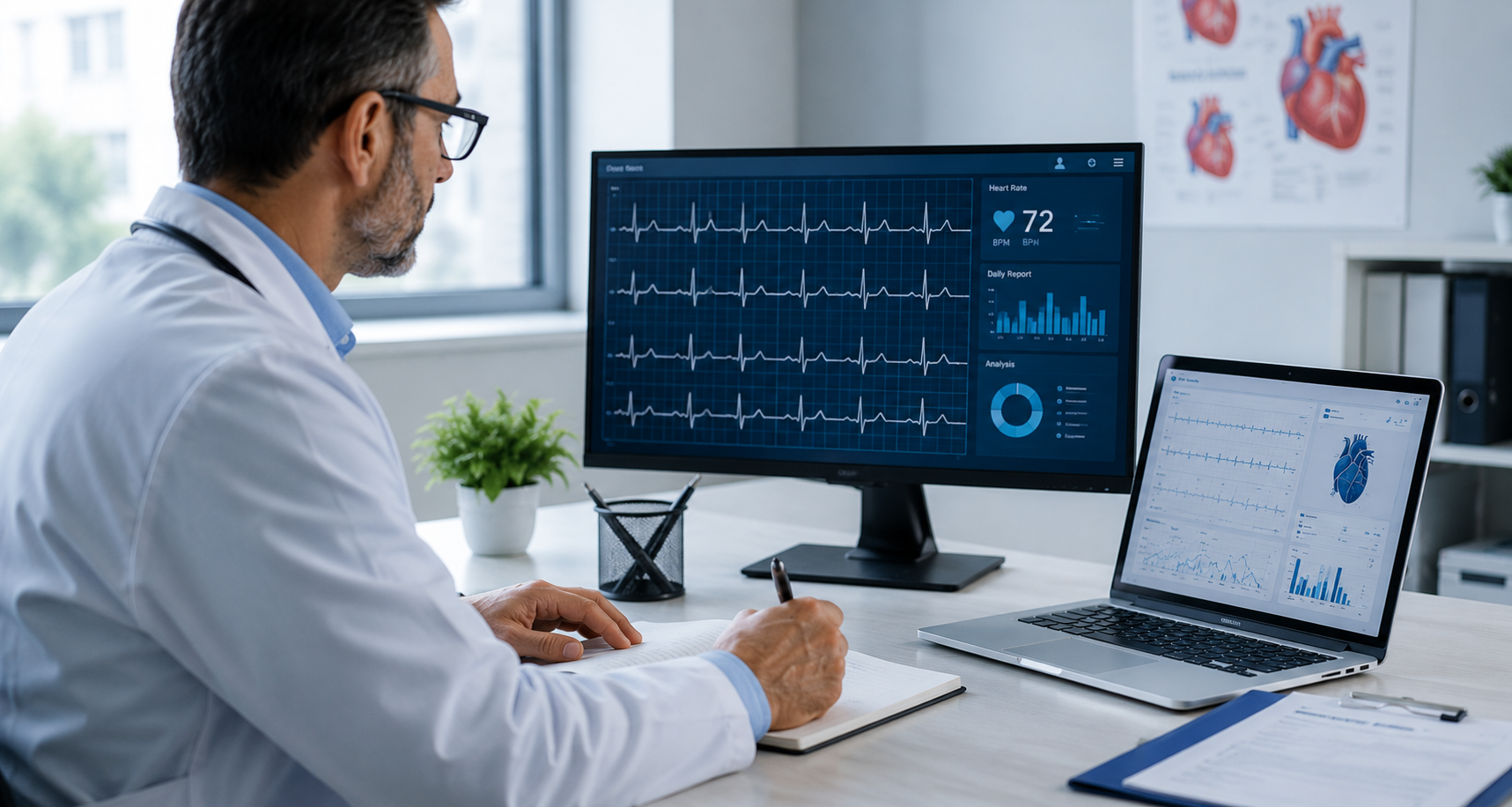
- No immediate visibility for clinicians
- Delays in identifying potentially serious conditions
Workflow and Operational Challenges
From a clinical standpoint, traditional monitoring can be resource-intensive and time-consuming.
- Device distribution and collection logistics
- Manual data transfer and analysis
- Multiple patient visits required
Impact on Diagnosis and Patient Outcomes
These limitations can directly affect how quickly and accurately a condition is diagnosed.
- Missed detection of intermittent arrhythmias
- Delayed diagnosis of atrial fibrillation
- Increased need for repeat testing
- Higher workload for clinicians
Over time, this not only affects patient outcomes but also puts additional pressure on healthcare systems.
The Shift Toward Modern Cardiac Monitoring
Modern cardiac monitoring is not just about longer duration-it's about smarter, more responsive monitoring.
There is a growing shift toward solutions that allow patients to record ECG data exactly when they feel symptoms, rather than relying only on continuous passive recording.
This approach focuses on:
- Capturing event-based ECG recordings
- Enabling instant data sharing with clinicians
- Reducing unnecessary long monitoring periods
- Improving diagnostic relevance
Moving Beyond Traditional Monitoring
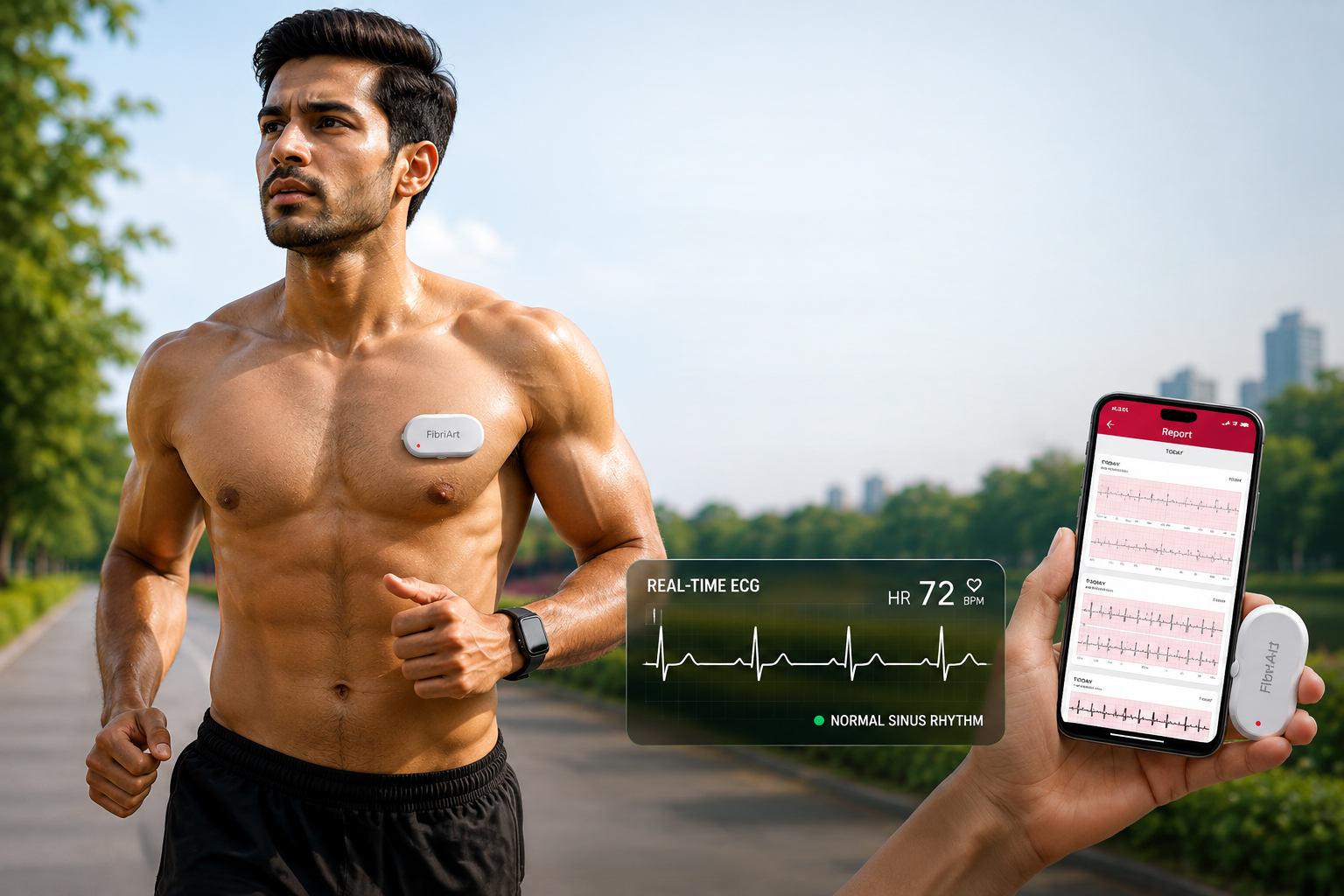
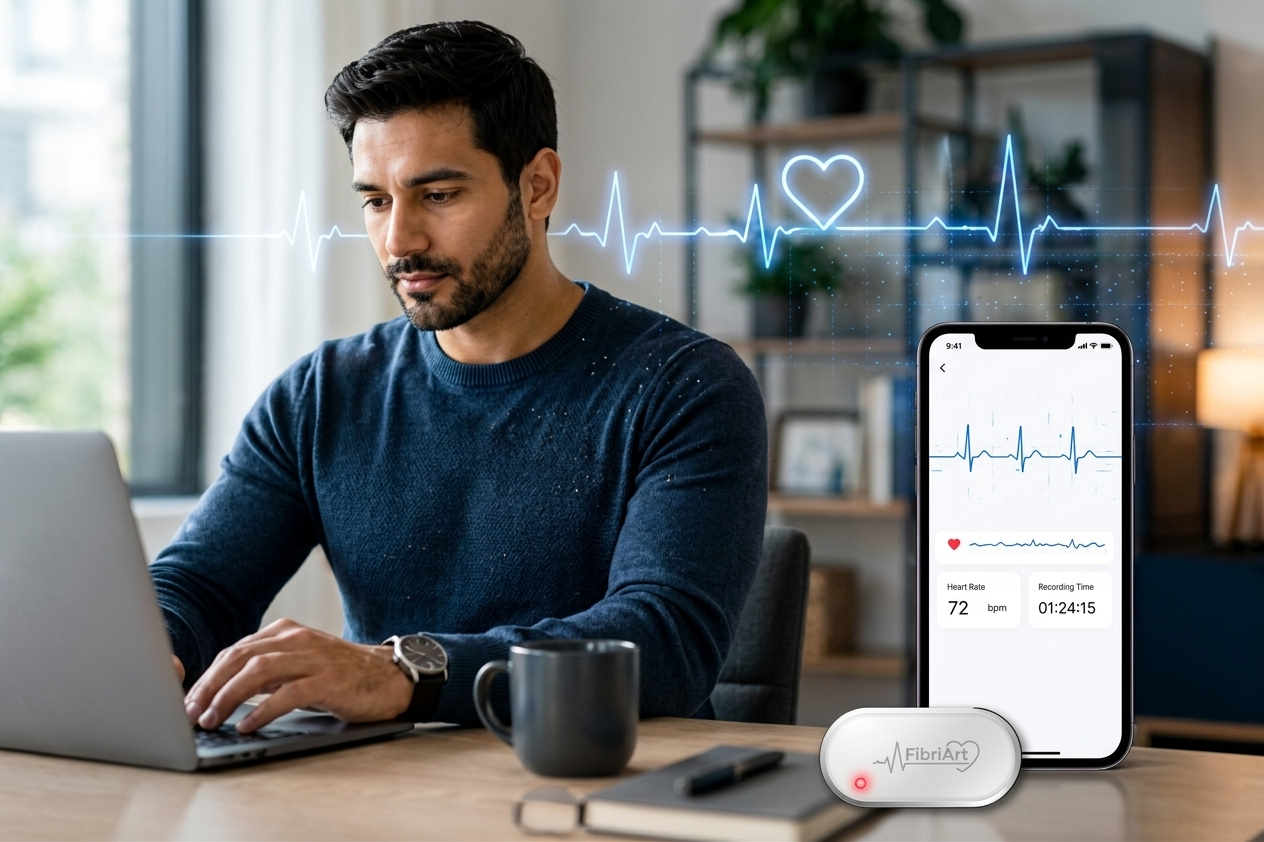
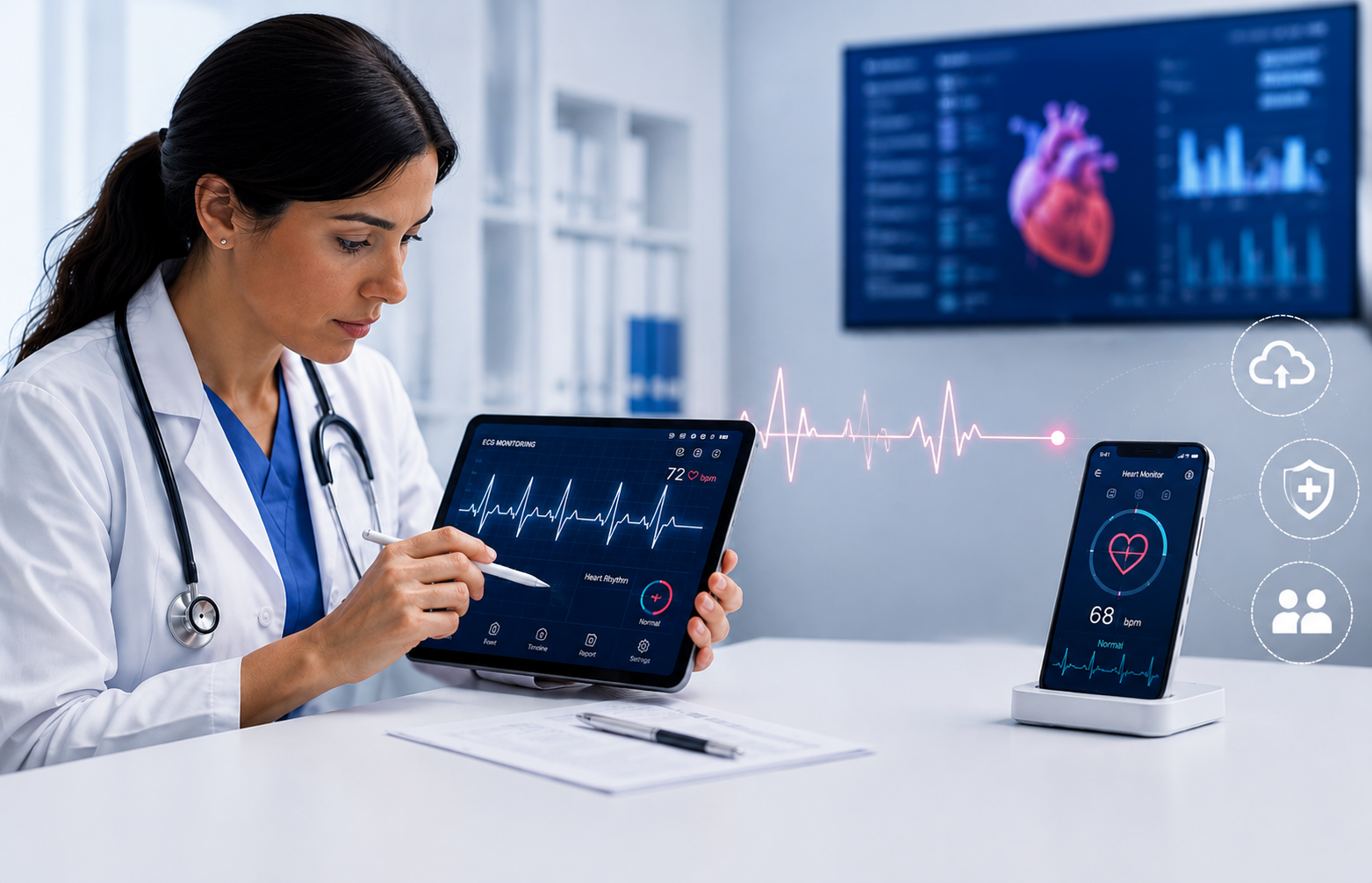
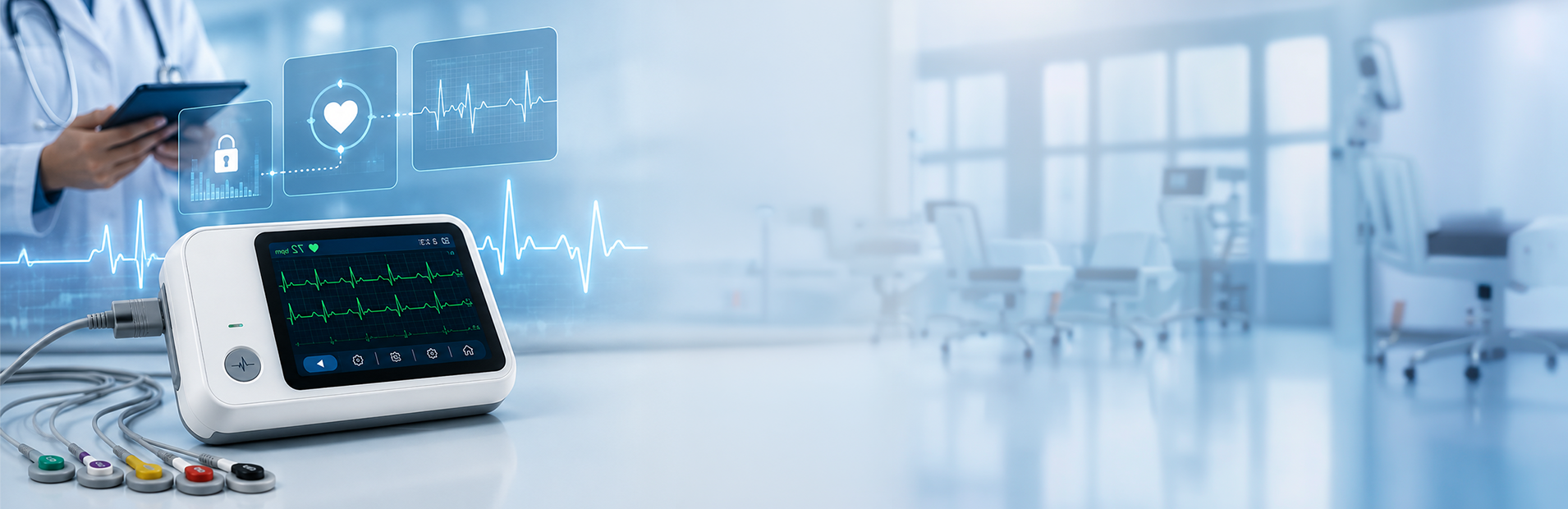
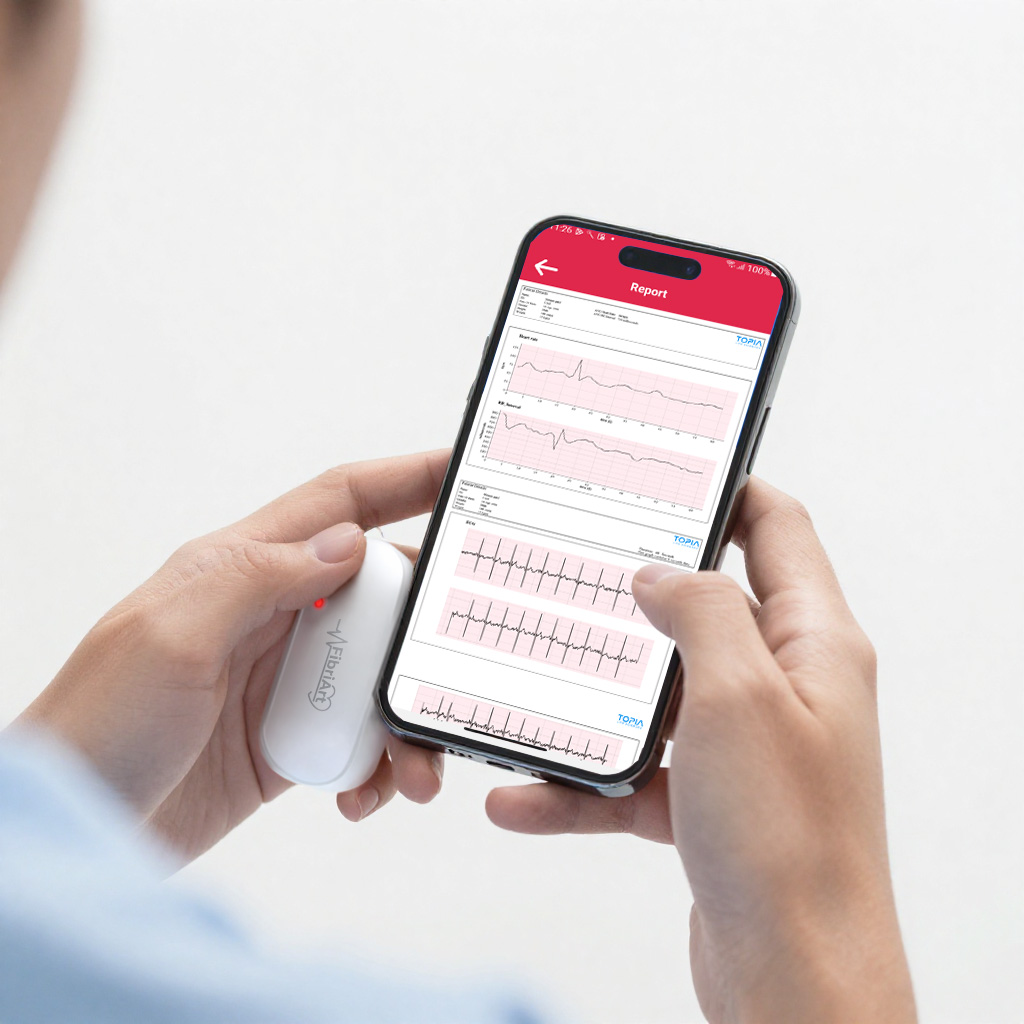
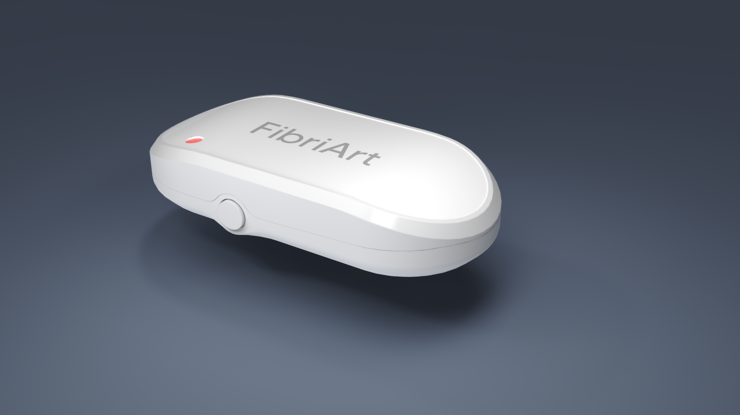
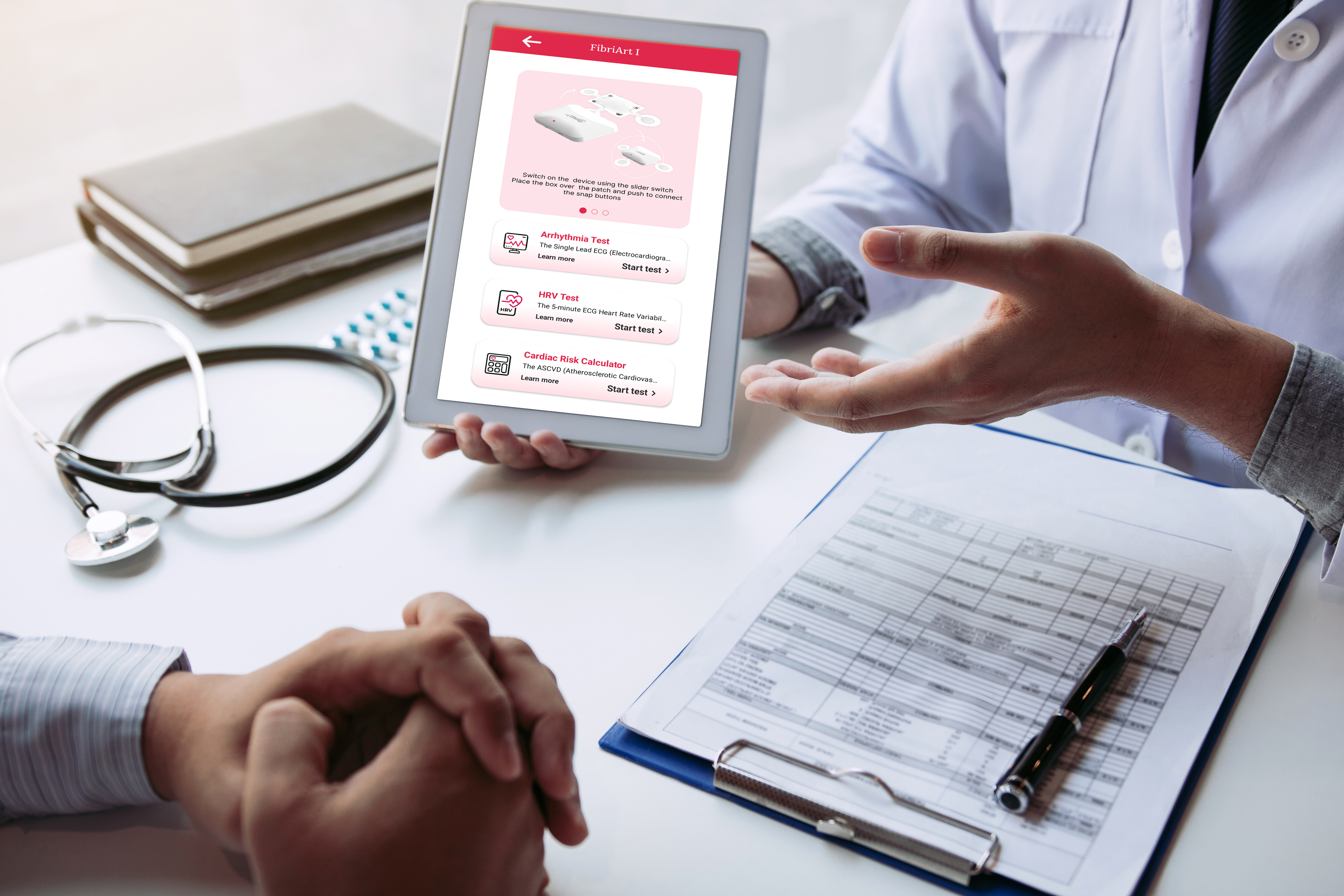
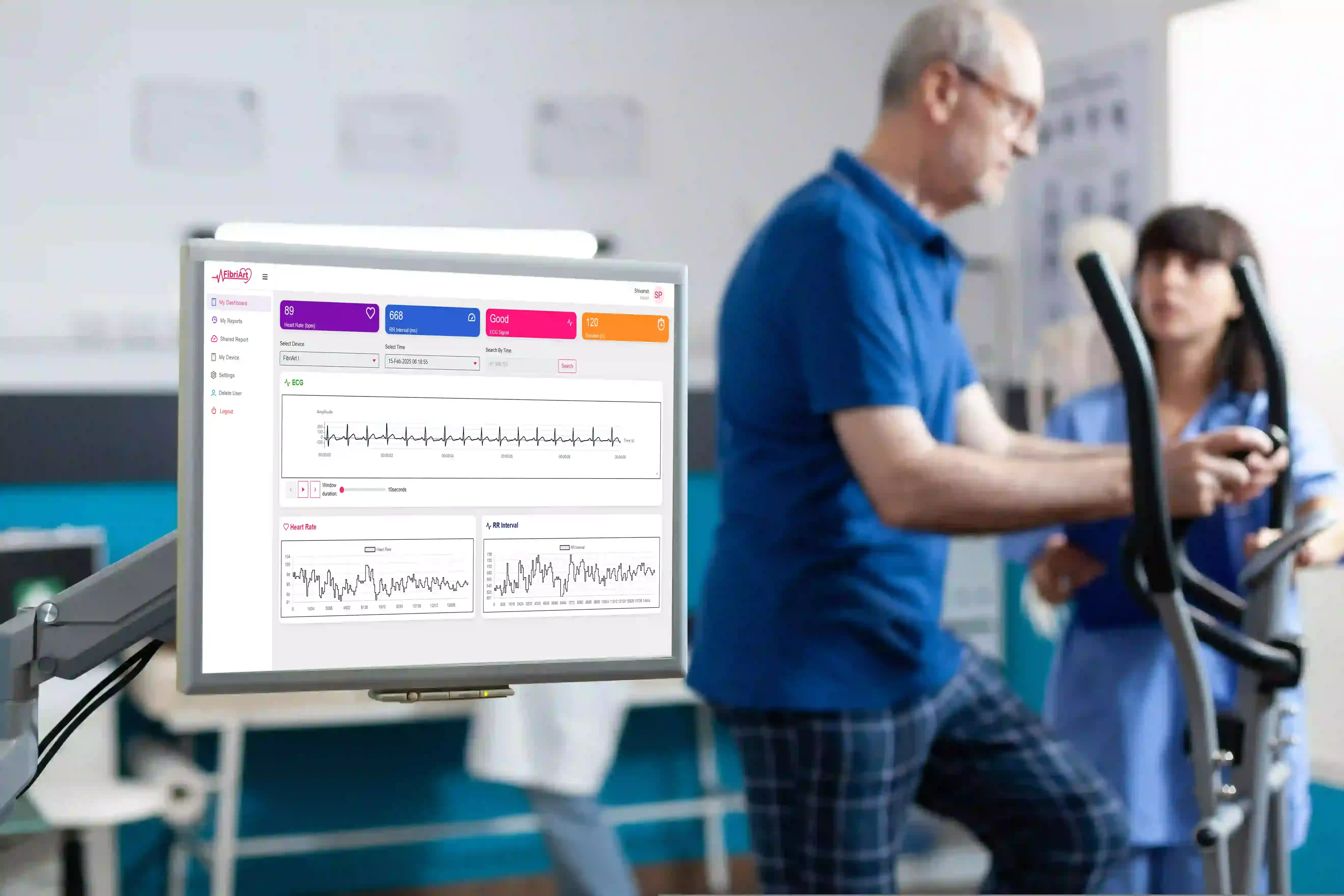
Newer cardiac monitoring devices, like Fibriart, are designed to give control back to both patients and clinicians. Instead of passively waiting for data, they allow active, real-time recording when it matters most.
This is where modern short-term monitoring becomes highly effective.
- Patients can record ECG at the moment symptoms occur
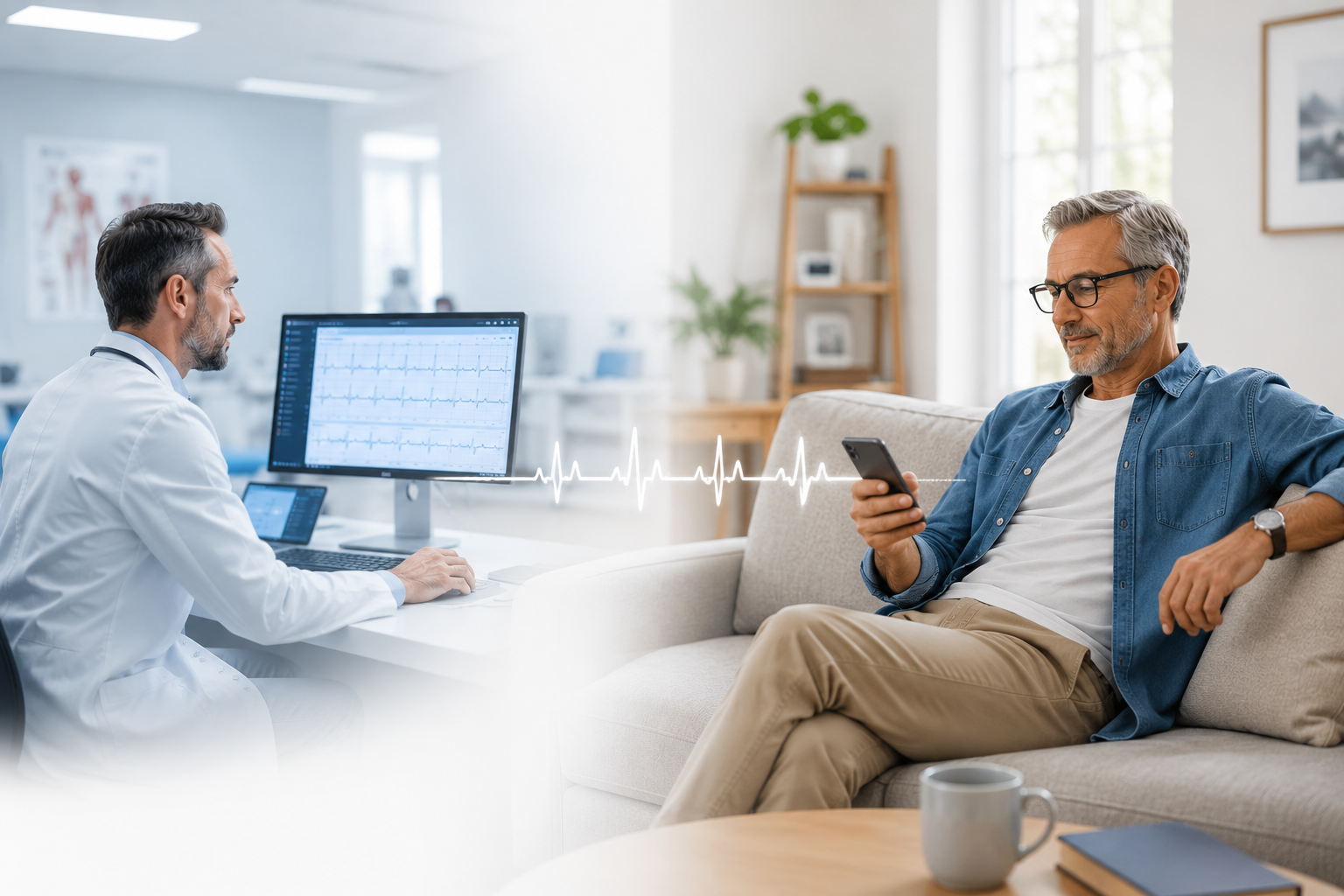
- Data can be instantly shared with doctors for review
- Enables quicker clinical decisions
- Reduces dependency on prolonged, uncomfortable monitoring
In many cases, capturing the right 30 seconds at the right time is more valuable than recording 48 hours of normal data.
For healthcare providers exploring modern cardiac monitoring devices and wearable ECG monitoring solutions, this shift is helping improve both efficiency and patient experience.
Conclusion
Traditional cardiac monitoring devices are valuable, but their limitations often come from how and when data is captured-not just how long.
Modern approaches are redefining short-term monitoring by making it event-driven, instant, and clinically actionable.
By enabling patients to record and share ECG data the moment symptoms occur, these solutions help clinicians make faster, more accurate decisions-ultimately improving patient outcomes without the need for prolonged monitoring in every case.
Frequently Asked Questions (FAQs)
- symptom-triggered recording
- Discomfort due to wires
- May miss intermittent symptoms
- Because arrhythmias often occur unpredictably and may not appear during the monitoring window.
- Holter monitor: continuous short-term recording
- Cardiac loop monitor: long-term, event-based monitoring
- Enables data access without clinic visits
- Supports faster clinical decisions
- Improves monitoring continuity
- Captures real-world heart activity
- Detects irregular or infrequent events
- Improves diagnostic accuracy
Reference Links
Recent Posts


Limitations of Traditional Cardiac Monitoring Devices
March 25, 2026
How Fibriart-I ECG Patch Fits Into Your Clinic Workflow
March 11, 2026
Common Cardiac Rhythm Disorders and How They Often Go Undetected
February 05, 2026



The Future of Heart Health: How Wearable Heart Monitors Saving Lives
February 20, 2025