
Cardiac rhythm disorders, also known as arrhythmias or heart rhythm abnormalities, are disruptions in the normal electrical impulses that coordinate the heartbeat. These conditions range in severity from harmless palpitations to life-threatening abnormalities that increase the risk of stroke, heart failure, and sudden cardiac arrest. Despite their clinical importance, many cardiac rhythm disorders go undetected due to intermittent symptoms, silent presentation, and limitations in traditional diagnostic testing.
This article explains common cardiac rhythm disorders in clear, accessible language, highlighting why many are not diagnosed until complications arise. It also examines the role of advanced ECG monitoring and emerging wearable technologies, such as wearable ECG monitoring and continuous heart rhythm monitoring, in improving detection and clinical outcomes.
What Are Cardiac Rhythm Disorders?
The heart's pumping action is driven by Heart electrical signals that originate in the sinoatrial (SA) node and travel through coordinated pathways to the ventricles. When this electrical system is disrupted, the heartbeat may be too fast, too slow, irregular, or sporadic. These irregularities are termed cardiac rhythm disorders
Arrhythmias can manifest in different forms, depending on where the disruption occurs and how it affects the heart?s pacing and conduction. Some arrhythmias are brief and benign, while others may persist and require treatment.
Common Types of Cardiac Rhythm Disorders
Atrial Fibrillation (AFib)
Atrial fibrillation is the most common sustained arrhythmia encountered in clinical practice. It causes the atria (upper chambers of the heart) to quiver rather than contract normally, resulting in an irregular and often rapid pulse.
AFib increases the risk of stroke by promoting blood stasis and clot formation in the atria. Because episodes can be brief and asymptomatic, many individuals with AFib remain undiagnosed until they experience a stroke or other complication.
Bradycardia
Bradycardia refers to a heart rate that is slower than normal (generally <60 beats per minute in adults). Some people-especially trained athletes-may naturally have slower heart rates without symptoms. Pathological bradycardia, however, can cause fatigue, dizziness, or fainting.
Bradycardia may arise from dysfunction of the SA node, conduction blockages, or medication effects. It often goes undetected because symptoms may be subtle and sporadic.
Tachycardia
Tachycardia refers to a faster-than-normal heart rate at rest (typically >100 beats per minute). It encompasses several specific disorders, such as supraventricular tachycardia (SVT) and ventricular tachycardia (VT). Some forms of tachycardia cause palpitations, anxiety, or chest discomfort, but others may be silent or misattributed to stress or exertion.
Premature Beats
Premature atrial contractions (PACs) and premature ventricular contractions (PVCs) are extra heartbeats originating in the atria or ventricles. While often benign, frequent premature beats can be concerning in individuals with underlying heart disease. Because these events can be infrequent, they may not appear during brief ECG recordings.
Other Arrhythmias
Other rhythm disorders include heart block (delays in electrical conduction), long QT syndrome, and ventricular fibrillation (a rapid, chaotic rhythm that can be fatal without immediate intervention). Some of these conditions are rare but carry significant risk.
Why Many Rhythm Disorders Go Undetected
Intermittent Symptoms
Many arrhythmias do not occur continuously. They may appear in short bursts-paroxysmal episodes?that do not coincide with clinic visits or brief ECG recordings. A standard 12-lead ECG captured in a clinic provides only a snapshot of the heart rhythm.
Asymptomatic Cases
A substantial proportion of individuals with rhythm disorders have no noticeable symptoms. For example, many patients with atrial fibrillation have silent episodes that go unnoticed until a serious complication?such as stroke?is discovered.
Limitations of Short-Term ECG Testing
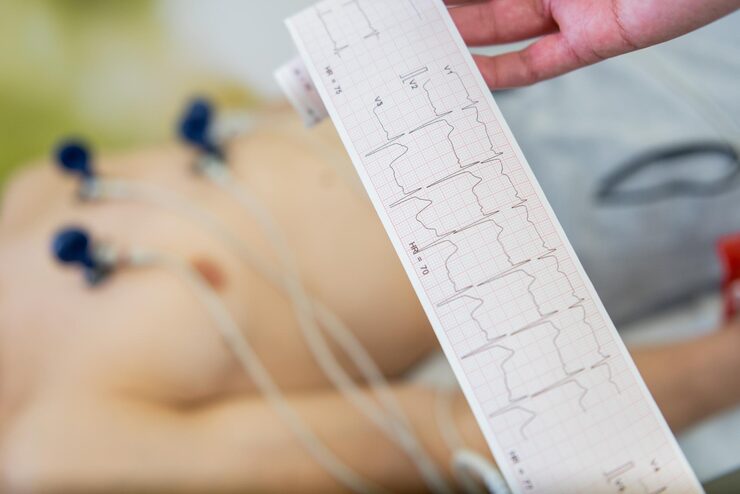
Traditional ECG testing, such as in-office 12-lead ECG or 24-hour Holter monitoring-may miss infrequent or transient arrhythmias. The Holter monitor, while useful, typically records for only 24 to 48 hours and may not capture sporadic events.
Because of these limitations, intermittent arrhythmias often require longer-term or continuous monitoring to be detected reliably.
The Role of ECG and Continuous Monitoring
Importance of Long-Term Rhythm Monitoring
Continuous heart rhythm monitoring increases the likelihood of documenting rhythm abnormalities that occur unpredictably. Ambulatory ECG monitoring allows extended recording of cardiac electrical activity while patients go about their daily lives.
Extended monitoring has been shown to significantly improve diagnostic yield for intermittent arrhythmias compared with short-term tests. This is particularly valuable for patients with palpitations, syncope, or cryptogenic stroke where a rhythm cause is suspected.
How Wearable ECG Technology Helps
Recent advances in wearable cardiac monitoring technologies are transforming how clinicians detect and manage arrhythmias. Wearable ECG patches and wireless ambulatory ECG devices are designed to provide continuous heart rhythm monitoring over days or weeks, enabling capture of transient rhythm events that might otherwise be missed.
Wearable ECG Monitoring Devices
Modern wearable patches are comfortable, lightweight, and capable of long-duration ECG recording. They overcome many limitations of traditional monitors by:
- Allowing continuous, extended ECG capture for improved arrhythmia detection.
- Enabling wireless data transmission and seamless integration with mobile applications and cloud platforms.
- Supporting remote cardiac monitoring solutions for patients outside clinical settings.
Emerging evidence suggests that wearable cardiac monitors can achieve high sensitivity and specificity for arrhythmia detection and positively influence clinical decision-making.
Where Fibriart Solutions Fit
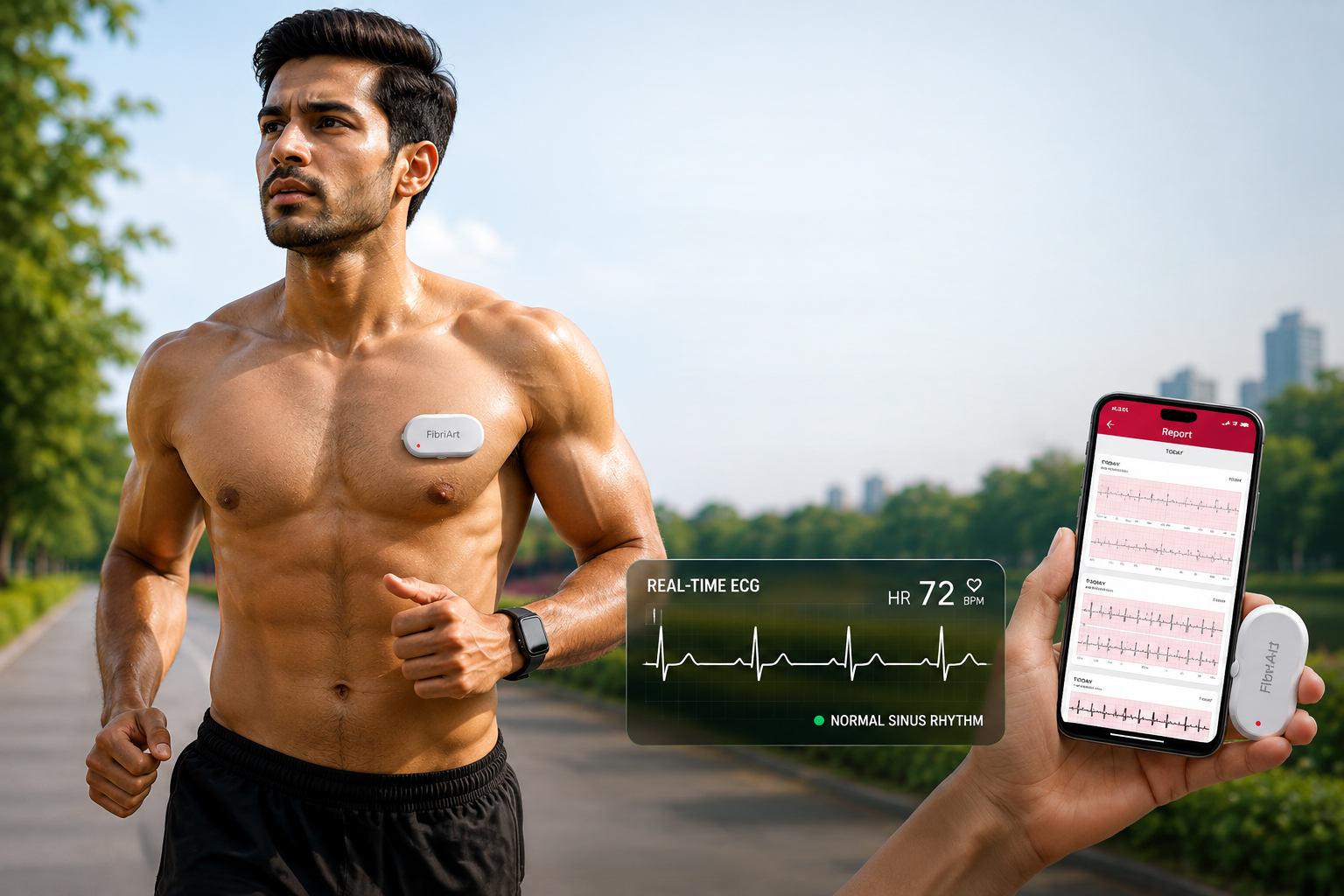
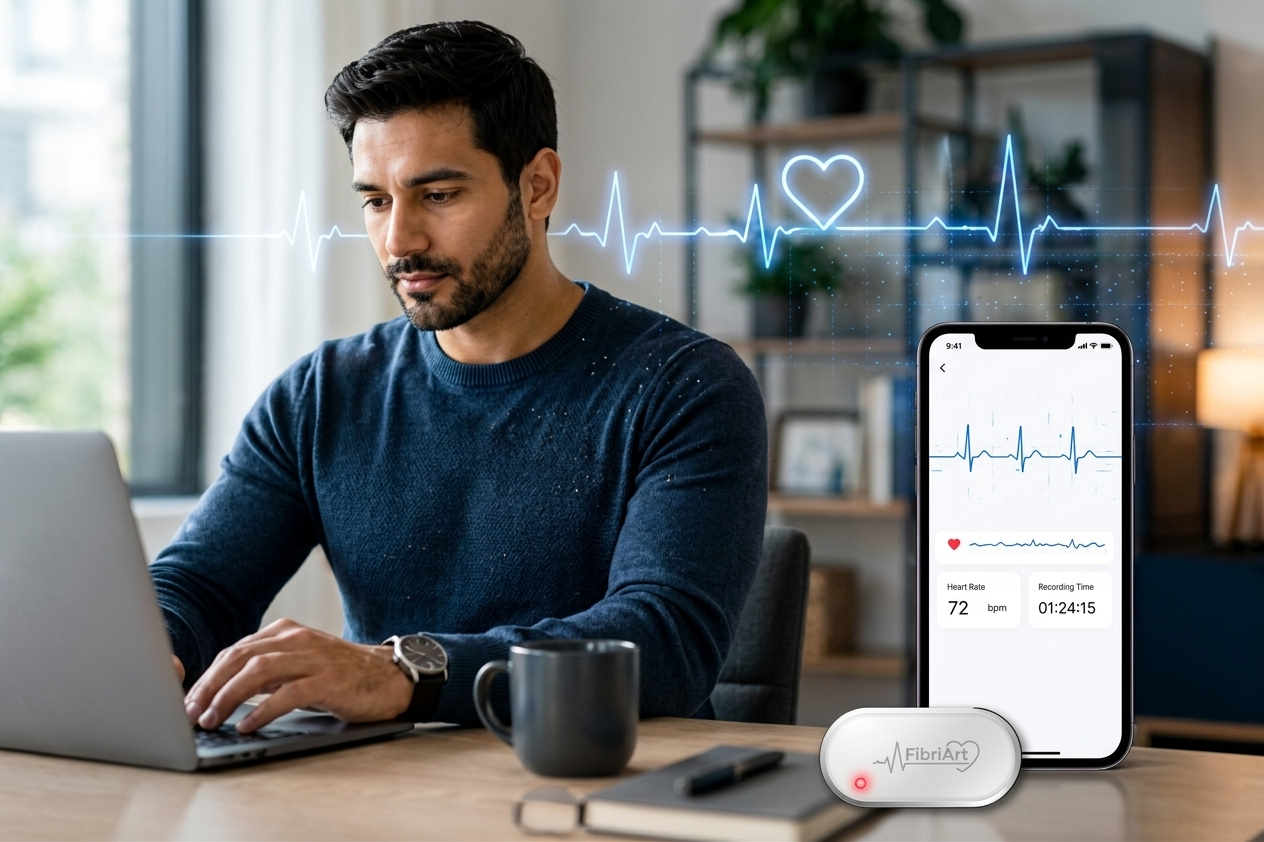
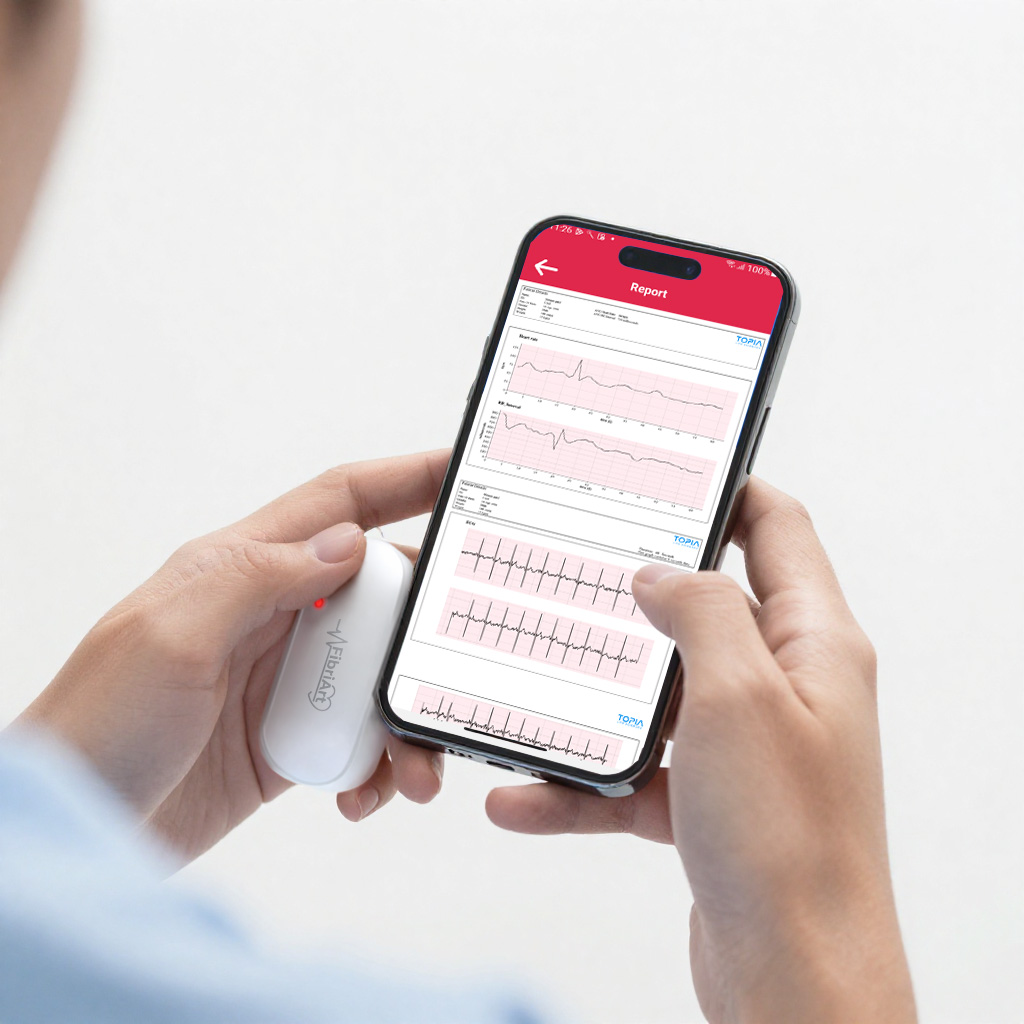
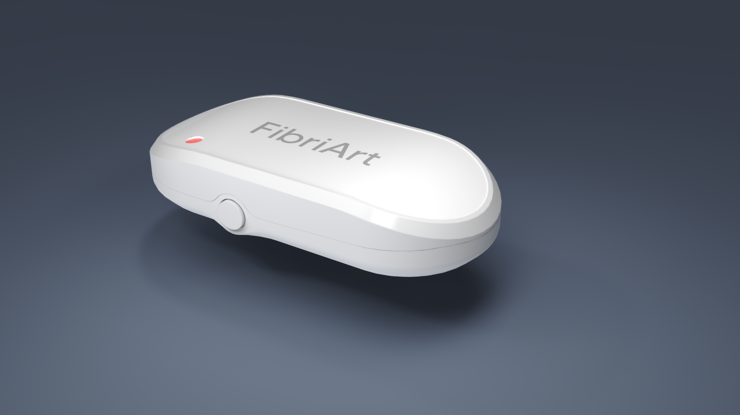
The FibriArt ECG patch represents a clinically relevant option within wearable ECG monitoring technology. Designed to record medical-grade single-lead ECG signals and provide insights into heart rhythm, the patch supports extended monitoring up to 28 days depending on the model, offering a valuable tool for capturing intermittent arrhythmias that may elude short-term testing.
Different FibriArt models cater to a range of monitoring durations?from instantaneous recordings to long-term continuous ECG monitoring?enabling clinicians to tailor monitoring strategies to individual patient needs. Its lightweight, water-resistant design also supports remote cardiac monitoring solutions outside traditional clinical environments.
Conclusion
Cardiac rhythm disorders are common but frequently undetected due to intermittent presentation and limitations in traditional monitoring. Early and accurate identification of arrhythmias such as atrial fibrillation, bradycardia, and tachycardia is critical for preventing complications and optimizing care.
Advances in wearable ECG monitoring-particularly through ECG patches for arrhythmia detection and continuous heart rhythm monitoring?are expanding diagnostic possibilities, enabling clinicians to capture elusive arrhythmias and deliver timely interventions. Incorporating appropriate monitoring strategies into clinical practice improves detection rates and supports proactive heart health management.
Frequently Asked Questions (FAQs)
Atrial fibrillation is an irregular and often rapid heart rhythm originating in the atria. It increases the risk of stroke and may be asymptomatic.
Standard ECGs capture a short time period. Intermittent arrhythmias may not occur during that window. Extended ECG monitoring improves detection.
A wearable ECG monitor is a device that continuously records heart rhythm over days or weeks, helping capture transient arrhythmias outside clinical settings.
No. Many arrhythmias?especially atrial fibrillation?can be asymptomatic and only detected through monitoring.
Long-term ECG monitoring increases the likelihood of capturing sporadic arrhythmias, leading to more accurate diagnosis and better management.
References
Recent Posts






Limitations of Traditional Cardiac Monitoring Devices
March 25, 2026
How Fibriart-I ECG Patch Fits Into Your Clinic Workflow
March 11, 2026


Common Cardiac Rhythm Disorders and How They Often Go Undetected
February 05, 2026




The Future of Heart Health: How Wearable Heart Monitors Saving Lives
February 20, 2025