Cardiovascular diseases remain one of the leading causes of death globally, often because many heart-related conditions develop silently over time. In several cases, individuals may not experience noticeable symptoms until a serious cardiac event occurs. This is why early detection of heart disease plays a critical role in preventing long-term complications and improving survival rates.
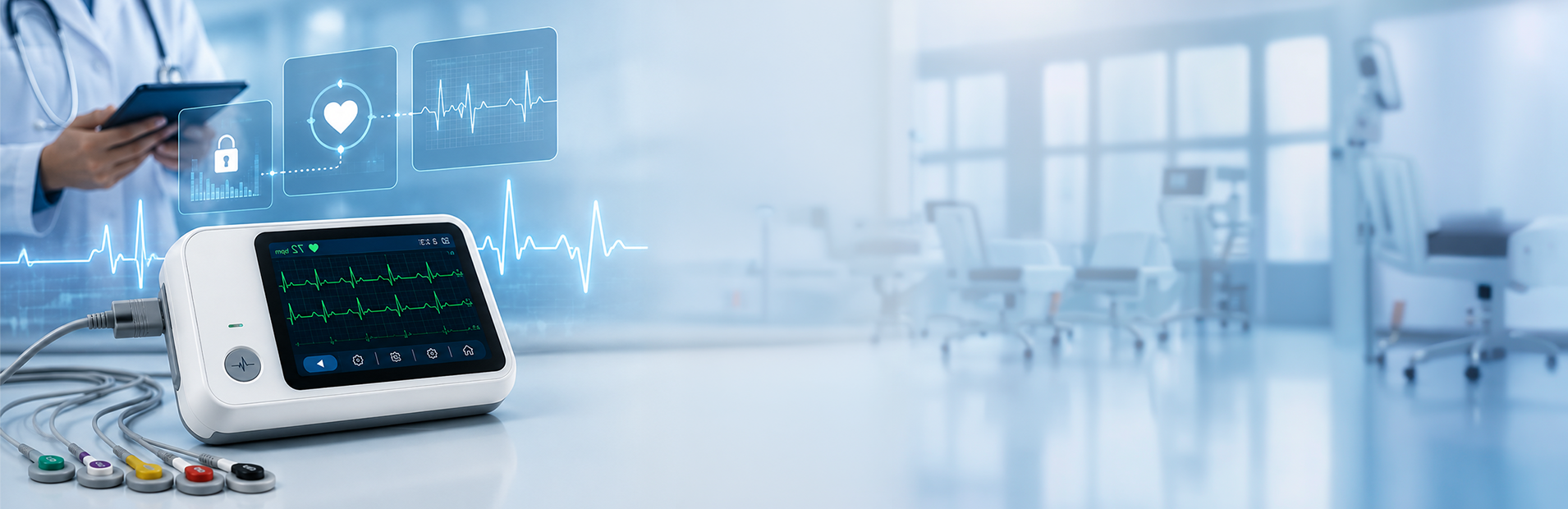
Timely identification of abnormalities such as irregular heart rhythms, elevated blood pressure, or reduced cardiac function allows healthcare providers to initiate preventive care strategies before a condition progresses. With advancements in heart monitoring devices and wearable technology, detecting potential cardiac risks has become more accessible outside traditional clinical settings.
Why Early Detection Saves Lives
Detecting cardiac conditions at an early stage significantly reduces the risk of severe complications such as stroke, heart failure, or sudden cardiac arrest. Many cardiovascular disorders respond well to treatment when diagnosed early, making proactive cardiac screening an essential part of preventive healthcare.
Early diagnosis supports:
- Prompt medical intervention
- Improved treatment planning
- Reduced risk of emergency hospitalization
- Better long-term management of chronic heart conditions
According to the World Health Organization (WHO), early identification and consistent monitoring of cardiovascular risk factors can prevent a substantial number of premature deaths related to heart disease.
Common Cardiac Conditions That Often Go Undiagnosed
Several heart-related disorders may remain undetected due to mild, irregular, or absent symptoms. Continuous observation through ECG monitoring can help identify these issues early.
- Arrhythmias
Arrhythmias refer to irregular heart rhythms that may occur intermittently and without warning. One of the most common types is atrial fibrillation (AFib), which increases the risk of stroke if not identified and treated promptly. Reliable arrhythmia detection is essential, especially when symptoms such as palpitations or dizziness occur sporadically. - Silent Heart Attacks
Some heart attacks occur without the typical chest pain associated with cardiac events. These ?silent? attacks may present subtle symptoms such as fatigue or mild discomfort, often going unnoticed until further complications develop. - Hypertension-Related Cardiac Risks
High blood pressure is frequently asymptomatic but can gradually damage blood vessels and heart muscles. Regular monitoring supports earlier recognition of hypertension-related structural changes. - Early Heart Failure Warning Signs
Shortness of breath, swelling in the legs, or unexplained fatigue may indicate the early stages of heart failure. Identifying these signs through ongoing continuous ECG monitoring can support timely clinical evaluation.
Role of Monitoring in Early Detection
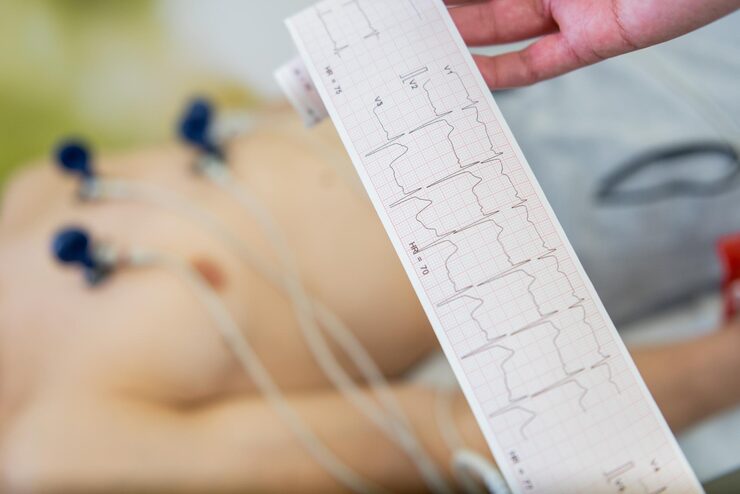
Traditional diagnostic methods such as single-time ECG tests provide valuable information, but they may not capture intermittent abnormalities that occur unpredictably.
For example:
- A routine ECG performed during a clinic visit records heart activity for only a few seconds
- Many arrhythmias occur sporadically and may not appear during short-term testing
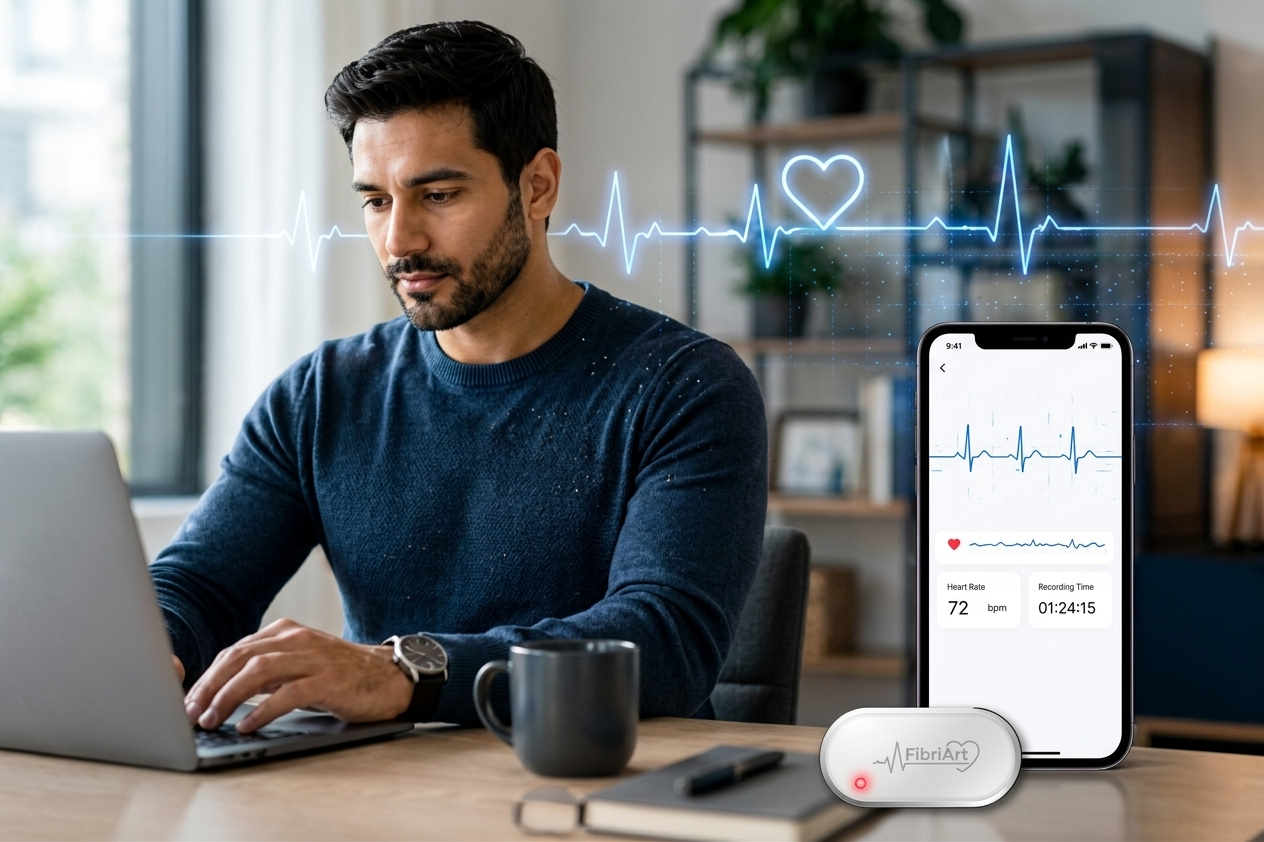
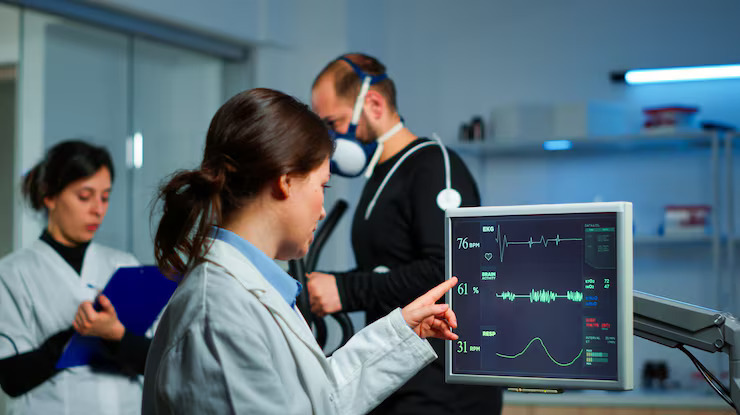
In contrast, continuous heart monitoring devices track cardiac activity over extended periods. This approach increases the likelihood of identifying irregular patterns that may otherwise remain undetected.
Long-term monitoring also supports:
- Identification of transient cardiac events
- Assessment of treatment effectiveness
- Evaluation of heart rhythm variations during daily activities
How Wearable ECG Technology Helps
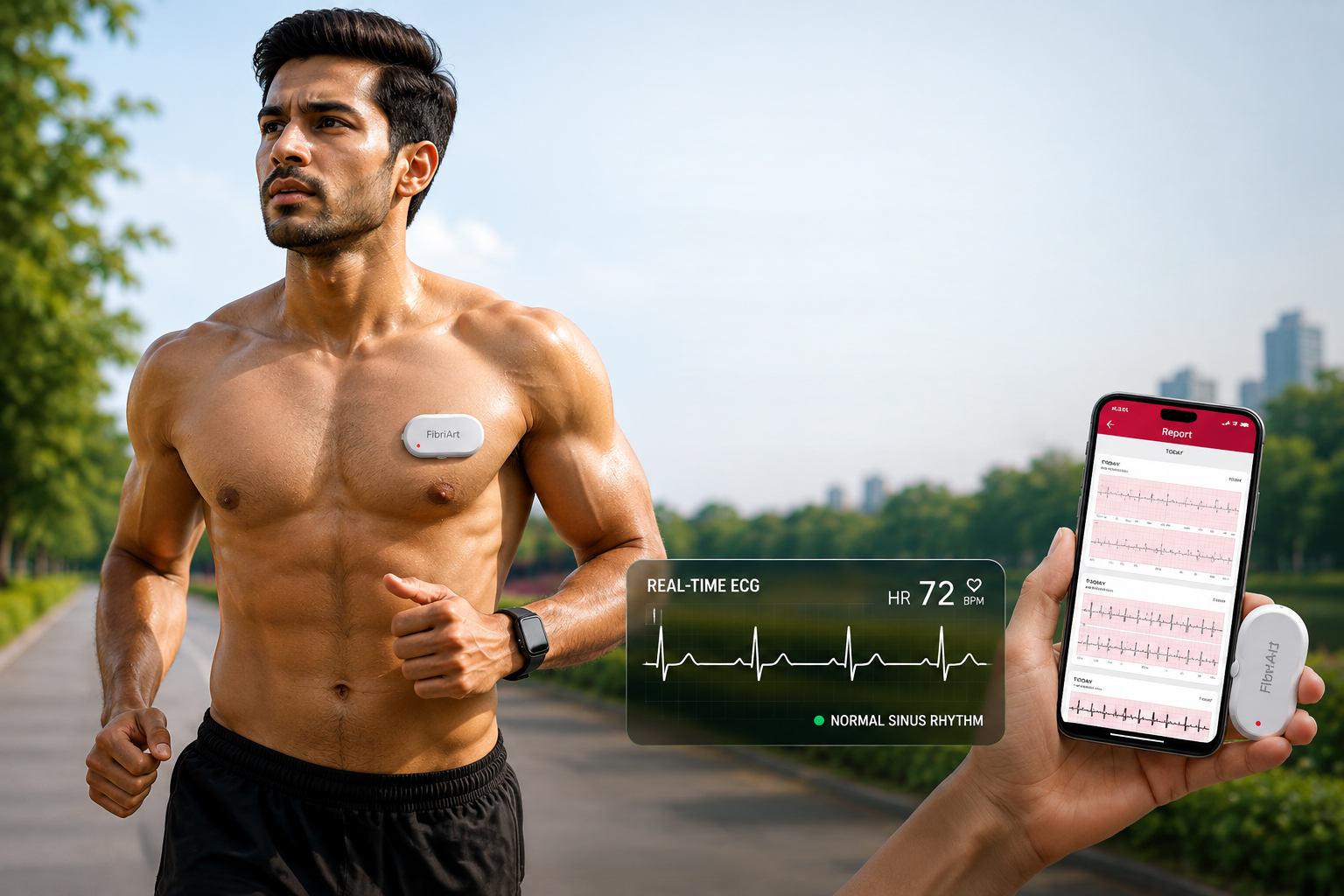
Recent developments in wearable ECG monitoring have introduced compact and user-friendly solutions for tracking heart activity outside hospital environments.
Wearable ECG patches are designed to:
- Continuously record electrical signals of the heart
- Detect irregular heart rhythms over time
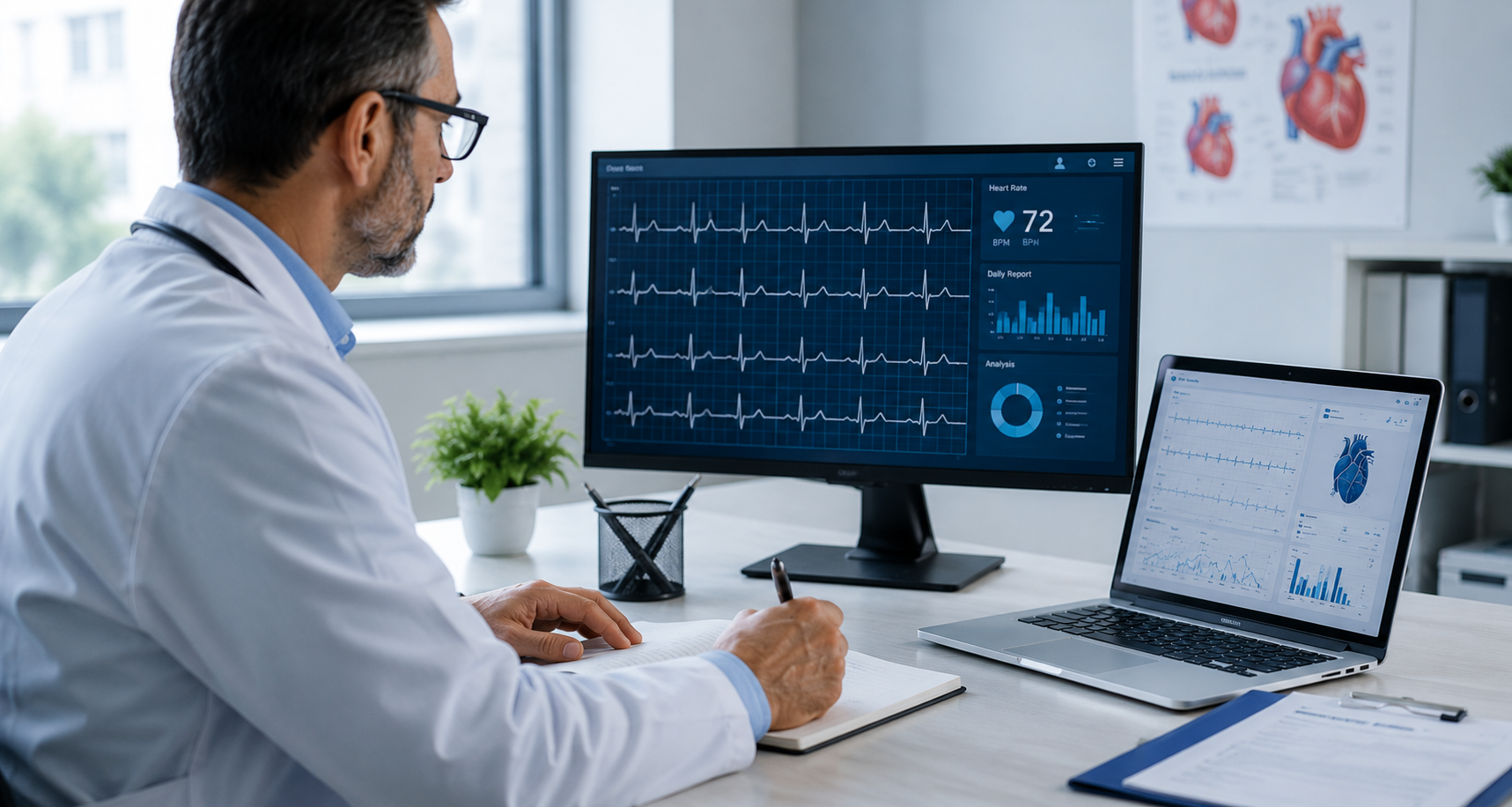
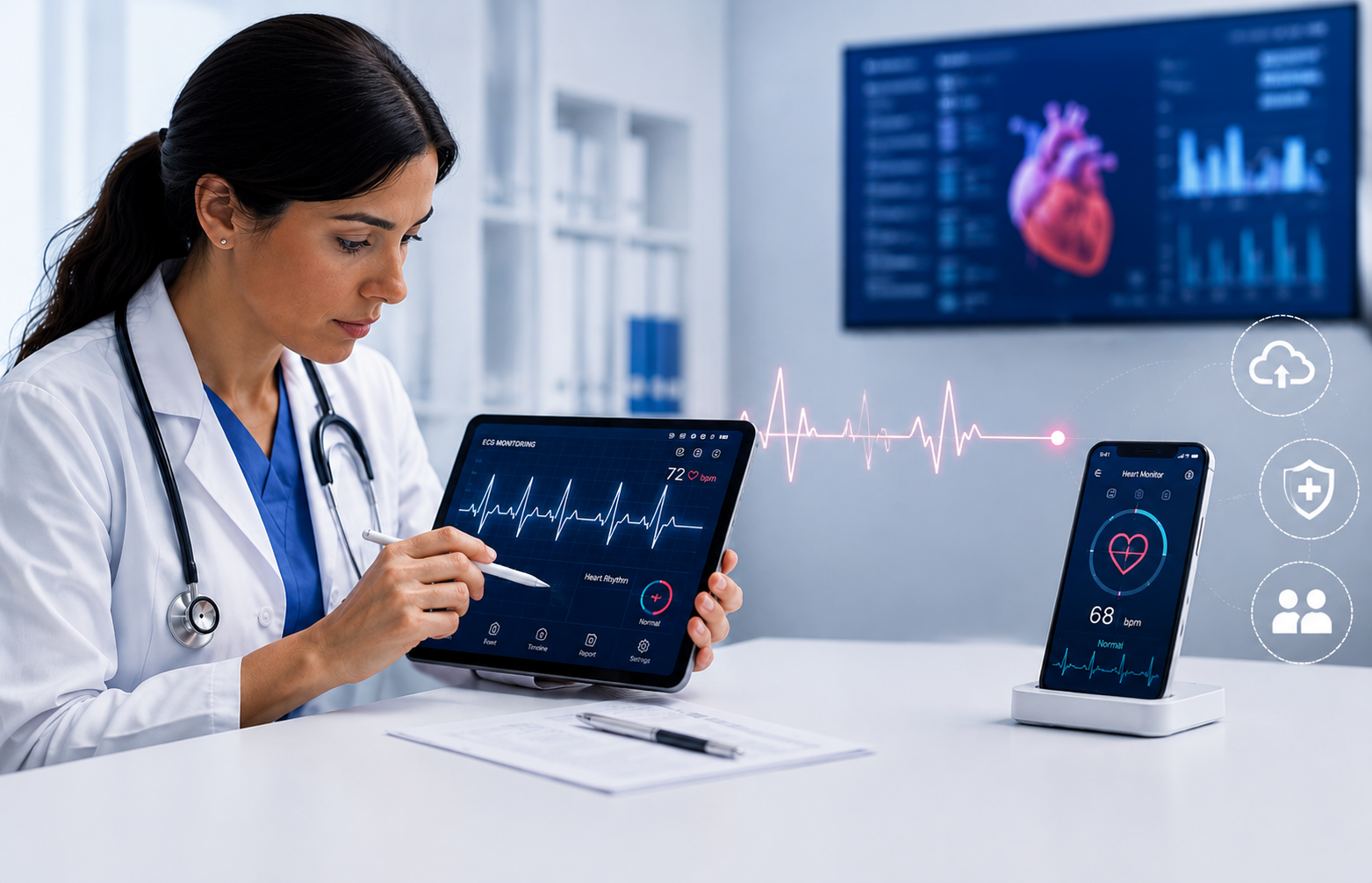
- Transmit recorded data for medical review
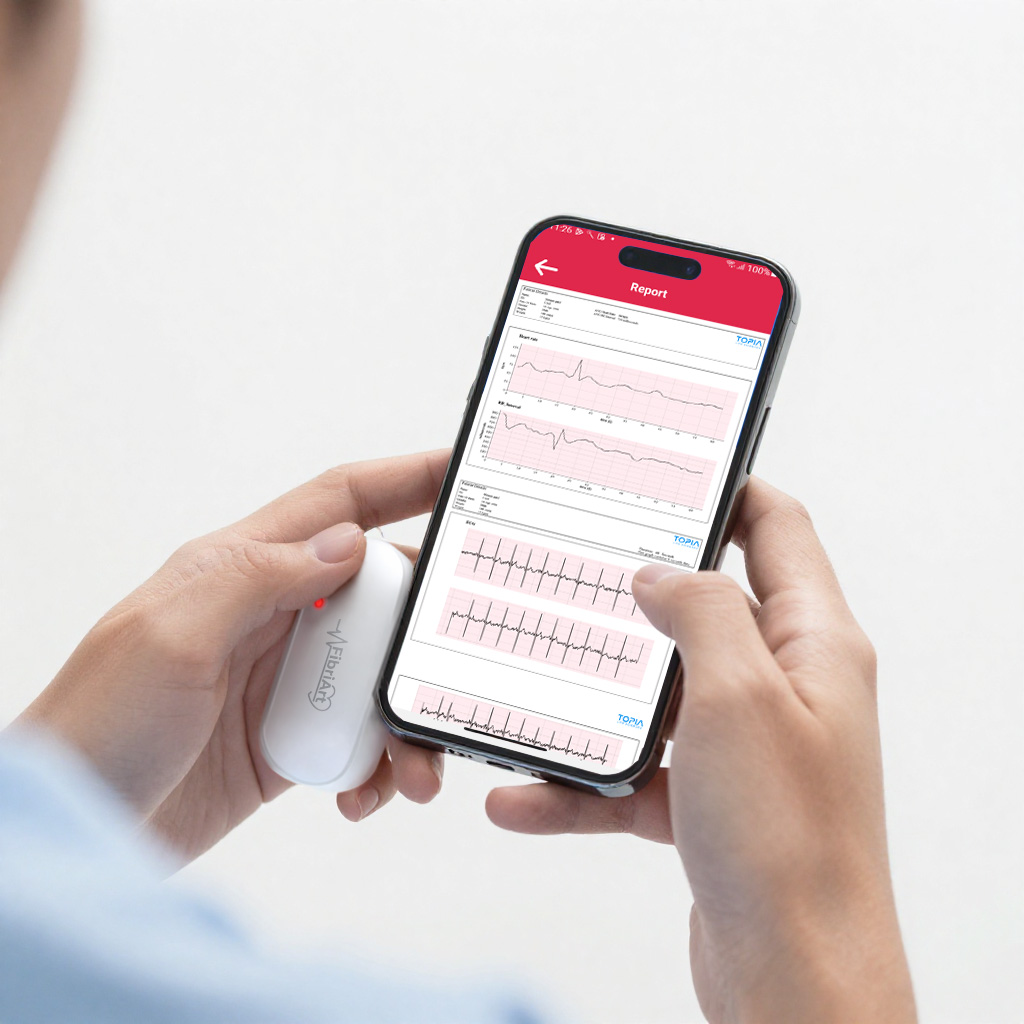
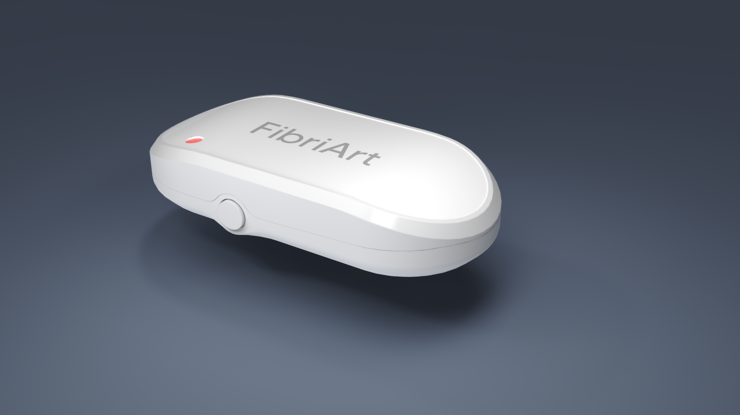
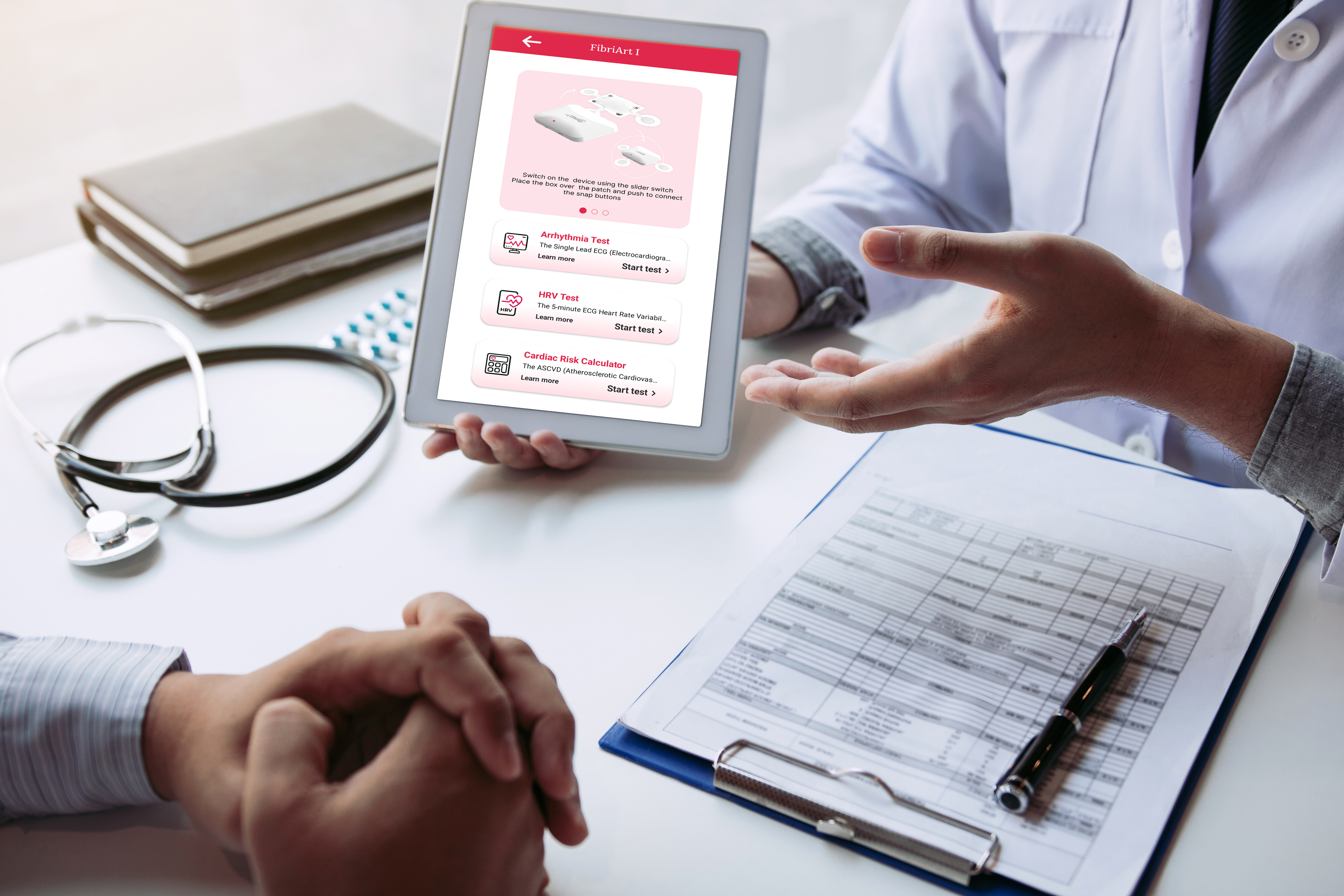
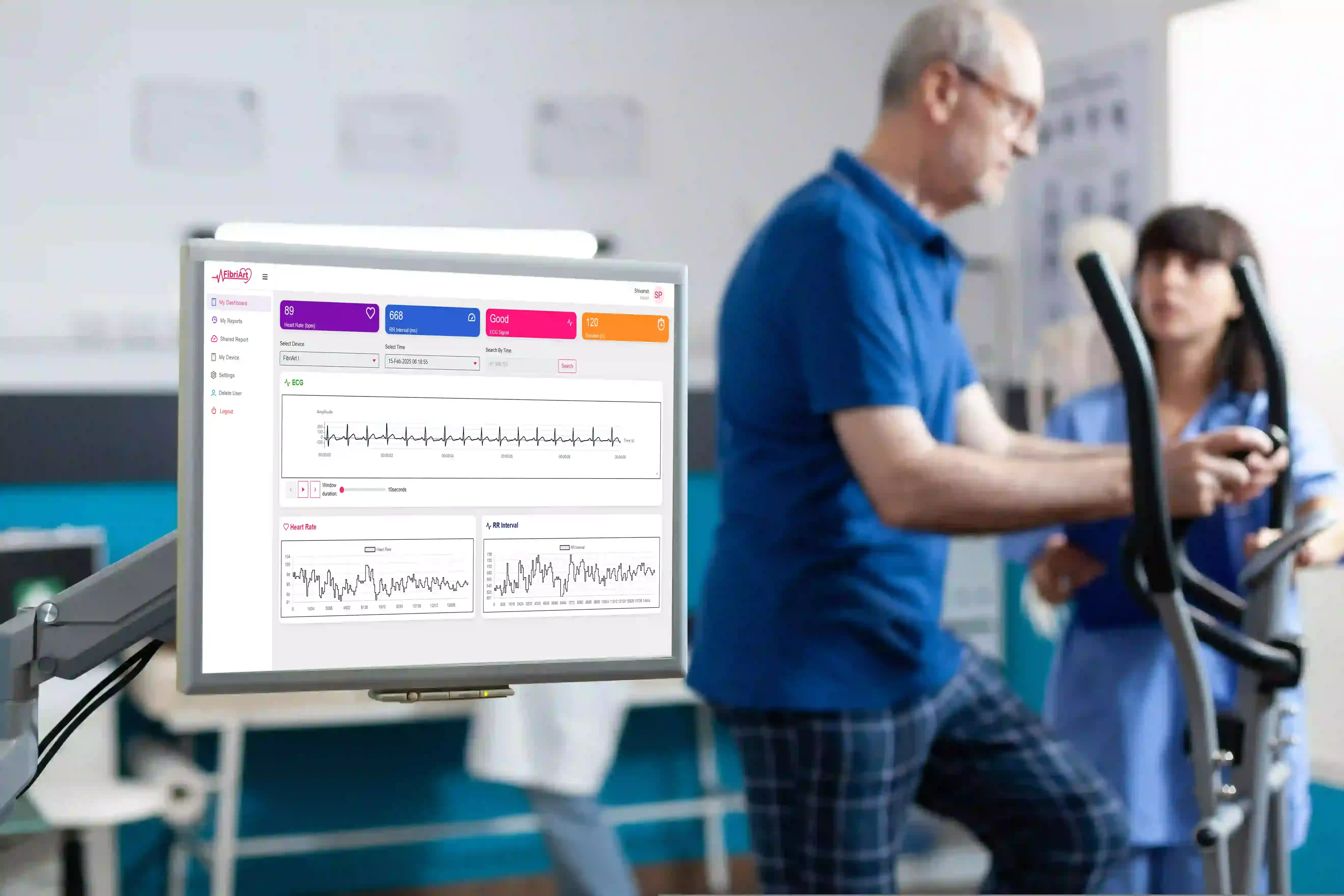
Solutions such as Fibriart's wearable ECG monitoring technology enable healthcare providers to observe cardiac patterns remotely through remote cardiac monitoring solutions. By using an ECG patch for heart rhythm tracking, clinicians can improve the chances of identifying intermittent arrhythmias that may not appear during short-term diagnostic tests.
This form of continuous ECG monitoring supports earlier detection of conditions like atrial fibrillation, allowing for timely clinical assessment.
Benefits of Continuous Monitoring for Patients and Doctors
Integrating wearable heart monitor technology into routine healthcare offers several advantages for both patients and medical professionals.
For Patients
- Non-invasive monitoring during daily activities
- Reduced need for frequent hospital visits
- Improved awareness of personal heart health
For Healthcare Providers
- Access to long-term cardiac data
- Better-informed diagnostic decisions
- Early intervention opportunities
- Improved treatment planning
Continuous monitoring can enhance the diagnostic process by providing comprehensive insights into heart rhythm variations that may otherwise remain undetected through traditional screening methods.
Conclusion
Undetected cardiac conditions can lead to serious health complications if left unmanaged. The importance of early detection of arrhythmia and other cardiovascular risks cannot be overstated, especially when symptoms may not appear consistently.
Advancements in heart monitoring devices, including wearable ECG patches, now allow individuals to monitor cardiac health over extended periods. Continuous monitoring solutions, such as those provided by Fibriart, support clinicians in identifying irregularities earlier and making timely medical decisions based on accurate data.
Incorporating continuous heart monitoring devices into preventive care strategies may help reduce the long-term burden of cardiovascular disease and support improved patient outcomes through proactive intervention.
Frequently Asked Questions (FAQs)
- Early detection allows healthcare providers to manage risk factors before serious complications develop.
- Continuous ECG monitoring records heart activity over an extended period, helping detect intermittent abnormalities.
- Wearable devices can help identify irregular heart rhythms that may not appear during routine clinical tests.
- ECG patches measure electrical signals generated by the heart to assess rhythm patterns.
- Individuals with risk factors such as hypertension, diabetes, or a family history of heart disease may benefit from regular monitoring.
References
Recent Posts




Limitations of Traditional Cardiac Monitoring Devices
March 25, 2026
How Fibriart-I ECG Patch Fits Into Your Clinic Workflow
March 11, 2026

Common Cardiac Rhythm Disorders and How They Often Go Undetected
February 05, 2026



The Future of Heart Health: How Wearable Heart Monitors Saving Lives
February 20, 2025