ECG monitoring is one of the most widely used tools in cardiac care. It is often the first step when evaluating patients with symptoms such as palpitations, chest discomfort, or irregular heartbeat.
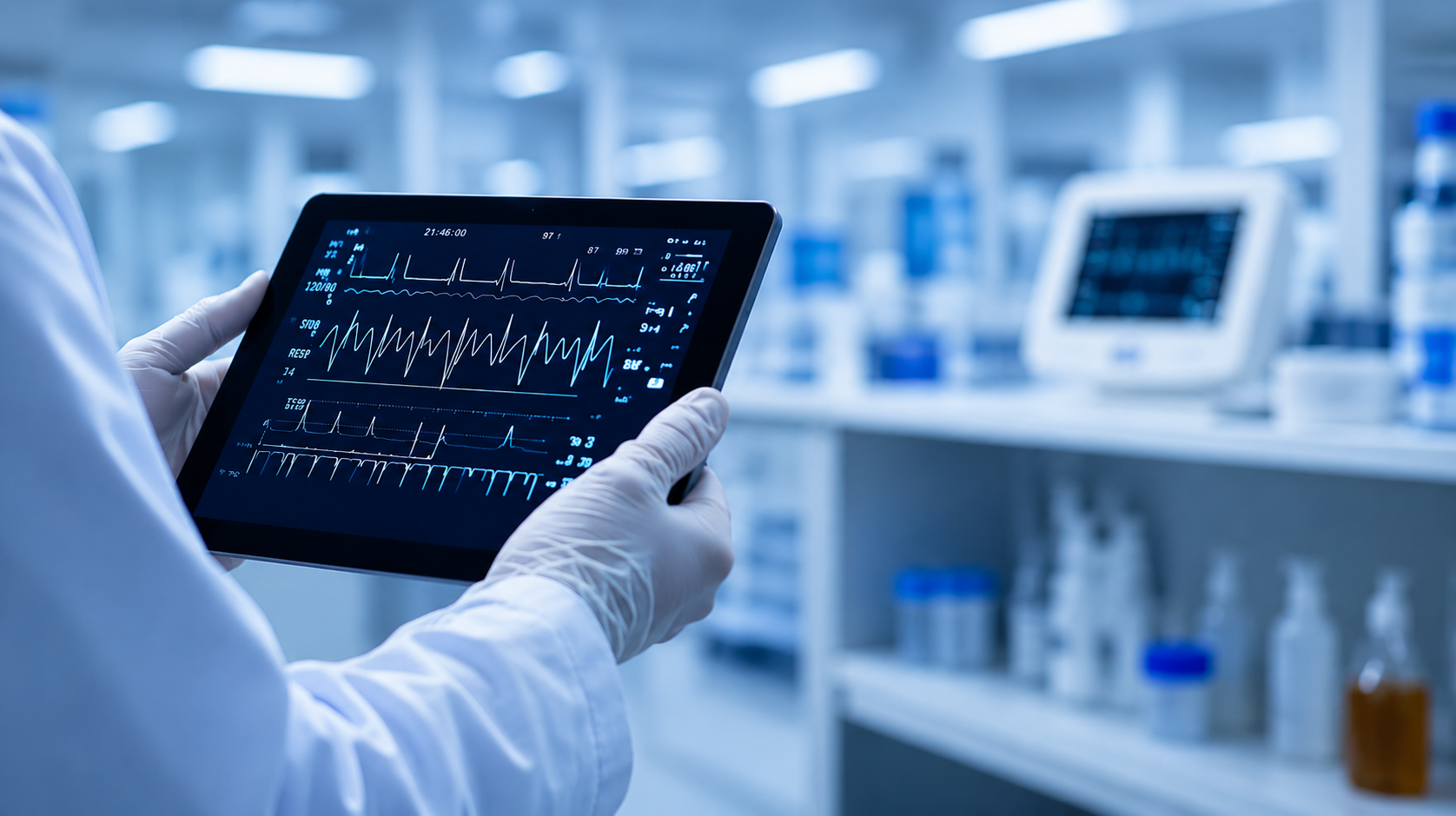
What appears as a simple waveform on a screen is actually the result of multiple steps-from capturing electrical signals to processing, storing, and interpreting them in a clinical context.
Understanding how this process works helps connect raw data to meaningful clinical decisions.
What Is ECG Monitoring?
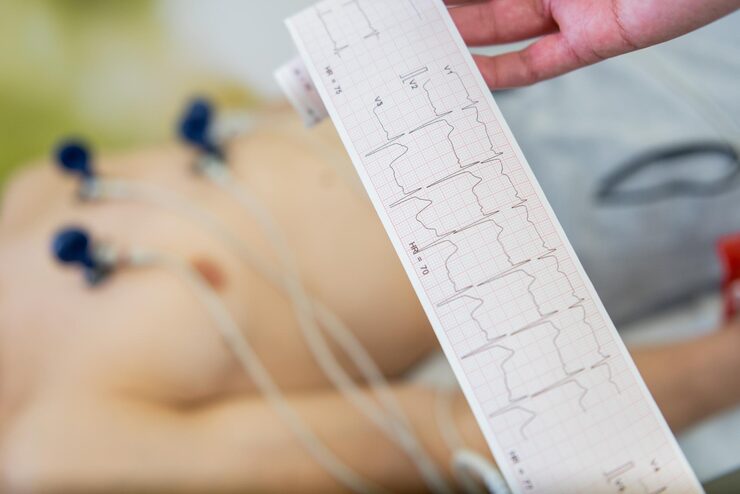
An electrocardiogram (ECG) records the electrical activity of the heart. Each heartbeat generates electrical impulses that can be detected on the skin using electrodes.
These signals form recognizable patterns:
- The P wave reflects atrial activity
- The QRS complex represents ventricular contraction
- The T wave indicates ventricular recovery
While a single ECG provides a snapshot, continuous or ambulatory monitoring allows heart activity to be tracked over time - especially useful when symptoms are not constant.
Step 1: Signal Acquisition
The process begins with capturing electrical signals from the heart.
Electrodes are placed on the skin to detect these signals. Since the electrical activity is very low in amplitude, proper placement and skin contact are essential for accuracy.
Monitoring systems may use different lead configurations depending on the clinical need. Regardless of the setup, signal quality at this stage is critical.
Factors such as movement, poor electrode contact, or external interference can introduce noise into the recording.
Step 2: Signal Processing
Once captured, the signal must be processed before it can be used.
The raw ECG signal is first amplified, as it is too small to be interpreted directly. It then passes through filters to remove noise caused by motion or electrical interference.
After filtering, the signal is converted into digital format. This allows it to be stored, transmitted, and analyzed using software.
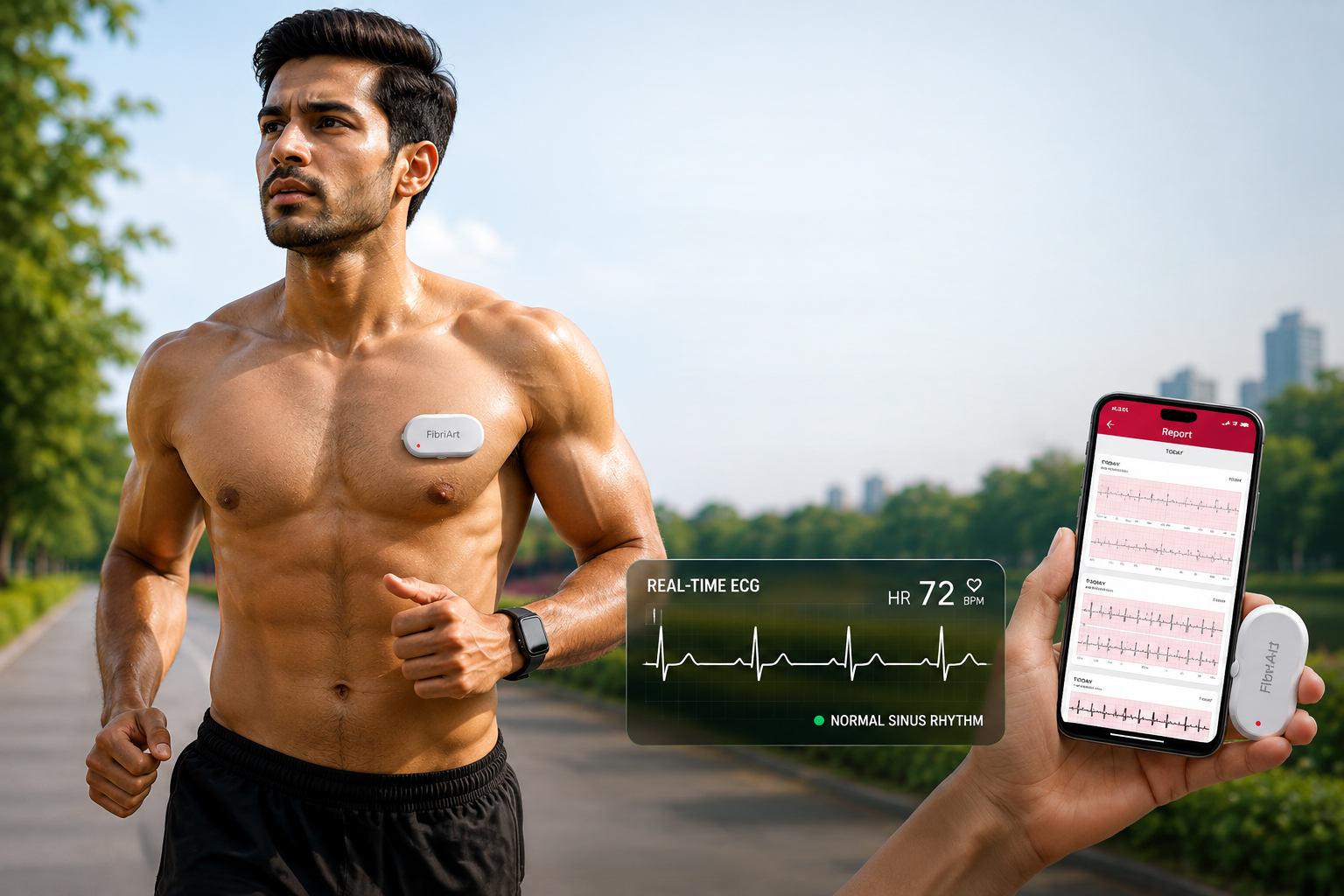
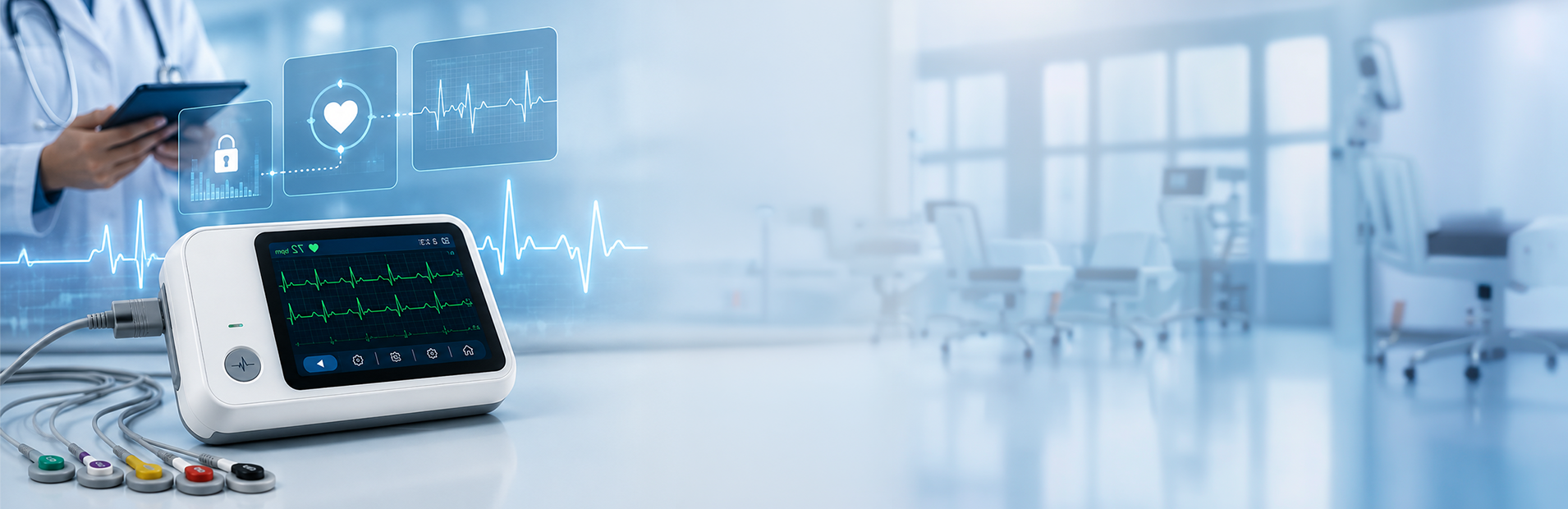
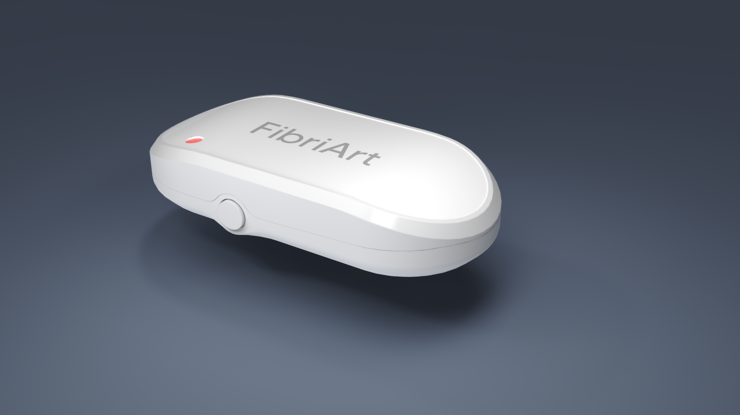
Modern ECG systems, including wearable solutions like the Fibriart ECG patch, perform these steps in real time, ensuring that the recorded data is usable for clinical review.
Step 3: Data Recording and Storage
After processing, the ECG data is recorded and stored for later use.
Depending on the system, data may be stored:
- On the device itself
- Within a connected mobile application
- On a secure cloud platform
Some systems support continuous monitoring, while others allow recordings to be triggered when symptoms occur.
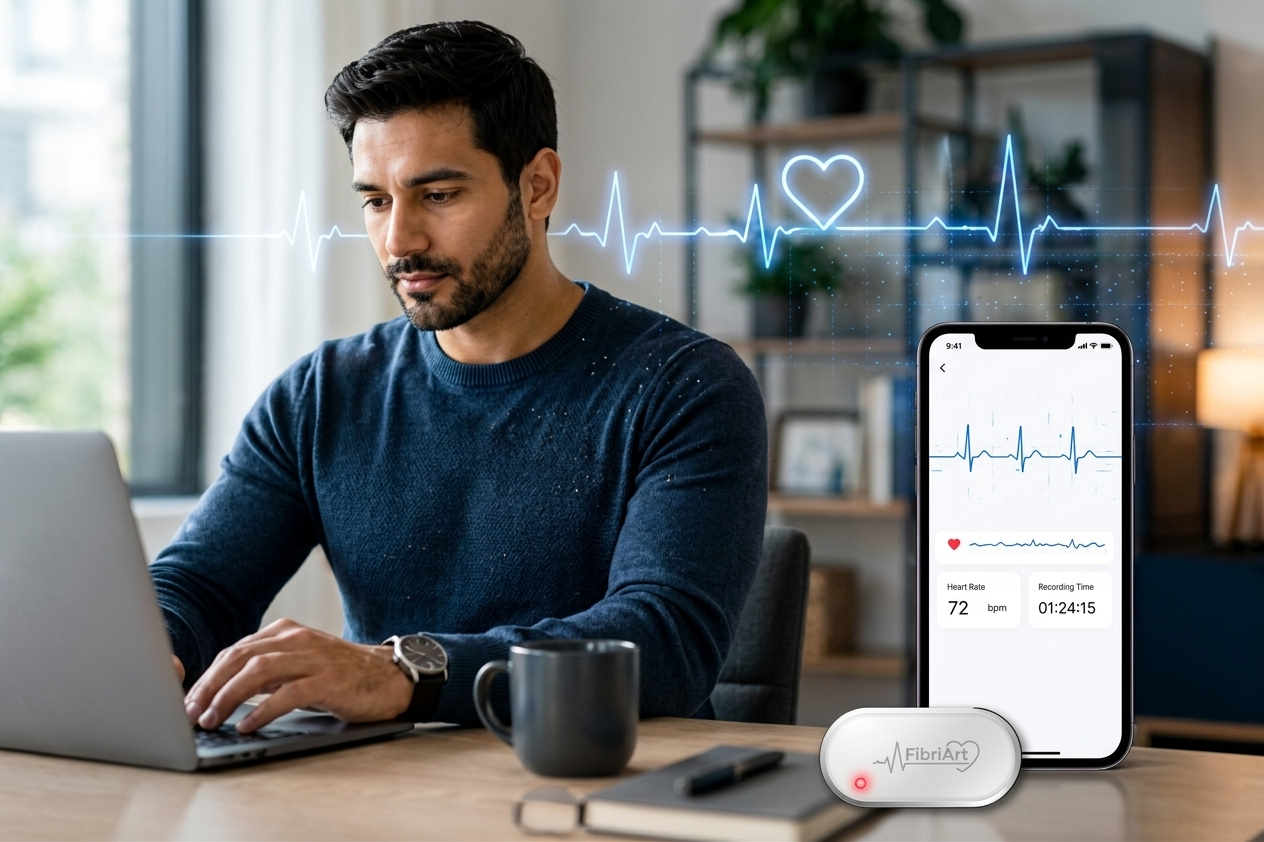
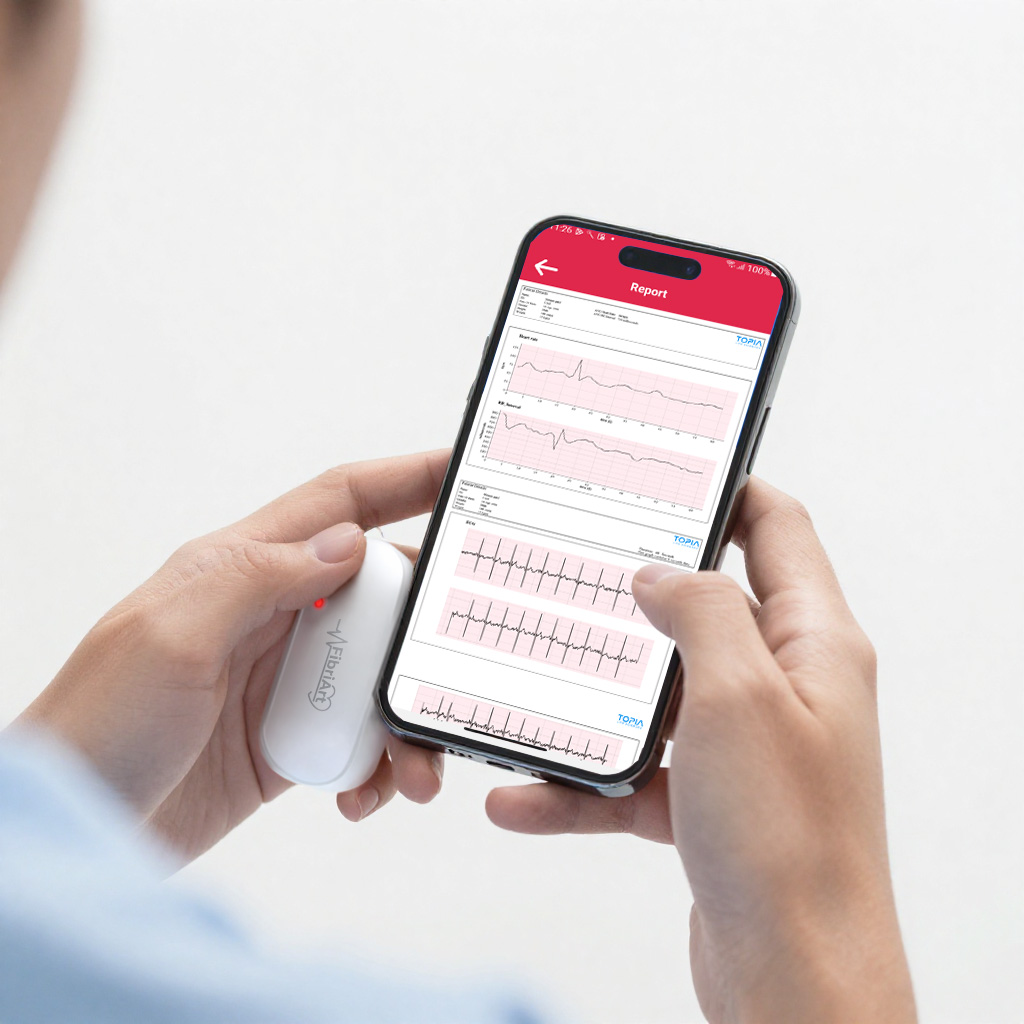
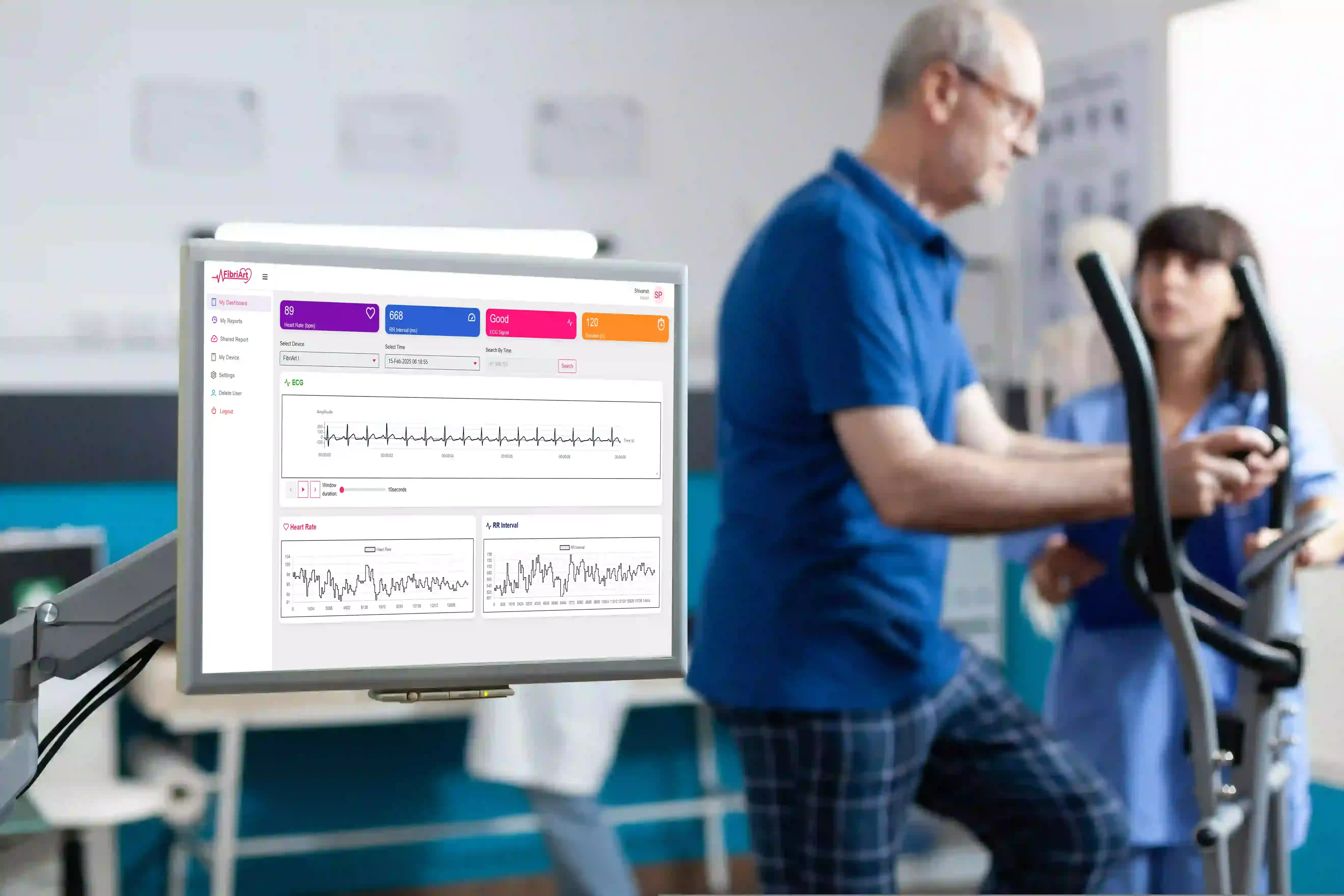
In solutions such as Fibriart, ECG recordings can be saved, accessed, and shared through a digital interface, making it easier for clinicians to review patient data without relying on physical device retrieval.
Step 4: ECG Analysis and Interpretation
Once the ECG data is available, it is analyzed to identify clinically relevant patterns.
Basic interpretation involves assessing heart rate, rhythm, and waveform characteristics. This helps in identifying abnormalities such as arrhythmias, atrial fibrillation, or variations in heart rate.
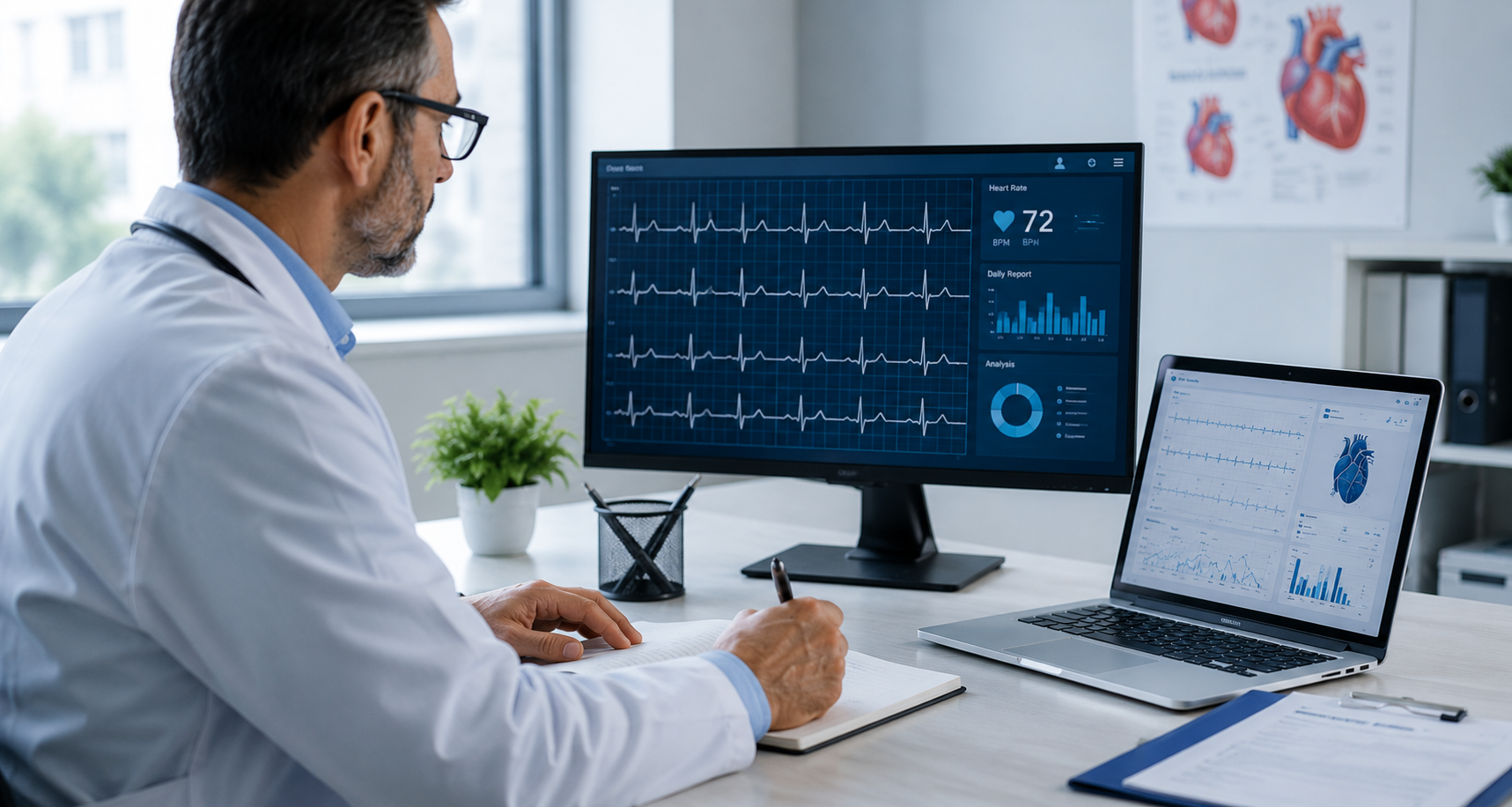
While software tools can assist in highlighting irregular patterns, clinical interpretation remains essential to confirm findings and guide treatment decisions.
From Data to Clinical Decision
ECG monitoring becomes meaningful when the recorded data is used to support clinical decisions.
The insights gained from ECG recordings can help in diagnosing conditions, monitoring progression, and evaluating treatment outcomes.
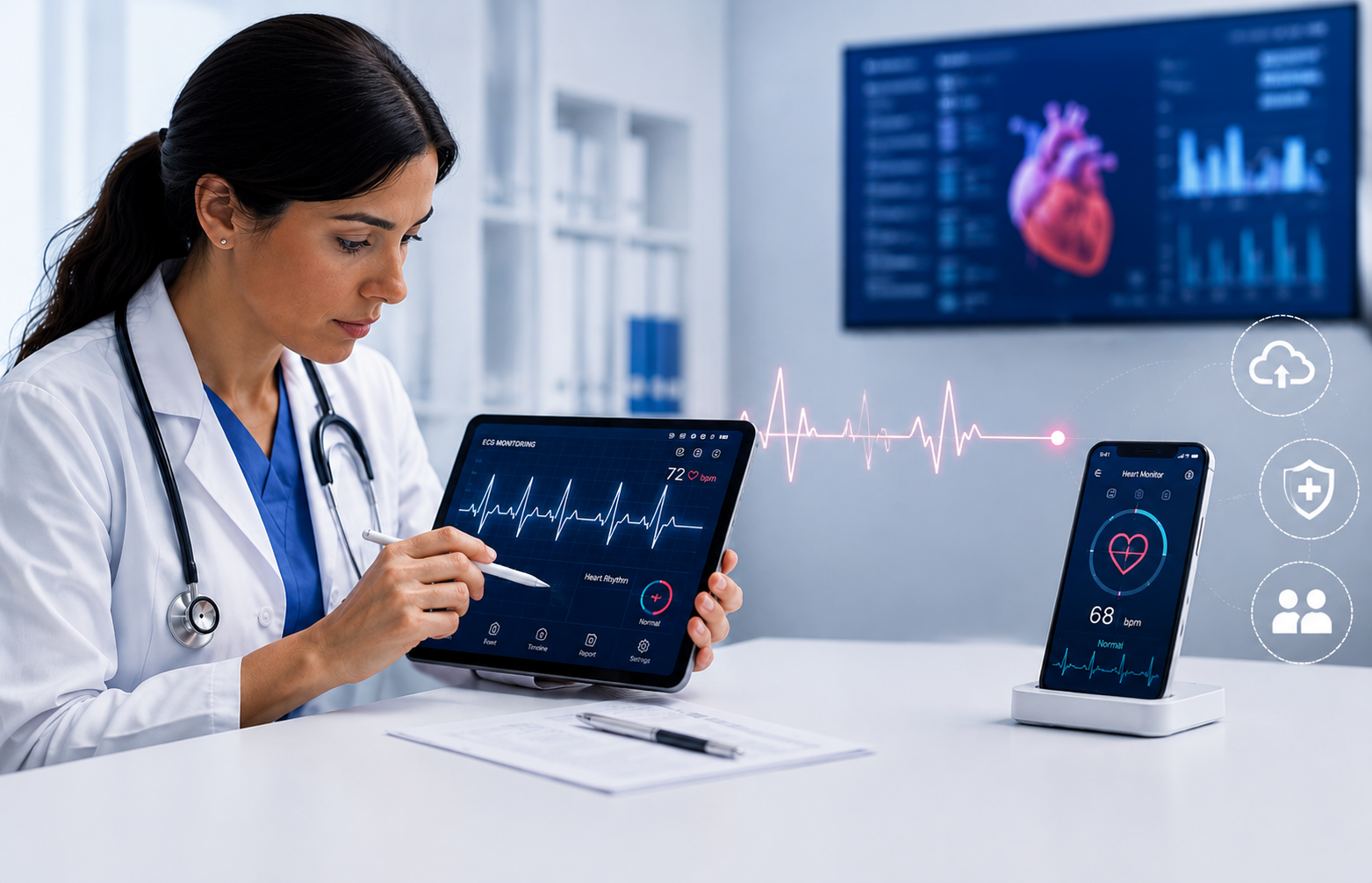
Access to timely and accurate data plays a critical role in this process. Systems that allow remote access to ECG reports, such as Fibriart, help reduce delays and make it easier to review patient data when needed.
Common Challenges in ECG Monitoring
Despite its widespread use, ECG monitoring has some limitations.
Signal quality can be affected by motion artifacts, poor electrode placement, or environmental interference. In addition, intermittent symptoms may not always be captured during fixed monitoring periods.
Another challenge is managing large volumes of data while identifying clinically relevant events.
Modern systems aim to address these issues by improving signal processing, enabling symptom-triggered recording, and simplifying data access.
The Role of Modern ECG Monitoring
Advances in technology have made ECG monitoring more flexible and accessible.
Wearable devices now allow monitoring to take place during daily activities, rather than only in clinical settings. This improves the chances of capturing real-world cardiac events.
Solutions like the Fibriart ECG patch support ambulatory monitoring and allow ECG recordings to be captured when symptoms occur. These recordings can then be reviewed remotely, helping bridge the gap between data collection and clinical evaluation.
Conclusion
ECG monitoring is not just a single test but a complete process that involves signal acquisition, processing, storage, and interpretation.
Each step contributes to the accuracy and usefulness of the data. As monitoring technology continues to evolve, there is a clear shift toward more flexible and patient-friendly approaches.
By enabling ECG recording in real-world conditions and improving access to data, modern solutions are helping make cardiac monitoring more effective and clinically relevant.
Frequently Asked Questions (FAQs)
ECG monitoring identifies arrhythmias by analyzing irregular patterns in the heart's electrical activity over time.
ECG records electrical activity of the heart, while heart rate monitoring only measures beats per minute.
Noise can result from patient movement, poor electrode contact, or external electrical interference.
Yes, modern ECG systems allow recordings to be stored and accessed remotely through mobile apps and cloud platforms.
Wearable ECG devices can provide reliable data when used correctly, although clinical interpretation is required for diagnosis.
Reference Links
Recent Posts




Limitations of Traditional Cardiac Monitoring Devices
March 25, 2026
How Fibriart-I ECG Patch Fits Into Your Clinic Workflow
March 11, 2026

Common Cardiac Rhythm Disorders and How They Often Go Undetected
February 05, 2026




The Future of Heart Health: How Wearable Heart Monitors Saving Lives
February 20, 2025