
Have you ever experienced a racing heartbeat, skipped beats, or unexplained dizziness that seemed to disappear before you could seek medical attention? Heart rhythm disorders often occur unexpectedly, making them difficult to detect during a routine ECG performed in a clinic or hospital. As a result, many patients continue searching for answers while symptoms come and go.
Wearable ECG monitoring is changing this approach by allowing individuals to track their heart activity during everyday life. By capturing ECG data when symptoms actually occur, wearable ECG devices can support earlier detection of heart rhythm disorders, better treatment decisions, and greater peace of mind for patients, caregivers, and healthcare providers. In this article, we'll explore why wearable ECG monitoring is becoming an essential tool for proactive heart health management.
Heart Rhythm Disorders: Understanding the Growing Challenge
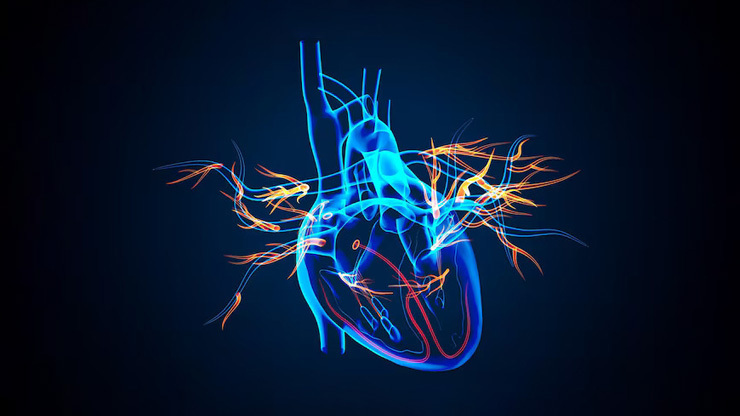
Heart rhythm disorders occur when the heart's electrical signals that coordinate heartbeats do not function normally. The heart may beat too fast, too slow, or irregularly.
Common heart rhythm disorders include:
- Atrial fibrillation (AFib)
- Bradycardia
- Tachycardia
- Supraventricular tachycardia (SVT)
- Ventricular arrhythmias
According to leading cardiovascular organizations, atrial fibrillation is among the most common arrhythmias globally and is associated with an increased risk of stroke, heart failure, and other cardiovascular complications. Many cases remain undiagnosed because symptoms may be sporadic or absent altogether.
Why This Matters
Heart rhythm disorders can:
- Increase the risk of stroke
- Contribute to heart failure
- Reduce quality of life
- Cause fatigue and dizziness
- Lead to emergency hospital visits
- Result in delayed diagnosis when symptoms are intermittent
As populations age and cardiovascular disease remains a major global health concern, effective monitoring solutions are becoming increasingly important.
What Is Wearable ECG Monitoring?
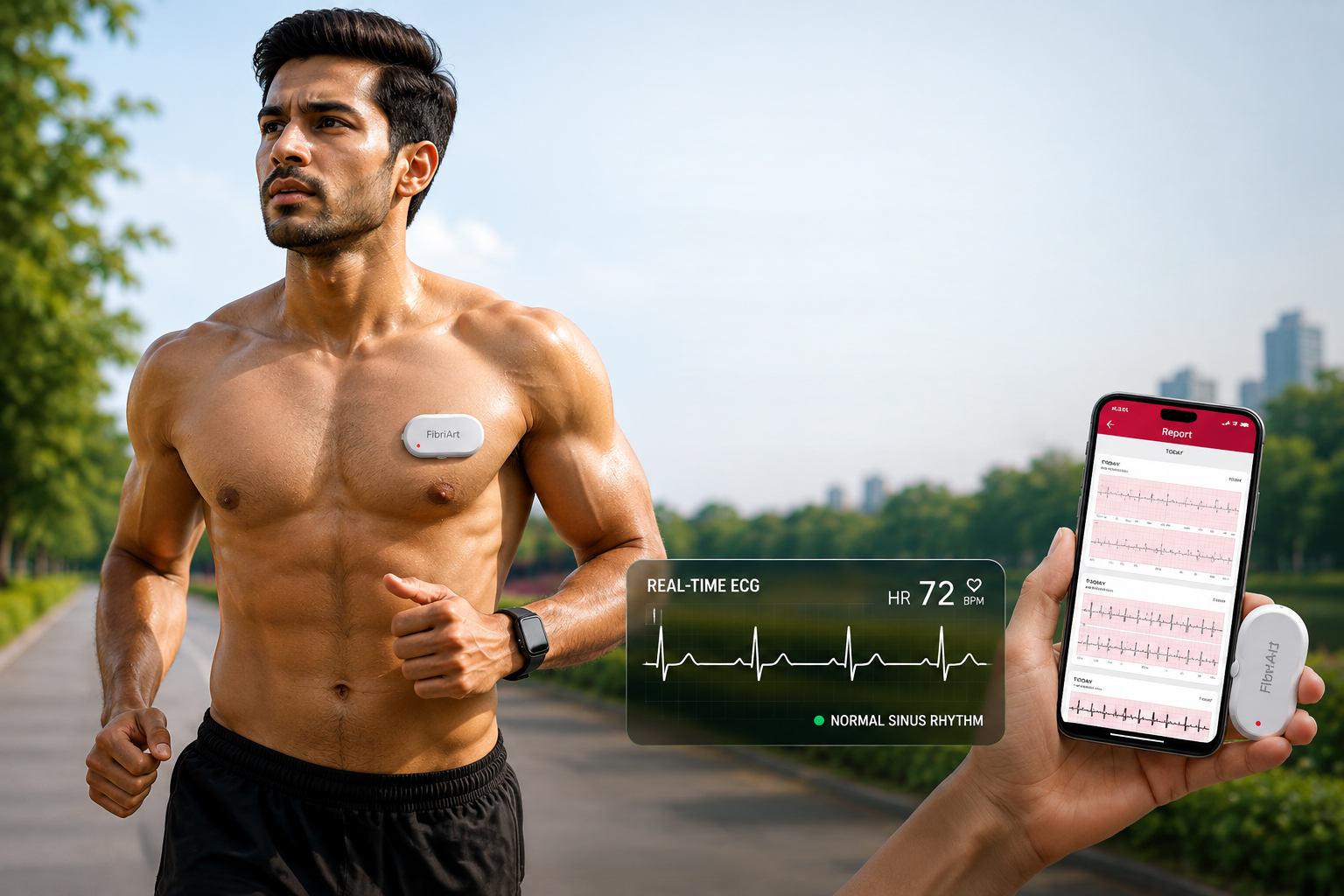
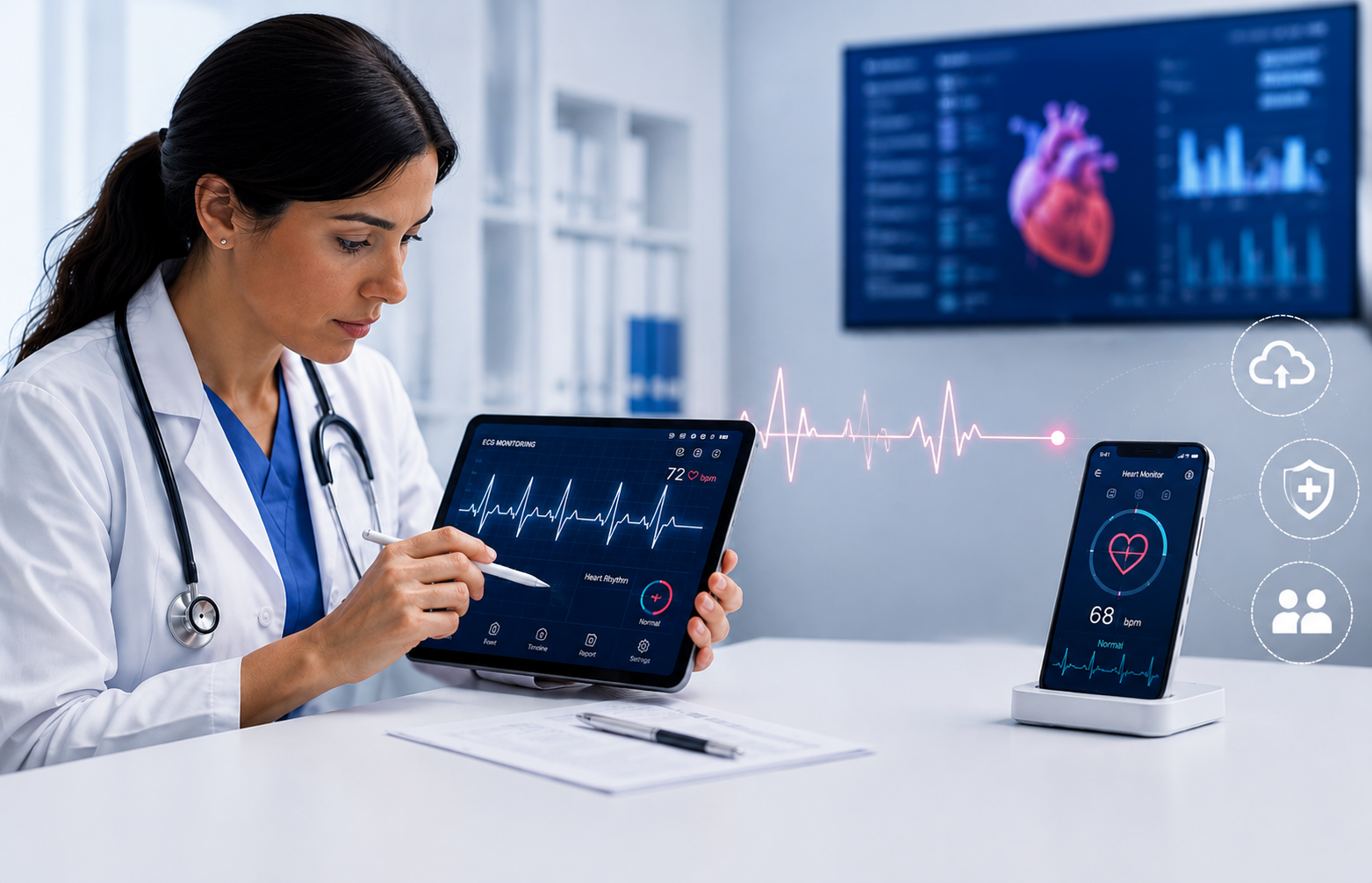
Wearable ECG monitoring refers to the use of portable devices that record the electrical activity of the heart outside of a hospital or clinic setting. These devices are designed to help patients and healthcare providers monitor heart rhythm patterns during everyday activities, including work, exercise, travel, and sleep.
Unlike a standard electrocardiogram performed during a short appointment, wearable ECG devices allow heart activity to be recorded when symptoms occur naturally. This makes them particularly useful for identifying intermittent arrhythmias that may otherwise go undetected.
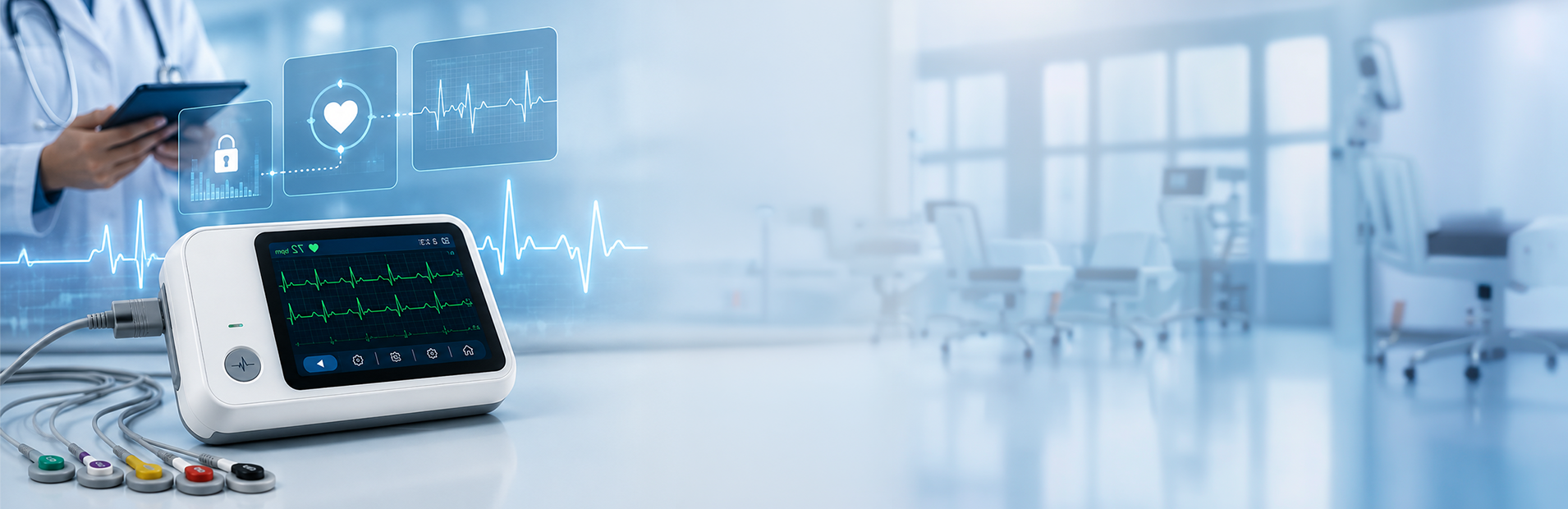
Modern wearable ECG devices are designed with patient comfort and convenience in mind. Many solutions now offer wireless connectivity, mobile app integration, and remote data sharing, making heart monitoring more accessible than ever before.
In short, wearable ECG monitoring is a method of tracking the heart's electrical activity using a portable device that can be worn during daily activities. These devices help detect irregular heart rhythms, monitor symptoms that occur intermittently, and support remote cardiac monitoring by providing healthcare providers with valuable heart rhythm data outside traditional clinical settings.
Why Heart Rhythm Disorders Are Often Difficult to Diagnose
One of the greatest challenges in diagnosing heart rhythm disorders is that symptoms do not always occur during a medical appointment.
A patient may experience:
- Heart palpitations during sleep
- Dizziness while exercising
- Rapid heartbeat during periods of stress
- Irregular heartbeats while traveling
- Fainting episodes occurring only occasionally
By the time the patient undergoes a traditional ECG examination, the heart rhythm may have returned to normal.
This intermittent nature of arrhythmias often delays diagnosis and treatment.
Why Traditional ECG Tests Can Miss Irregular Heartbeats
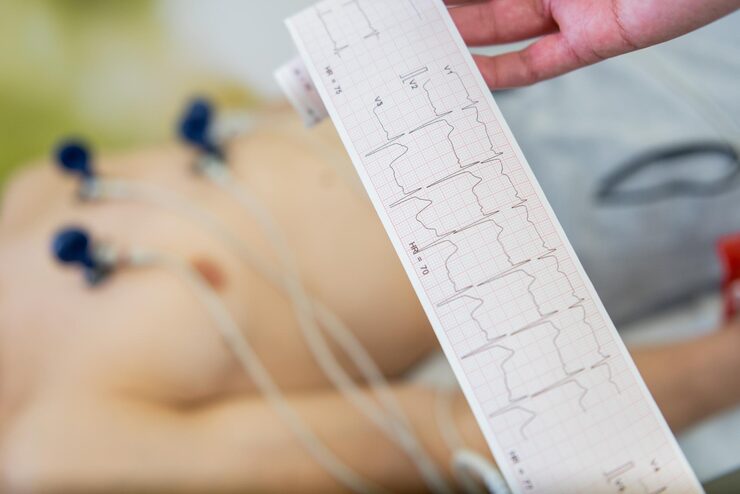
A standard ECG typically records heart activity for only a few seconds.
While highly effective for evaluating heart rhythms during the test itself, it may not detect infrequent arrhythmias.
Some limitations include:
- Short monitoring duration
- Inability to capture sporadic symptoms
- Limited visibility into daily activities
- Difficulty correlating symptoms with ECG findings
Patients may receive normal results despite continuing to experience concerning symptoms.
This diagnostic gap has contributed to the growing adoption of wearable ECG monitoring technologies.
Comparison Table
| Feature | Standard ECG | Holter Monitor | Wearable ECG Device |
|---|---|---|---|
| Monitoring Duration | Seconds | 24–48 Hours | On-demand or recurring monitoring |
| Captures Intermittent Symptoms | Low | Moderate | High |
| Home Monitoring | No | Limited | Yes |
| Daily Activity Tracking | Limited | Moderate | High |
| Patient Convenience | Moderate | Moderate | High |
| Remote Data Sharing | No | Limited | Yes |
How Wearable ECG Monitoring Works
Most wearable ECG devices follow a straightforward process:
- The patient wears or carries the ECG device.
- The device records heart rhythm data during daily activities.
- ECG recordings are stored and transmitted wirelessly.
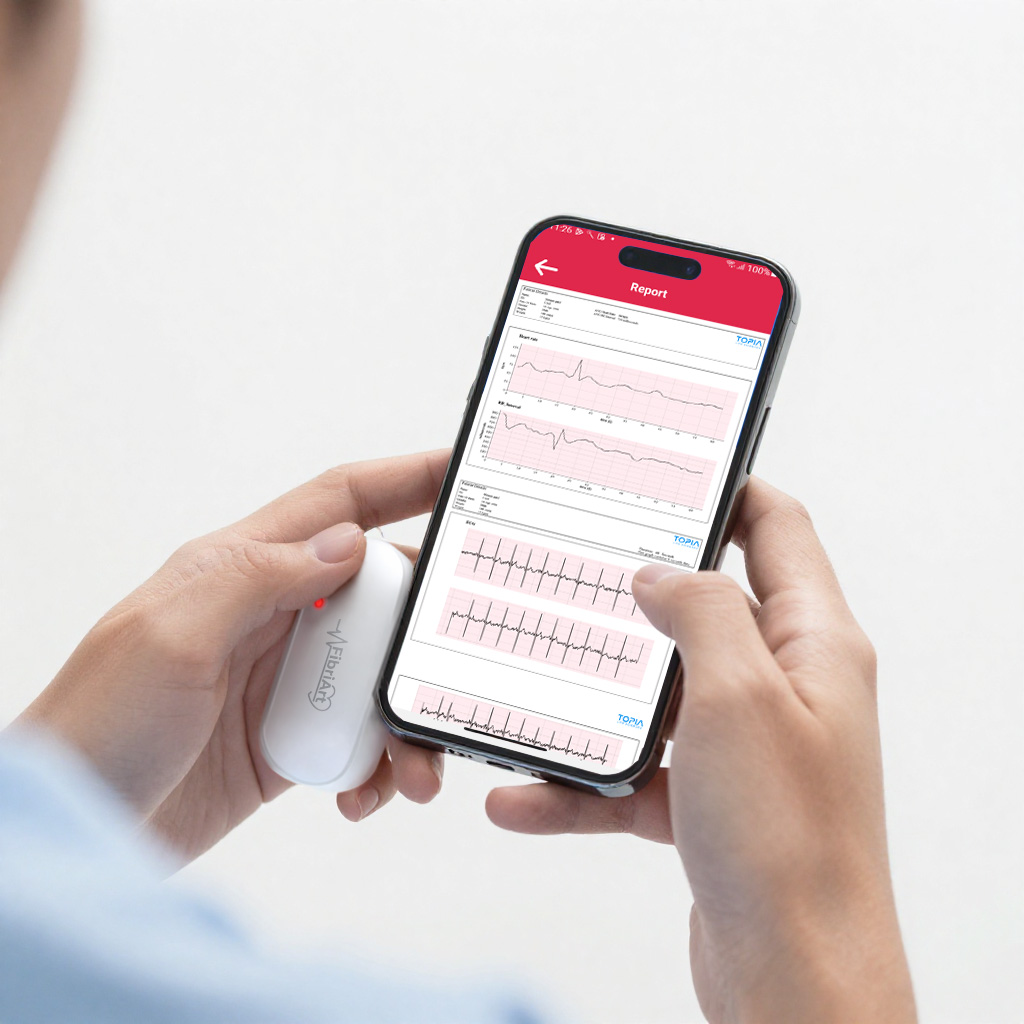
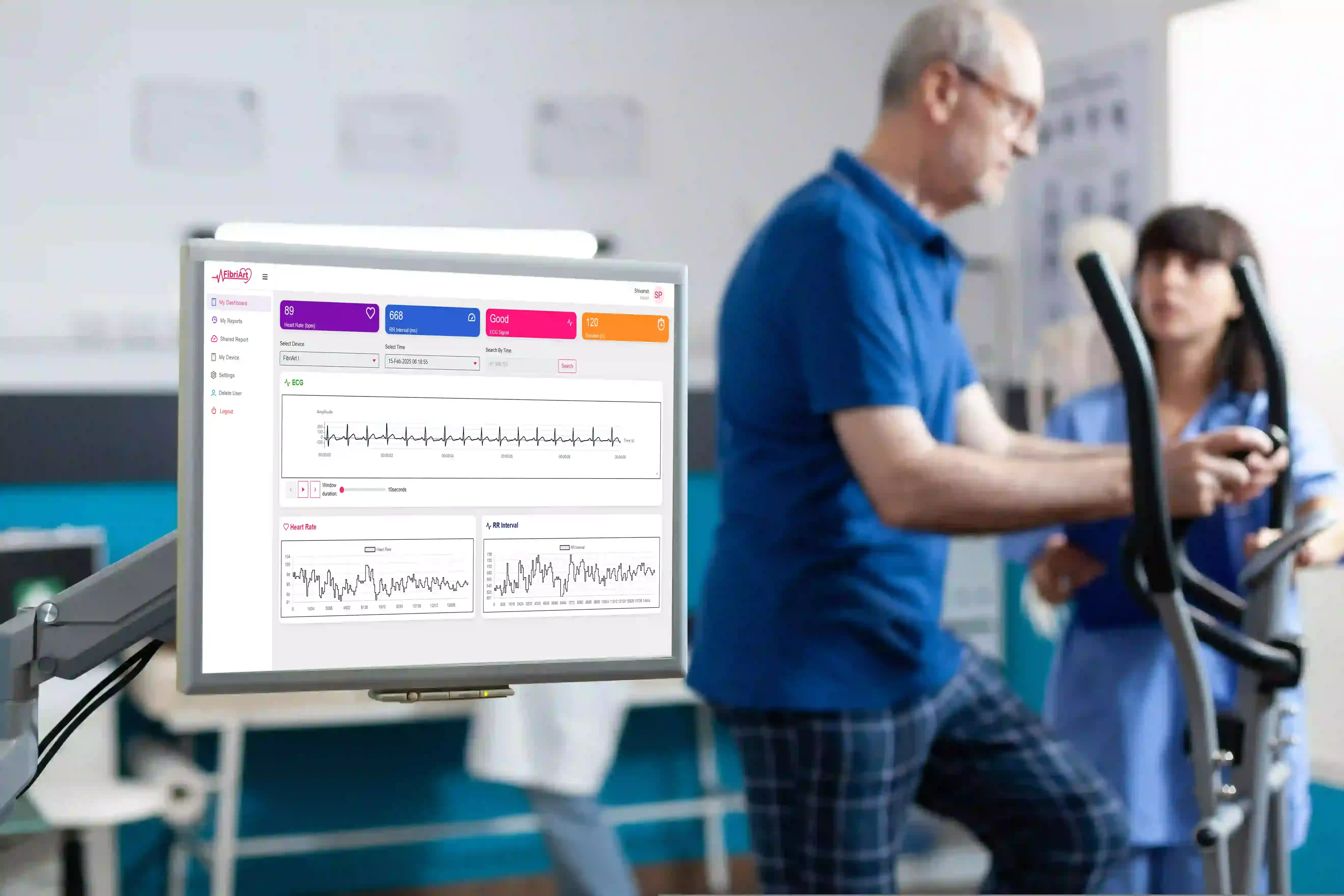
- Data can be reviewed through a mobile application.
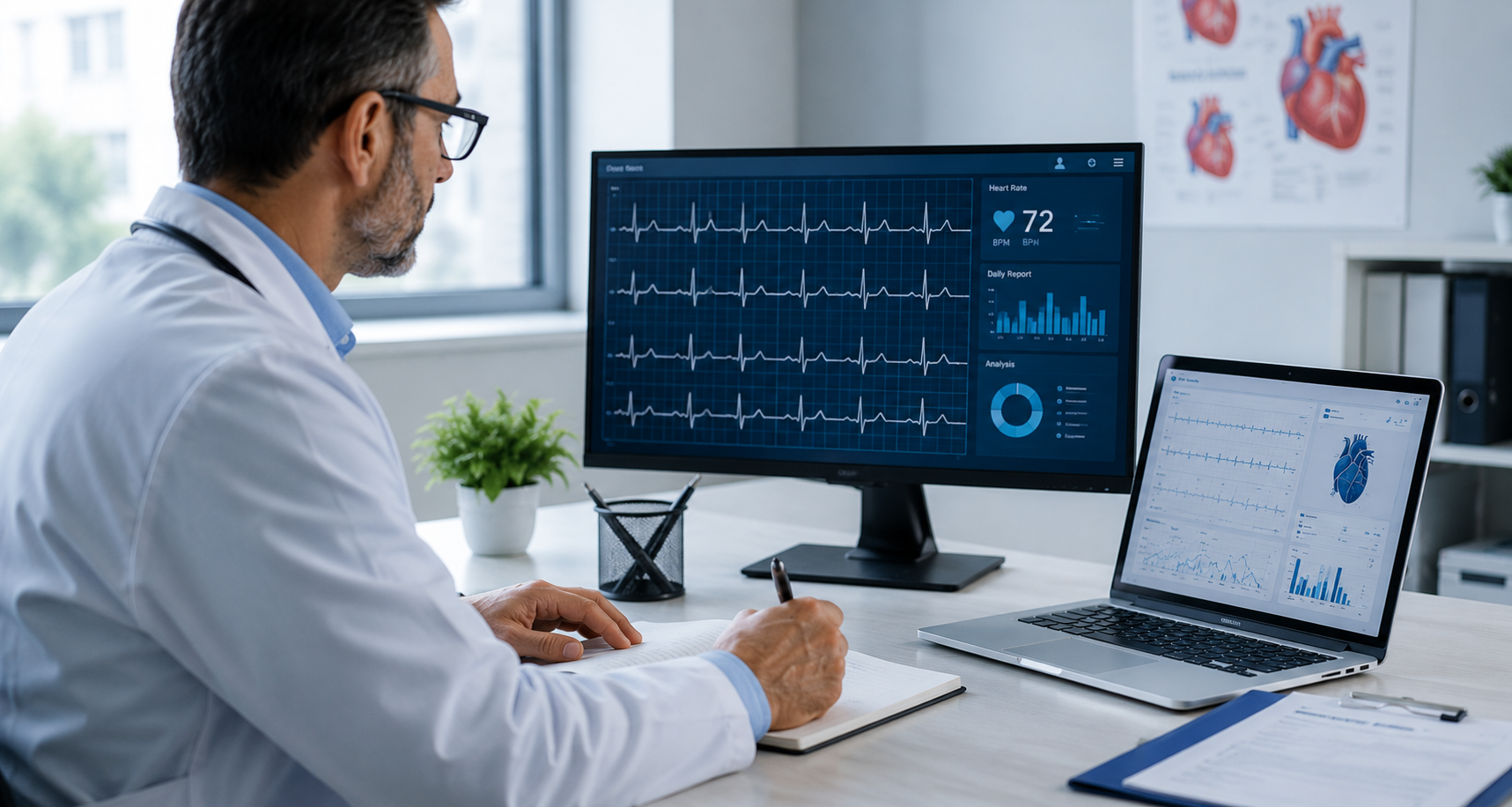
- Healthcare professionals analyze recordings for abnormalities.
This approach allows patients to monitor their heart health without disrupting their routine.
Key Benefits of Wearable ECG Monitoring
Earlier Detection of Irregular Heart Rhythms
Continuous access to ECG recording capabilities increases the likelihood of capturing abnormal heart rhythms when they occur.
Monitoring Symptoms in Real Time
Patients can record ECG data when experiencing symptoms such as:
- Palpitations
- Dizziness
- Chest discomfort
- Rapid heartbeat
- Fatigue
Reduced Need for Repeated Clinic Visits
Remote cardiac monitoring may reduce unnecessary visits while still providing valuable clinical information.
Better Treatment Decisions
More comprehensive ECG data can help physicians determine the most appropriate treatment strategy.
Peace of Mind
For many patients and caregivers, access to heart rhythm information provides reassurance and greater confidence in managing heart health.
Real-Life Situations Where Wearable ECG Monitoring Helps
Scenario 1: Occasional Palpitations
A patient experiences heart palpitations once every two weeks. Routine ECG tests appear normal. A wearable ECG device captures an abnormal rhythm during an episode, helping facilitate diagnosis.
Scenario 2: Busy Working Professional
A corporate employee experiences episodes of rapid heartbeat during stressful meetings. Wearable ECG monitoring enables symptom recording without interrupting work responsibilities.
Scenario 3: Older Adults
An elderly patient experiences occasional dizziness. ECG recordings collected during symptoms provide valuable information for healthcare providers.
Who Should Consider Wearable ECG Monitoring?
Wearable ECG monitoring may be beneficial for:
- Individuals with unexplained palpitations
- Patients with a family history of arrhythmias
- Older adults
- Patients with cardiovascular risk factors
- Individuals recovering from cardiac procedures
- Corporate professionals experiencing high stress levels
- Caregivers monitoring vulnerable family members
Wearable ECG Monitoring vs Traditional Holter Monitoring
| Feature | Wearable ECG Device | Traditional Holter Monitor |
|---|---|---|
| Portability | High | Moderate |
| User Convenience | High | Moderate |
| Wireless Connectivity | Available | Limited |
| Mobile App Integration | Available | Limited |
| Daily Activity Support | High | Moderate |
How Continuous Monitoring Supports Better Treatment Decisions
The more information healthcare providers have about a patient's heart rhythm, the better they can evaluate symptoms and determine the most appropriate treatment pathway.
Continuous monitoring can help:
- Identify recurring arrhythmias
- Correlate symptoms with ECG findings
- Evaluate treatment effectiveness
- Support long-term heart health management
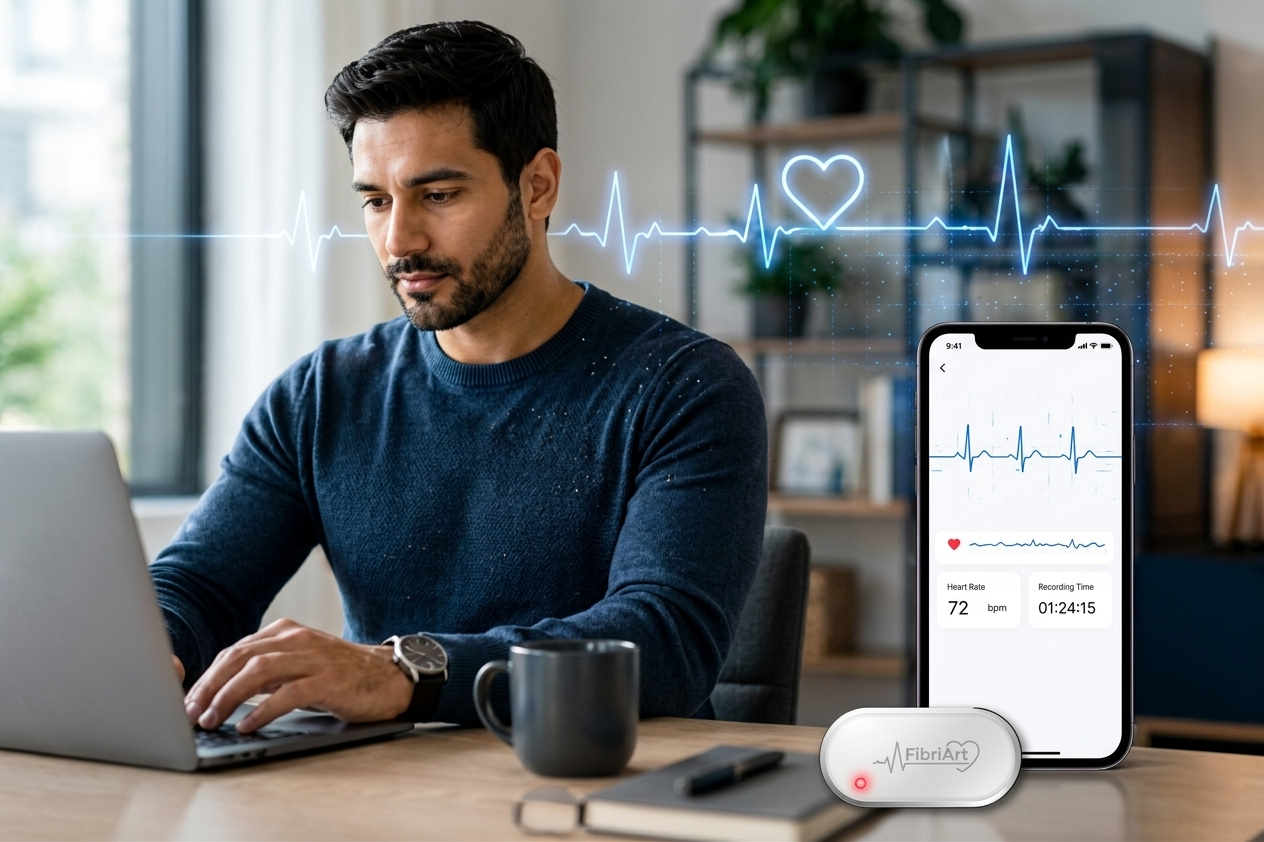
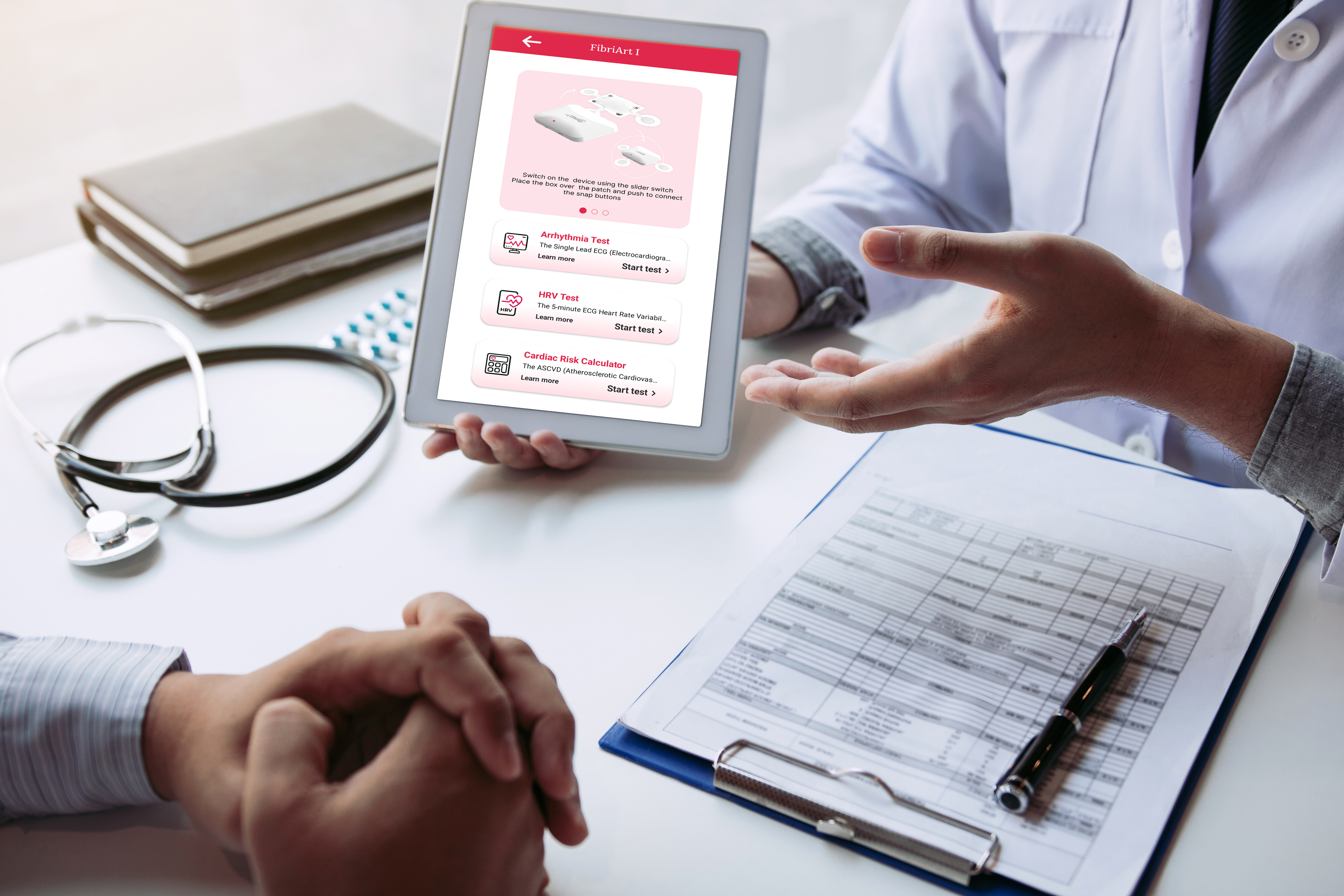
How FibriArt Supports Everyday Heart Monitoring
Key capabilities include:
- Portable wearable ECG monitoring
- Wireless connectivity
- Mobile application support
- ECG recordings ranging from 30 to 300 seconds
- Real-time alert capabilities
- Support for remote cardiac monitoring workflows
By enabling patients to capture ECG recordings during daily activities, FibriArt aims to support proactive heart health management and improved communication with healthcare professionals.
Conclusion
Wearable ECG monitoring is transforming heart health management by helping detect irregular heart rhythms that may be missed during routine ECG tests. By enabling patients to record heart activity during daily life, these devices support earlier diagnosis, better treatment decisions, and more proactive cardiac care. For individuals at risk of heart rhythm disorders, wearable ECG solutions like FibriArt offer a convenient and effective way to monitor heart health anytime, anywhere.
FAQs
Wearable technology helps detect irregular heart rhythms by recording ECG data during daily activities, making it easier to identify intermittent arrhythmias.
A wearable ECG records the heart's electrical activity while you go about your daily routine and stores the data for clinical review.
Wearable ECG devices, ECG patch monitors, smartwatches with ECG features, and heart rate monitors are commonly used for cardiovascular health monitoring.
Wearable technology helps track health data in real time, supporting early detection, monitoring, and better health management.
Wearable ECG monitoring uses portable devices to record heart rhythm data outside clinical settings, helping detect irregular heartbeats.
People with palpitations, dizziness, arrhythmias, cardiovascular risk factors, or those requiring remote heart monitoring may benefit from wearable ECG devices.
Yes, wearable ECG devices can help identify irregular heart rhythms that may be missed during routine ECG tests.
Monitoring duration varies based on symptoms and medical needs, ranging from short recordings to several days or weeks.
Many wearable ECG devices provide reliable heart rhythm data, but healthcare professionals should always review results.
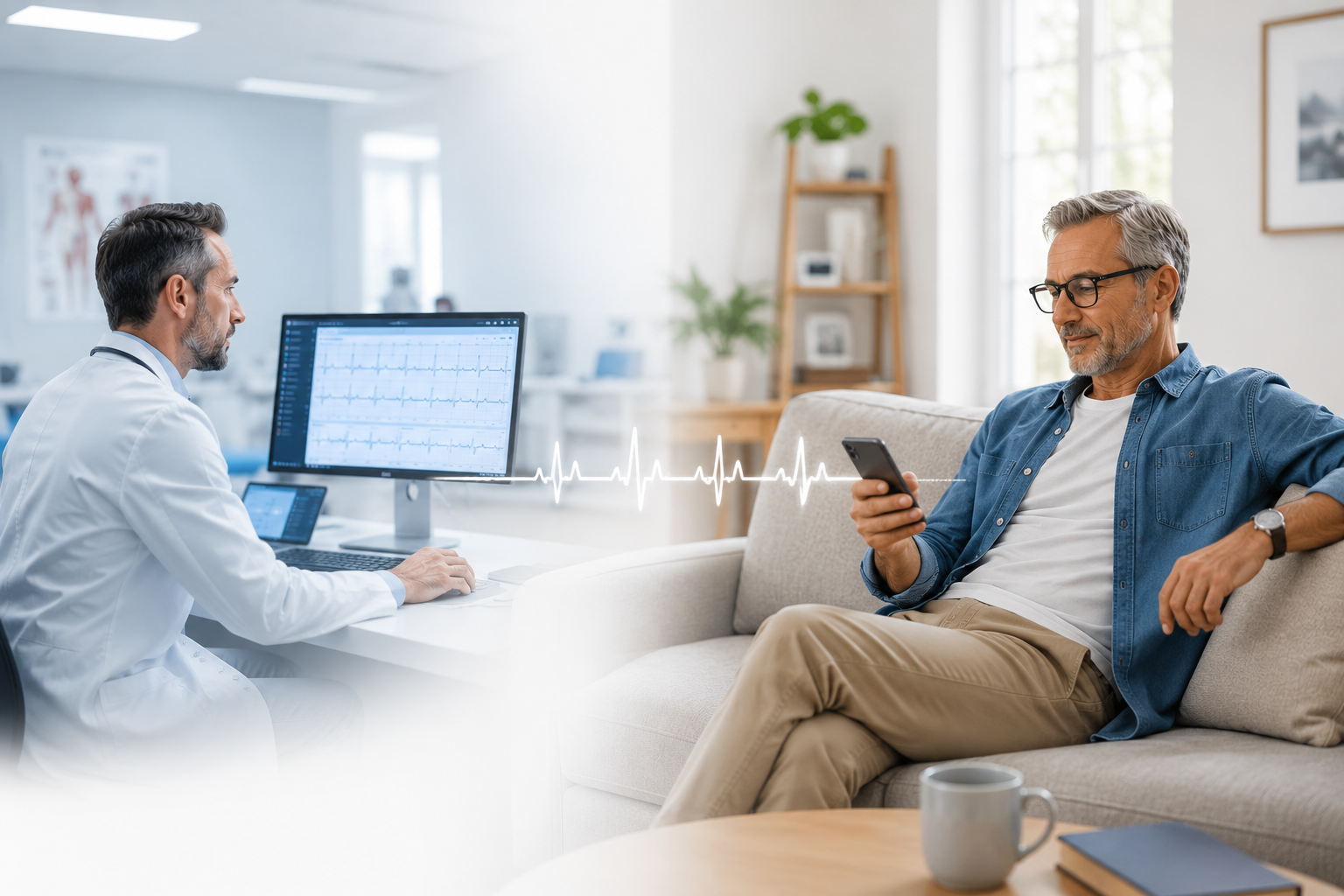
Yes, wearable ECG monitoring can support remote cardiac monitoring and reduce the need for repeated clinic visits.
References
- Centers for Disease Control and Prevention (CDC) – About Atrial Fibrillation (AFib)
- American Heart Association (AHA) – Arrhythmia Information and Heart Rhythm Disorders
- National Heart, Lung, and Blood Institute (NHLBI) – Arrhythmias
- World Health Organization (WHO) – Cardiovascular Diseases (CVDs)
- Mayo Clinic – Heart Arrhythmia Symptoms and Causes
- Cleveland Clinic – Arrhythmia Overview
- European Society of Cardiology (ESC) – Wearable Heart Monitor Increases Diagnoses of Common Heart Rhythm Disorder by 50%
- National Library of Medicine (PubMed) – Wearable Devices for Arrhythmia Detection and Management
- National Library of Medicine (PubMed) – Wearable ECG Technology and Remote Cardiac Monitoring
- Jefferson Health – A Cardiologist's Take on Smartwatch ECG Monitors and Heart Health
- Scripps Health – Which Heart Monitor Is Best for Detecting Irregular Heartbeats?
- Applied Clinical Trials – The Future of Cardiac Safety: How Wearable ECG Technology Enhances Patient Monitoring
Recent Posts


Limitations of Traditional Cardiac Monitoring Devices
March 25, 2026
How Fibriart-I ECG Patch Fits Into Your Clinic Workflow
March 11, 2026

Common Cardiac Rhythm Disorders and How They Often Go Undetected
February 05, 2026



The Future of Heart Health: How Wearable Heart Monitors Saving Lives
February 20, 2025