
When a Normal ECG Doesn't Tell the Whole Story
A patient arrives at the cardiology clinic after experiencing occasional heart palpitations over the past few weeks. They describe episodes of rapid heartbeat, mild dizziness, and fatigue that seem to come and go without warning. A standard electrocardiogram (ECG) is performed, but the results are completely normal. The patient leaves with reassurance, yet the symptoms return a few days later, this time while at work.
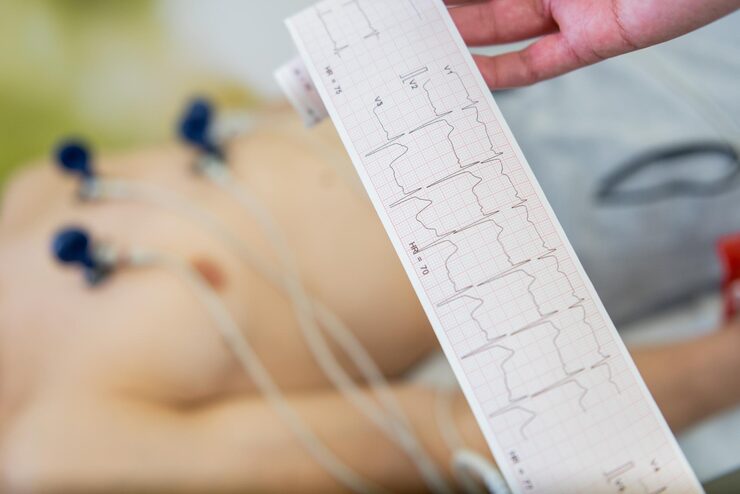
For cardiologists, this situation is familiar. Many heart rhythm disorders are intermittent, making them difficult to detect during the few seconds a conventional ECG records cardiac activity. The challenge isn't that the technology is inaccurate; it's that the heart doesn't always misbehave when the patient is sitting in an examination room.
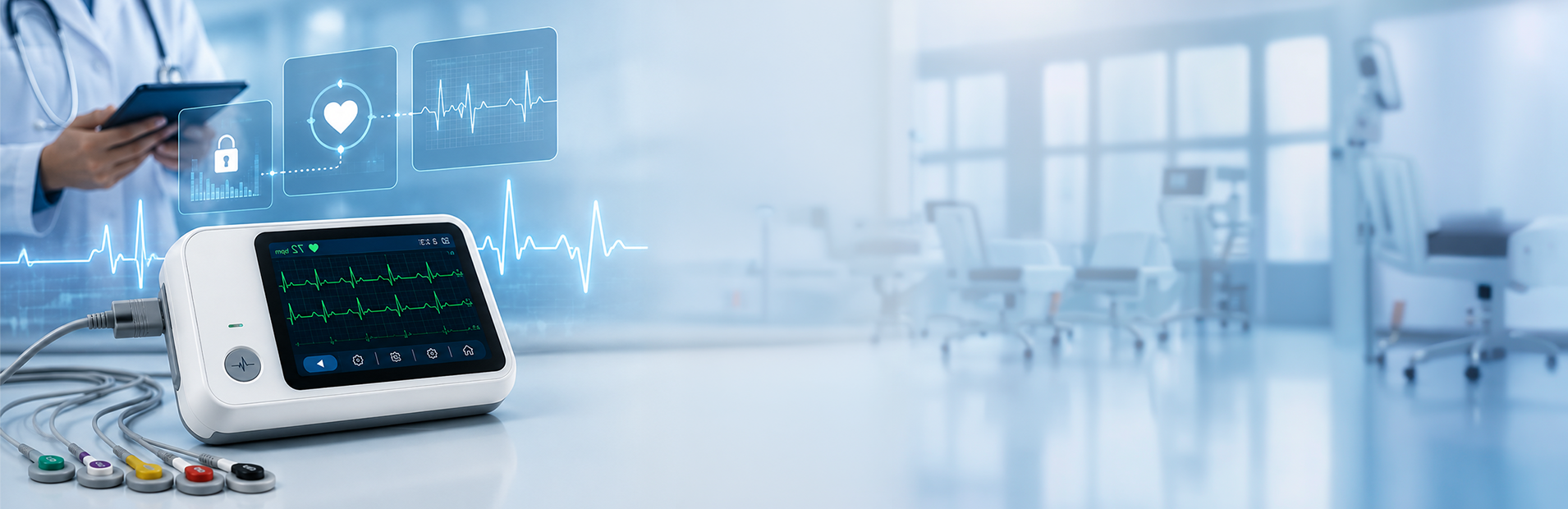
This is exactly where ambulatory cardiac monitoring has transformed cardiac care. Instead of relying on a brief snapshot, clinicians can now observe the heart over several days or even weeks while patients continue living their everyday lives. The result is a more complete understanding of cardia rhythm, earlier diagnosis of intermittent arrhythmias, and a better patient experience.
As healthcare increasingly embraces remote care and wearable technology, ambulatory monitoring is moving cardiac diagnostics beyond the clinic and into patients' homes.
Why Traditional ECG Monitoring Has Its Limitations
A resting ECG remains one of the most valuable tools in cardiology. It is fast, non-invasive, and highly effective for identifying abnormalities that are present during the test. However, heart rhythm disorders rarely follow a predictable schedule.
Conditions such as atrial fibrillation, supraventricular tachycardia, premature ventricular contractions, and other intermittent arrhythmias may occur only a few times each week—or even once a month. If these episodes don't happen during the ECG recording, the test may appear perfectly normal despite the patient continuing to experience symptoms.
This often leads to repeated consultations, additional investigations, and delays in treatment.
Patients may begin to feel frustrated because they know something is wrong, yet every hospital visit ends with inconclusive results. Clinicians face a similar challenge: without objective ECG evidence, confirming a diagnosis becomes much more difficult.
Rather than increasing the number of hospital visits, modern cardiology is extending monitoring beyond clinical settings.
What Is Ambulatory Cardiac Monitoring?
Ambulatory cardiac monitoring refers to the continuous recording of heart activity while patients carry out their normal daily routines outside hospitals or clinics.
Instead of monitoring the heart for only a few seconds, wearable ECG devices continuously capture cardiac signals over an extended period. Depending on the clinical requirement, monitoring may last anywhere from 24 hours to several weeks.
This longer observation period gives clinicians access to thousands of heartbeats recorded during sleep, exercise, work, emotional stress, and everyday activities situations where many rhythm abnormalities naturally occur.
Rather than asking patients to adapt their lives around diagnostic tests, ambulatory monitoring adapts to the patient's lifestyle.
That shift represents one of the biggest changes in modern cardiac diagnostics.
From Wires to Wearables: How Cardiac Monitoring Has Evolved
For many years, Holter monitors were considered the standard for ambulatory ECG monitoring. While they continue to play an important role, advances in wearable technology have significantly expanded the options available to clinicians.
Today's ambulatory monitoring solutions include:
- Holter monitors for short-term continuous ECG recording.
- Event monitors that capture heart activity when symptoms occur.
- Mobile Cardiac Telemetry (MCT) systems capable of transmitting significant cardiac events for clinical review.
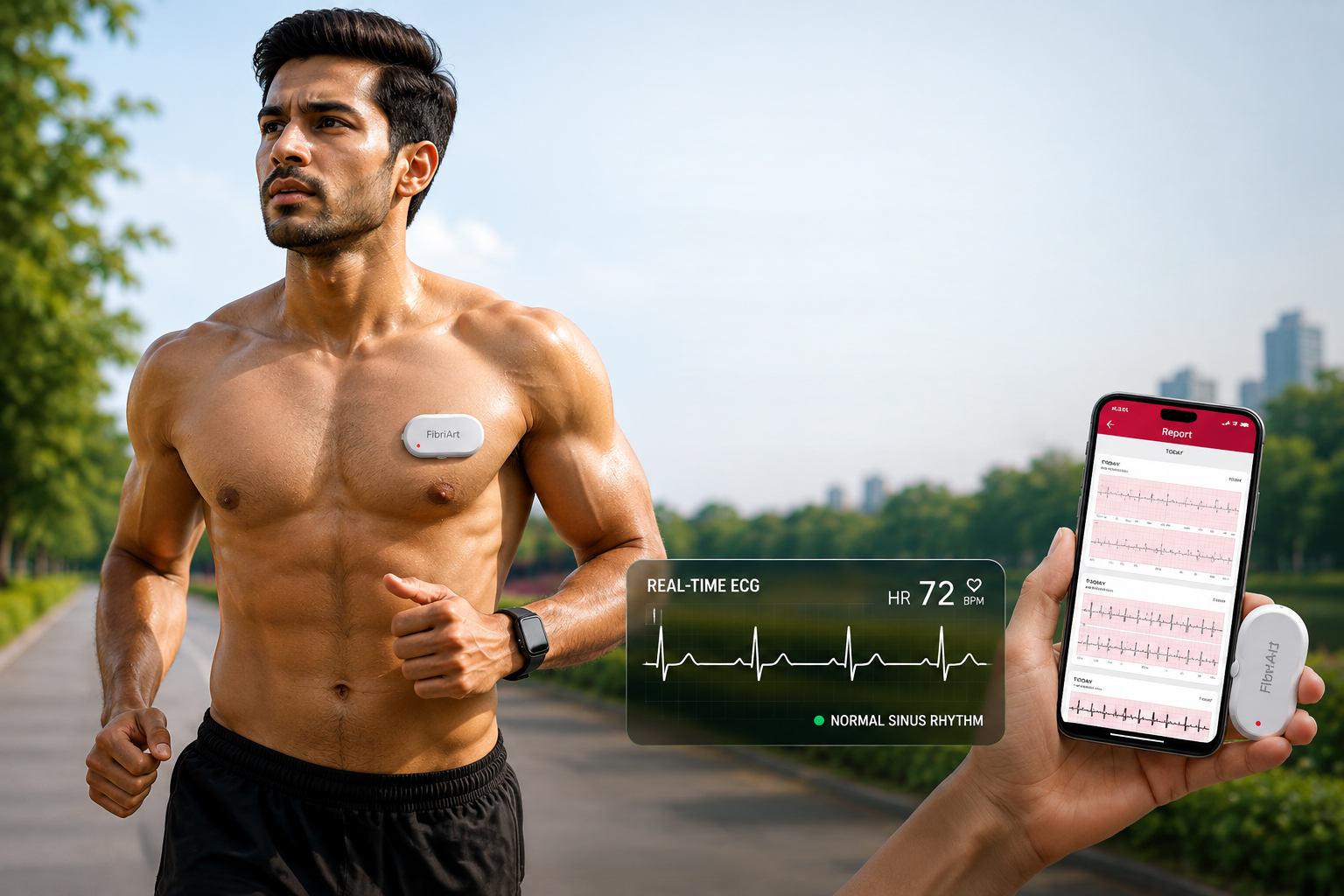
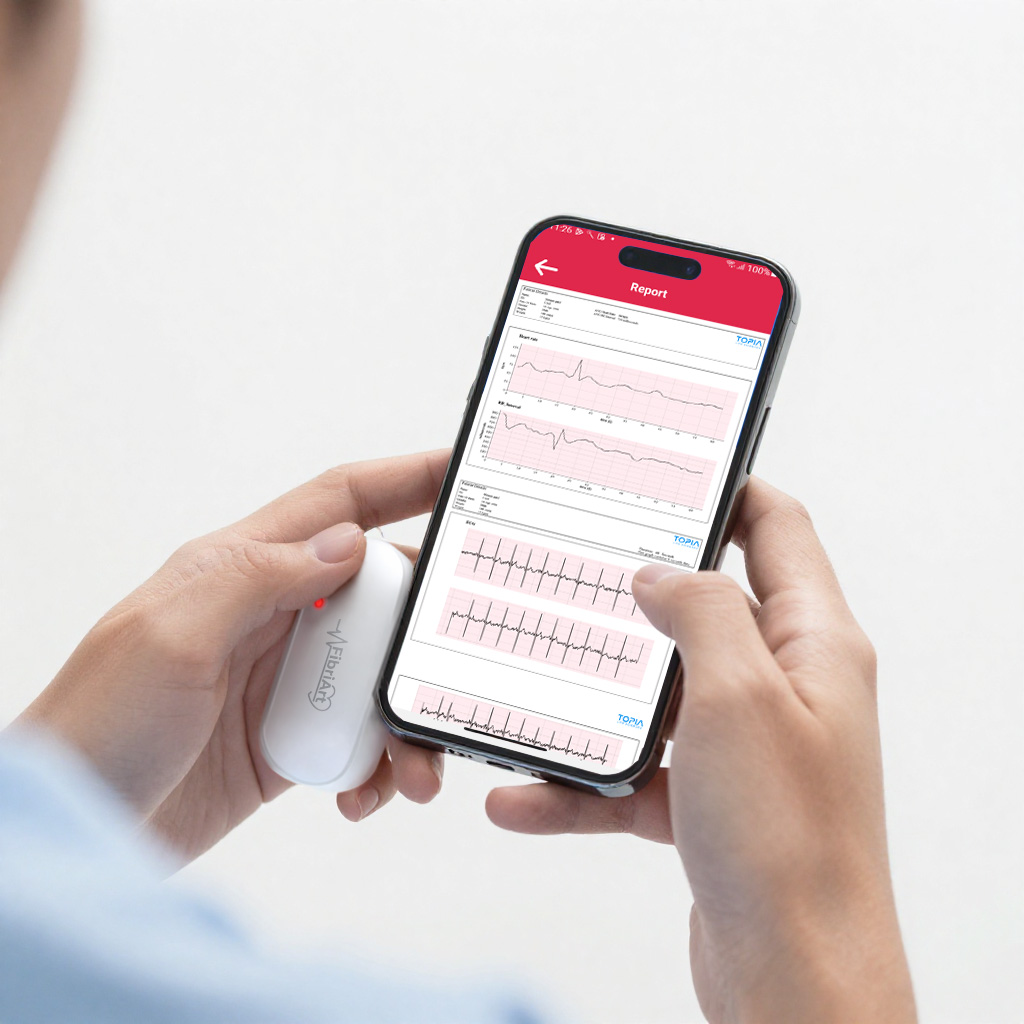
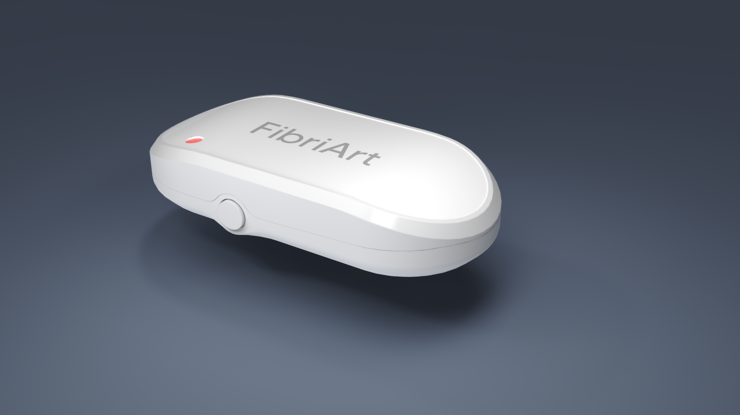
- Wearable ECG patches designed for comfortable, long-term monitoring without multiple lead wires.
Among these, wearable ECG patches have attracted considerable attention because they combine clinical-grade ECG recording with a design that patients are more willing to wear over extended periods.
As monitoring periods become longer, patient comfort becomes just as important as diagnostic performance.
Why Comfort Matters More Than Most People Think
One of the biggest reasons long-term monitoring fails has little to do with technology—it has everything to do with human behavior.
Patients are more likely to complete a monitoring study when the device fits naturally into their daily routine.
Traditional monitoring systems can involve multiple electrodes, external cables, and recording units worn around the neck or waist. While clinically effective, they may interfere with sleeping, showering, exercising, or even getting dressed comfortably.
Now imagine asking someone to wear such a device continuously for two weeks.
Modern wearable ECG monitors take a different approach.
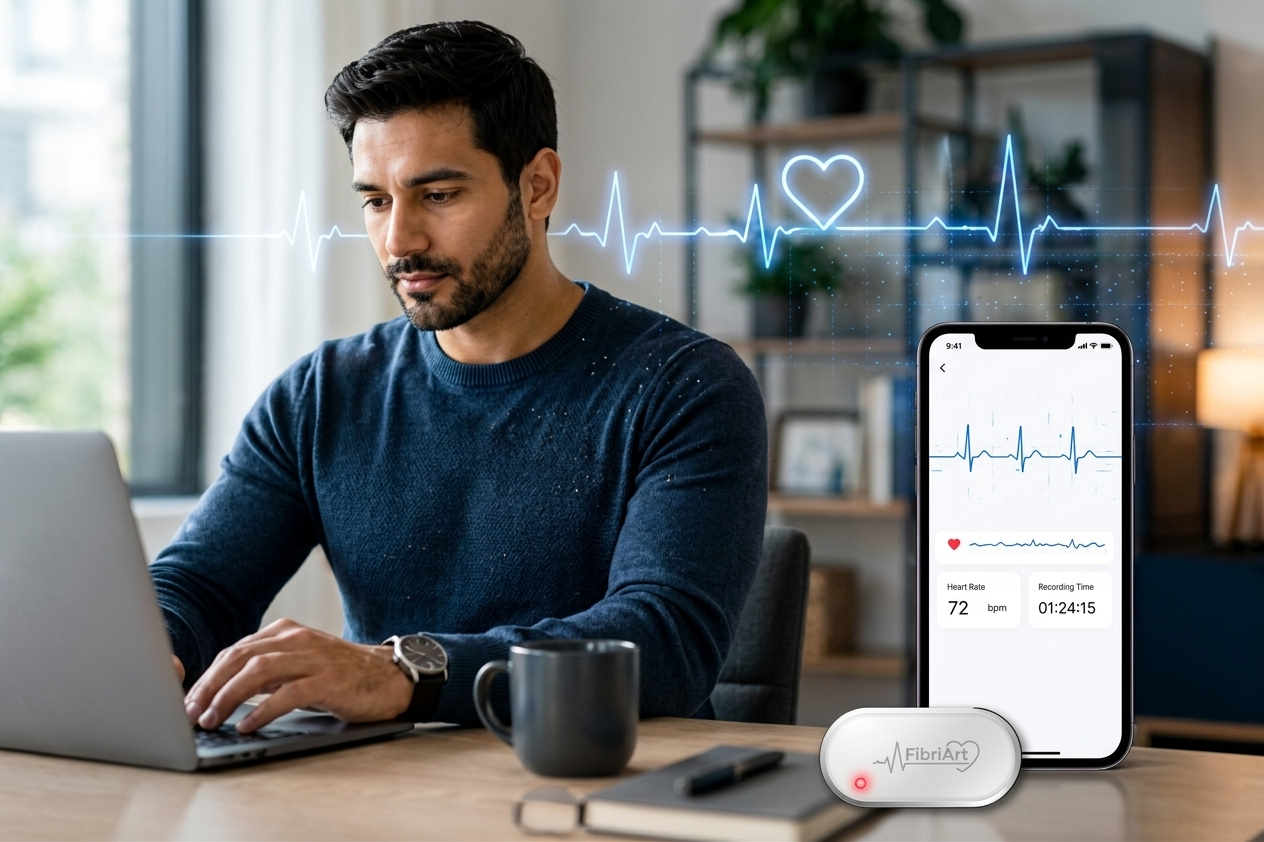
Compact, lightweight, and discreet, these devices are designed to stay comfortably attached to the chest while patients work, travel, sleep, and perform everyday activities with minimal interruption.
This seemingly simple improvement has an important clinical impact.
When patients wear monitoring devices for the recommended duration, clinicians receive a larger dataset, increasing the likelihood of detecting intermittent cardiac events that shorter studies might miss.
In other words, patient comfort directly contributes to better diagnostic outcomes.
Why Longer Monitoring Improves Diagnosis
Heart rhythm disorders are not always frequent.
A patient may experience symptoms every few days, while another may have only one abnormal episode every few weeks. This variability explains why longer monitoring periods often produce higher diagnostic yields than short-duration ECG testing.
Instead of relying on chance, clinicians can continuously observe cardiac activity across different situations, including:
- During physical activity
- While sleeping
- During emotional stress
- At work
- During recovery after exercise
These real-world conditions provide valuable clinical context that cannot always be reproduced inside a hospital.
For patients with unexplained palpitations, dizziness, syncope, or suspected atrial fibrillation, continuous monitoring offers a much greater opportunity to correlate symptoms with ECG findings.
The Growing Role of Remote Cardiac Monitoring
Healthcare is no longer limited to hospitals.
Telemedicine, remote patient monitoring, and connected medical devices are changing how chronic diseases are managed. Cardiology is among the specialties benefiting most from this transformation.
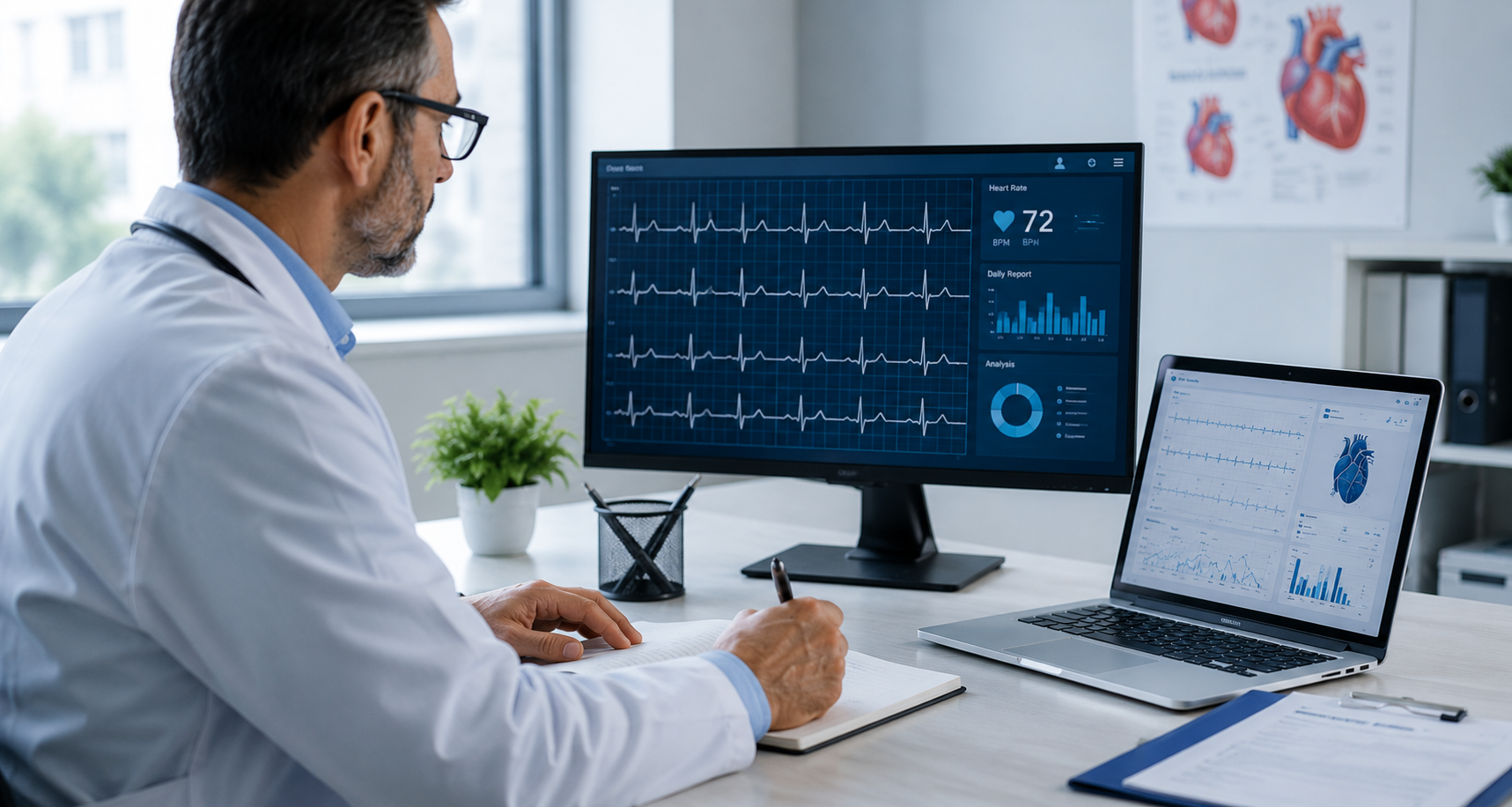
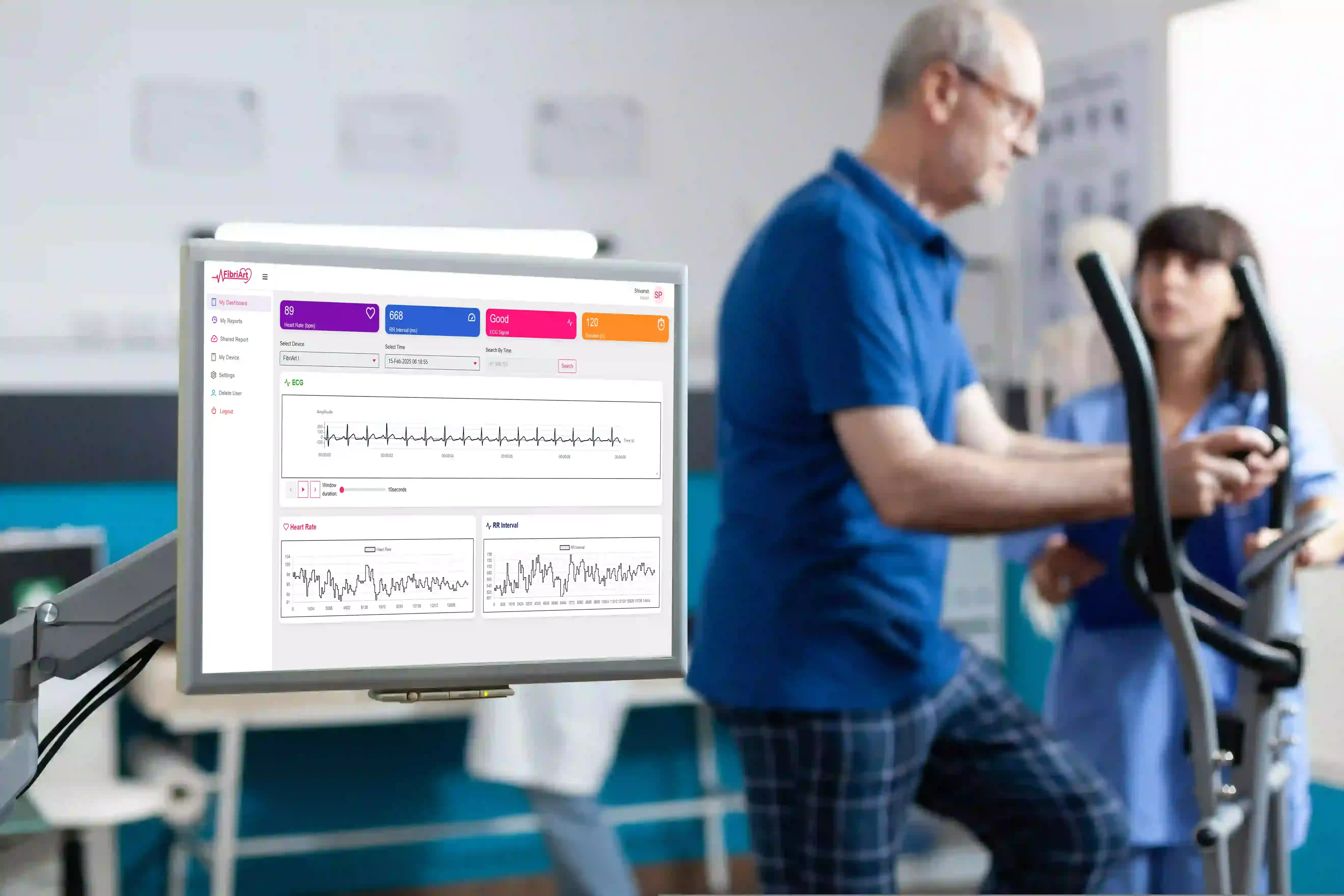
Instead of requiring patients to visit clinics repeatedly, physicians can review ECG data collected remotely, allowing clinical decisions to be based on a broader picture of cardiac health.
This approach offers advantages for both patients and healthcare providers.
Patients spend less time traveling to appointments while continuing normal daily activities. Healthcare professionals gain access to richer diagnostic information without increasing hospital workload.
As healthcare systems look for ways to improve efficiency while delivering personalized care, ambulatory cardiac monitoring has become an important part of this transition.
Artificial Intelligence Is Supporting Faster ECG Analysis
Continuous ECG monitoring generates an enormous amount of data.
Reviewing every heartbeat manually is time-consuming, especially during long-term monitoring.
Artificial intelligence is helping address this challenge by assisting clinicians in identifying ECG patterns that may require closer attention.
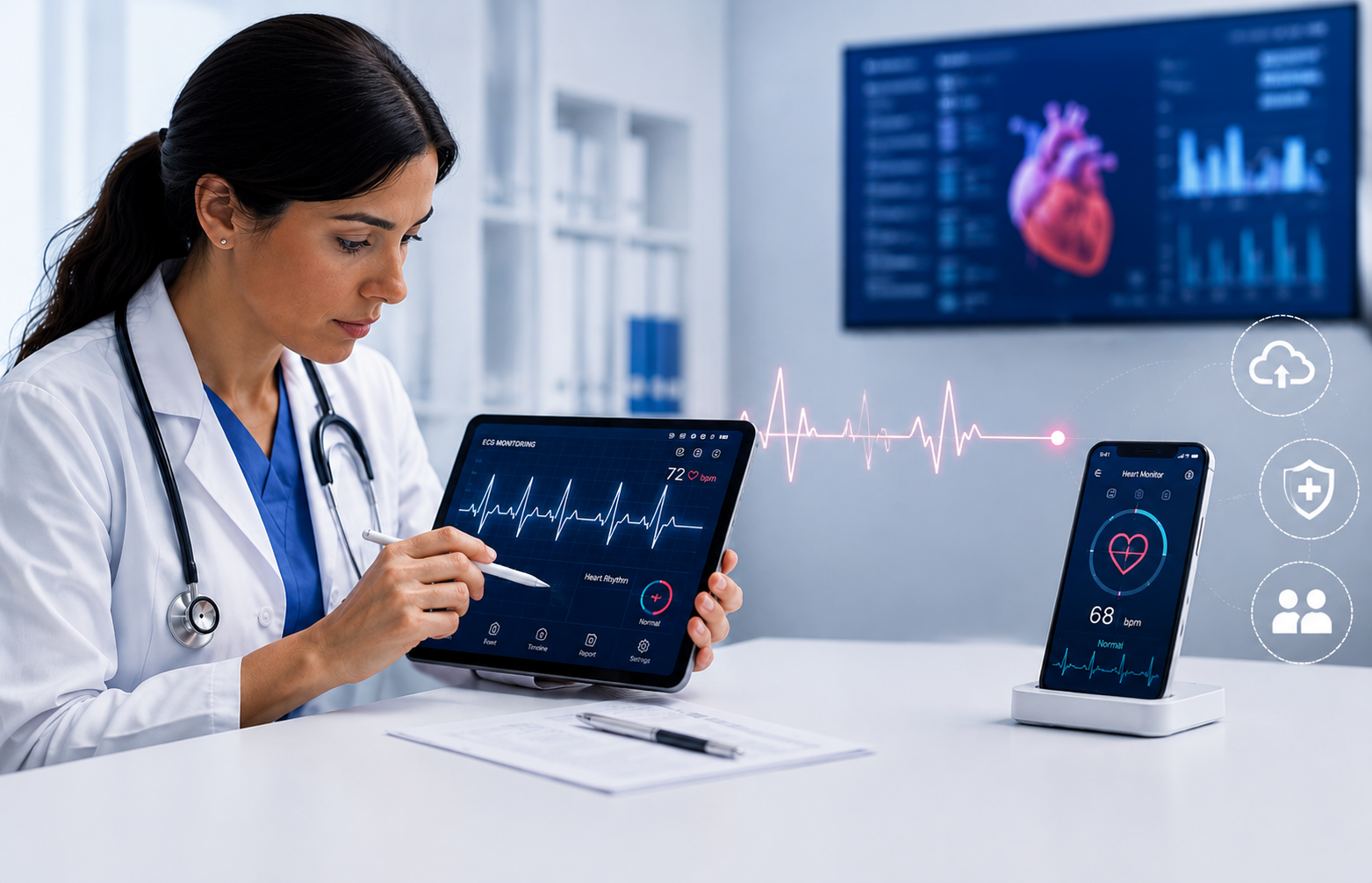
Modern AI-powered platforms can automatically highlight potential episodes of atrial fibrillation, pauses, tachycardia, bradycardia, and other rhythm abnormalities. Rather than replacing physicians, AI helps prioritize clinically significant events so healthcare professionals can focus their attention where it matters most.
Combined with cloud-based ECG platforms, AI is making ambulatory monitoring more efficient while supporting faster clinical decision-making.
The final diagnosis, however, always remains in the hands of qualified healthcare professionals.
Which Patients Benefit Most?
Ambulatory cardiac monitoring is valuable across a wide range of clinical situations.
It is commonly recommended for patients experiencing unexplained palpitations, recurrent dizziness, fainting episodes, or suspected intermittent arrhythmias.
Long-term ECG monitoring may also be useful for:
- Patients with suspected atrial fibrillation.
- Individuals recovering from cardiac procedures.
- Patients starting or changing antiarrhythmic medications.
- Stroke patients requiring rhythm evaluation.
- Individuals with inherited cardiac conditions requiring ongoing surveillance.
Because monitoring takes place during everyday life, clinicians often obtain a more accurate picture of the patient's cardiac rhythm than would be possible during a brief hospital assessment.
Looking Ahead: The Future of Cardiac Monitoring
The future of cardiac care is becoming increasingly connected, predictive, and patient-centered.
Wearable ECG technology continues to evolve, offering longer battery life, improved signal quality, wireless connectivity, and greater integration with digital health platforms.
Future ambulatory monitoring systems are expected to combine continuous ECG recording with advanced analytics, enabling earlier identification of cardiac abnormalities before symptoms become severe.
As remote healthcare expands, the ability to monitor patients outside hospitals will become an increasingly important component of preventive cardiology.
Rather than reacting to cardiac events after they occur, healthcare providers are moving toward identifying risks earlier and intervening sooner.
Conclusion
The shift from clinic-based testing to home-based ambulatory cardiac monitoring represents more than a technological advancement; it reflects a broader transformation in how cardiovascular care is delivered.
By extending monitoring beyond the hospital, clinicians gain access to richer, more meaningful ECG data collected during everyday life. Patients benefit from greater comfort, fewer disruptions to their routine, and a monitoring experience that fits naturally into their lifestyle.
As wearable ECG devices, artificial intelligence, and remote patient monitoring continue to advance, ambulatory cardiac monitoring is poised to become an integral part of modern cardiac diagnostics. It enables healthcare professionals to detect intermittent arrhythmias with greater confidence while bringing cardiac care closer to where patients spend most of their time: at home.
Frequently Asked Questions
Ambulatory cardiac monitoring is the continuous recording of heart activity using wearable ECG devices while a patient performs normal daily activities outside a hospital or clinic.
A standard ECG records only a few seconds of heart activity, whereas ambulatory monitoring continuously records ECG signals over days or weeks, increasing the likelihood of detecting intermittent arrhythmias.
It is commonly recommended for patients experiencing unexplained palpitations, dizziness, fainting, suspected atrial fibrillation, or other symptoms that occur intermittently.
Modern wearable ECG monitors are lightweight, discreet, and designed for extended use, allowing patients to continue most daily activities while being monitored.
Many heart rhythm disorders occur unpredictably. Longer monitoring periods improve the chances of capturing these events, supporting earlier and more accurate diagnosis.
References
- World Health Organization (WHO). Cardiovascular Diseases (CVDs).
- American Heart Association (AHA). Heart Disease and Stroke Statistics.
- Hindricks G, Potpara T, Dagres N, et al. 2020 ESC Guidelines for the Diagnosis and Management of Atrial Fibrillation. European Heart Journal. 2021.
- Barrett PM, Komatireddy R, Haaser S, et al. Comparison of 24-Hour Holter Monitoring with 14-Day Adhesive Patch Electrocardiographic Monitoring. The American Journal of Medicine. 2014.
- Steinhubl SR, Waalen J, Edwards AM, et al. Effect of a Home-Based Wearable Continuous ECG Monitoring Patch on Detection of Undiagnosed Atrial Fibrillation. JAMA. 2018.
- Heart Rhythm Society. Clinical Guidance on Ambulatory Electrocardiographic Monitoring.
- National Institute for Health and Care Excellence (NICE). Atrial Fibrillation: Diagnosis and Management (NG196).
Recent Posts




Limitations of Traditional Cardiac Monitoring Devices
March 25, 2026
How Fibriart-I ECG Patch Fits Into Your Clinic Workflow
March 11, 2026

Common Cardiac Rhythm Disorders and How They Often Go Undetected
February 05, 2026




The Future of Heart Health: How Wearable Heart Monitors Saving Lives
February 20, 2025