Heart disease remains one of the leading health concerns worldwide, but the way cardiologists monitor and manage cardiac conditions is rapidly changing. Traditional ECG tests performed inside hospitals or clinics often capture only a brief snapshot of the heart’s activity. For many patients, especially those experiencing occasional symptoms like palpitations, dizziness, or irregular heartbeats, these short recordings may miss clinically important events.
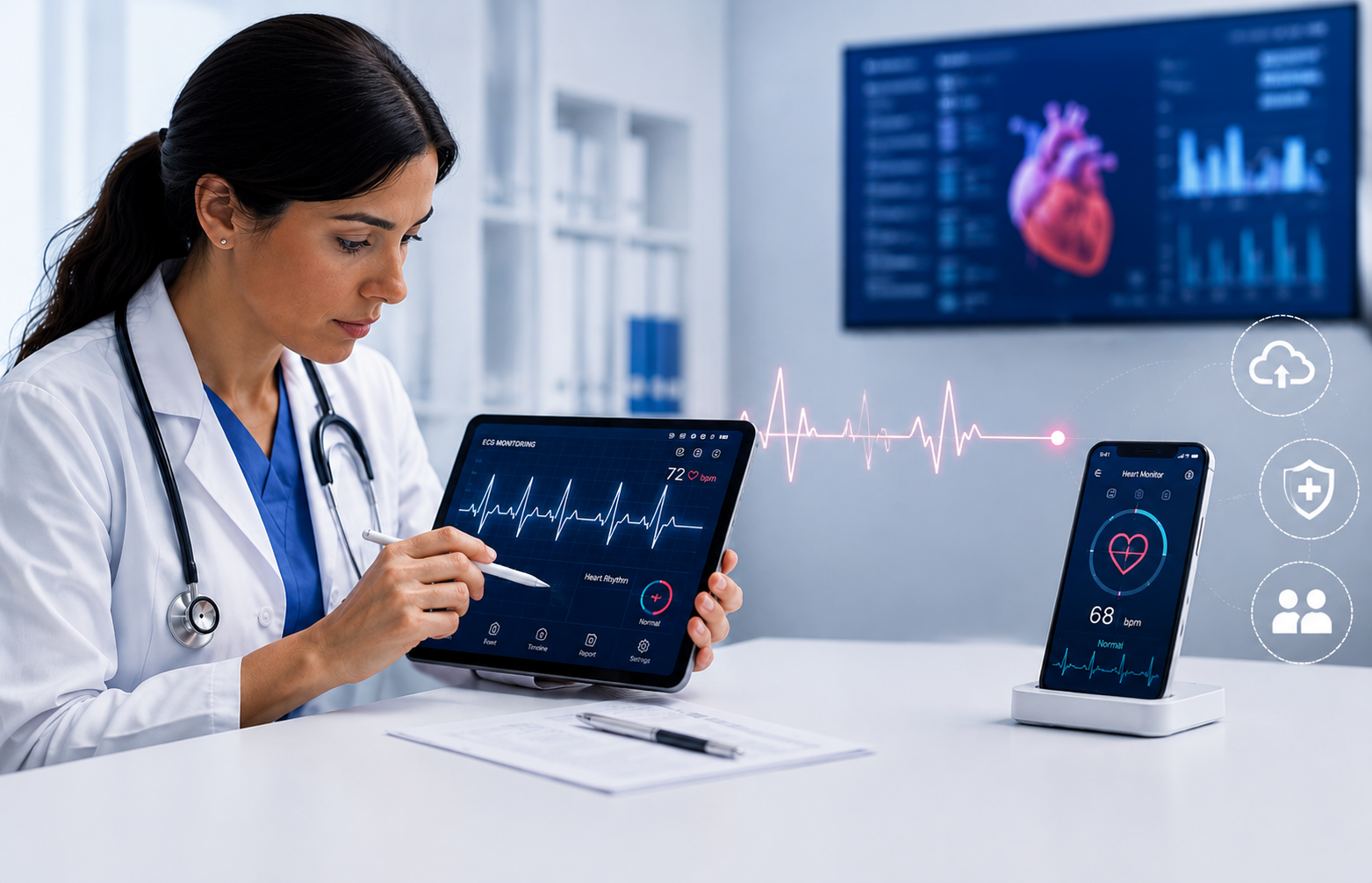
This is where wearable ECG monitors are transforming modern cardiology. By enabling continuous, real-time heart rhythm monitoring outside the hospital, wearable ECG devices are helping cardiologists detect abnormalities earlier, monitor patients remotely, and make faster clinical decisions. At the same time, these devices give patients greater comfort, mobility, and peace of mind in their daily lives.
Today, wearable ECG monitoring is no longer just a technology trend. It has become an important part of digital cardiology, remote patient monitoring, and preventive cardiac care.
Understanding the Traditional Cardiology Workflow
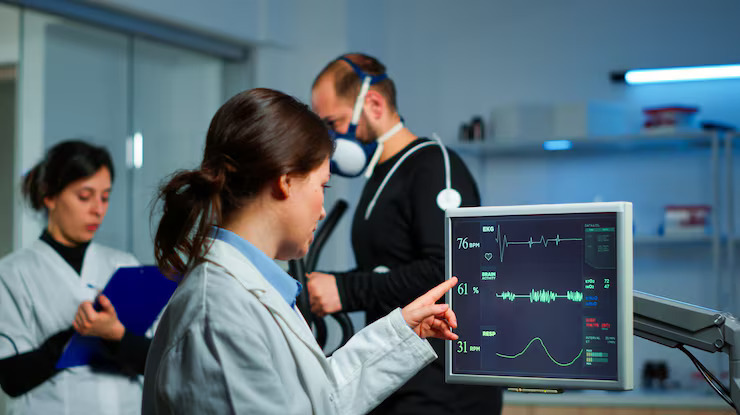
For decades, cardiologists relied heavily on in-clinic ECGs and short-duration Holter monitors to evaluate heart rhythm abnormalities. While these tools remain clinically valuable, they also have limitations.
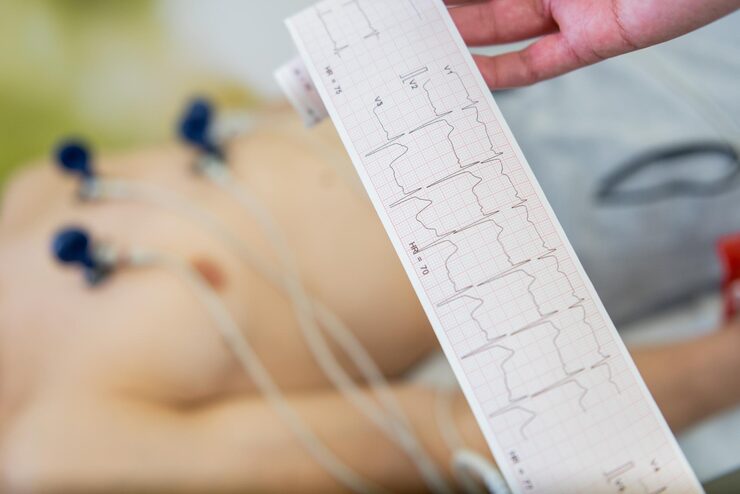
A standard electrocardiogram (ECG) records the electrical activity of the heart for only a few seconds. If a patient experiences intermittent arrhythmias or occasional cardiac symptoms, the abnormal event may not occur during the test.
Holter monitoring extended monitoring capabilities to 24–48 hours, but even this may not capture infrequent episodes. Patients also often find traditional Holter systems uncomfortable because of multiple wired electrodes and bulky devices.
As cardiovascular diseases increase globally and healthcare systems move toward remote care models, cardiologists require solutions that provide:
- Longer monitoring duration
- Better patient compliance
- Faster access to ECG data
- Improved workflow efficiency
- Early detection of cardiac abnormalities
Wearable ECG monitors address many of these challenges by enabling continuous cardiac monitoring in real-world environments.
What Is a Wearable ECG Monitor?
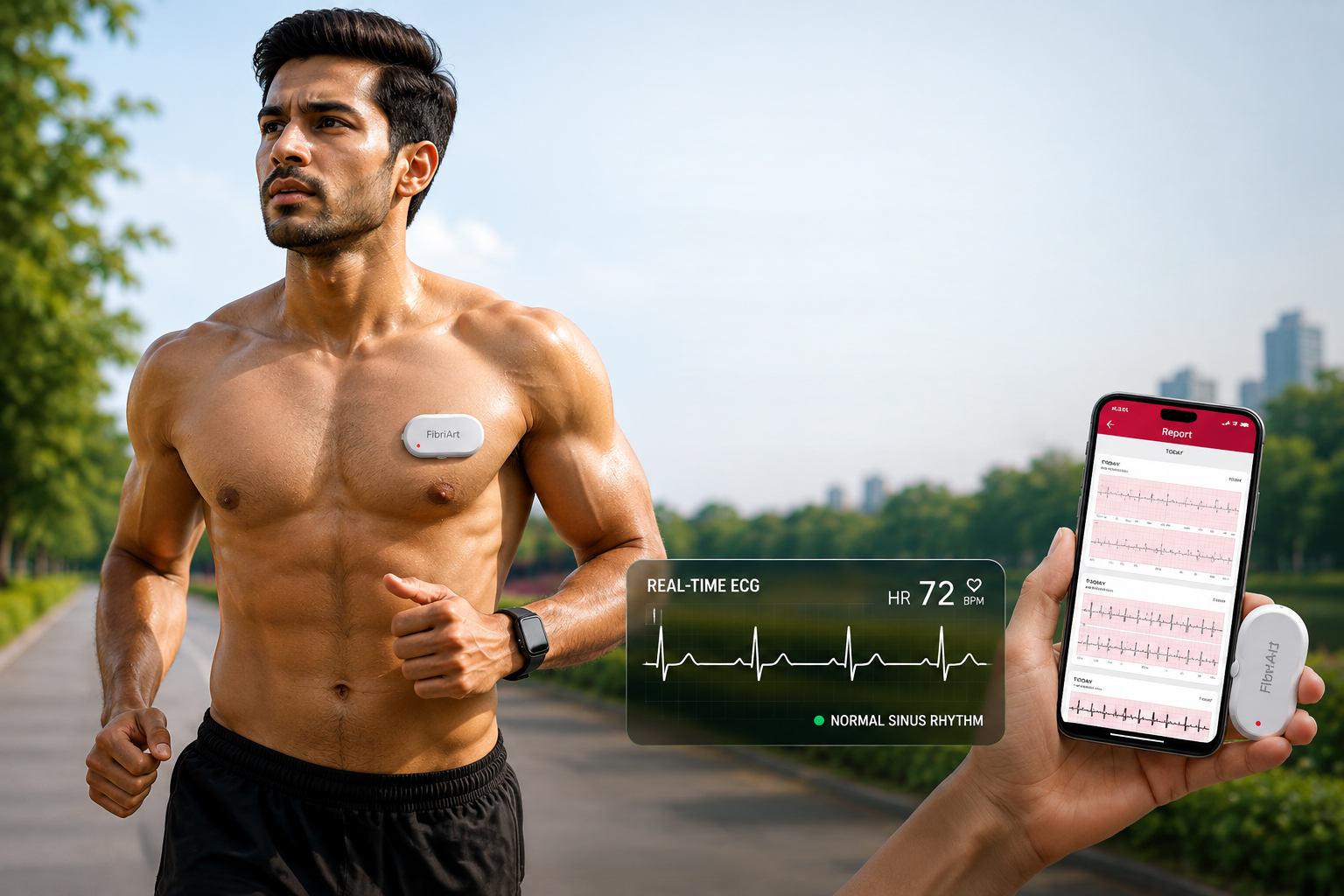
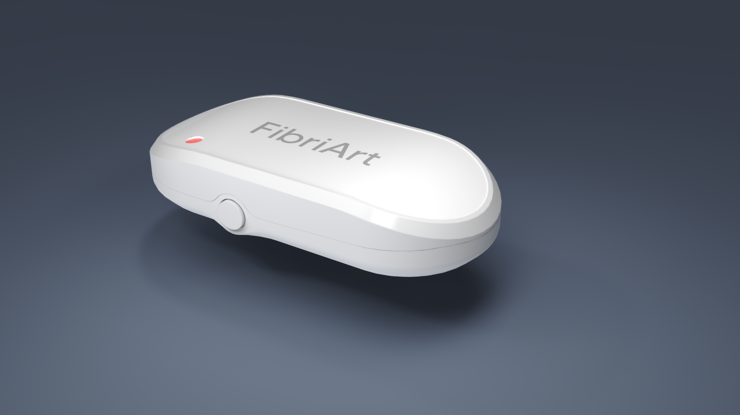
A wearable ECG monitor is a portable medical device designed to continuously record the electrical activity of the heart while patients continue their normal daily routines. Unlike conventional ECG systems that require hospital visits, wearable ECG devices allow long-term ambulatory monitoring from home, work, or during physical activity.
These devices may be available as:
- ECG patches
- Chest-worn monitors
- Smart wearable sensors
- Mobile-connected cardiac monitoring systems
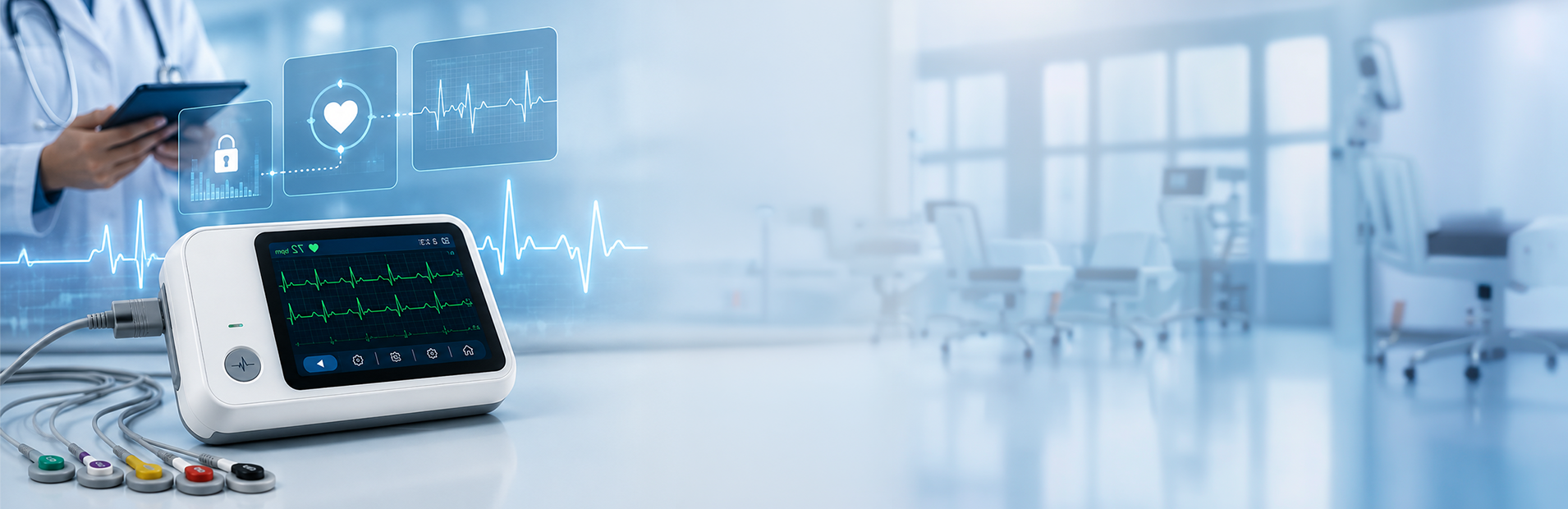
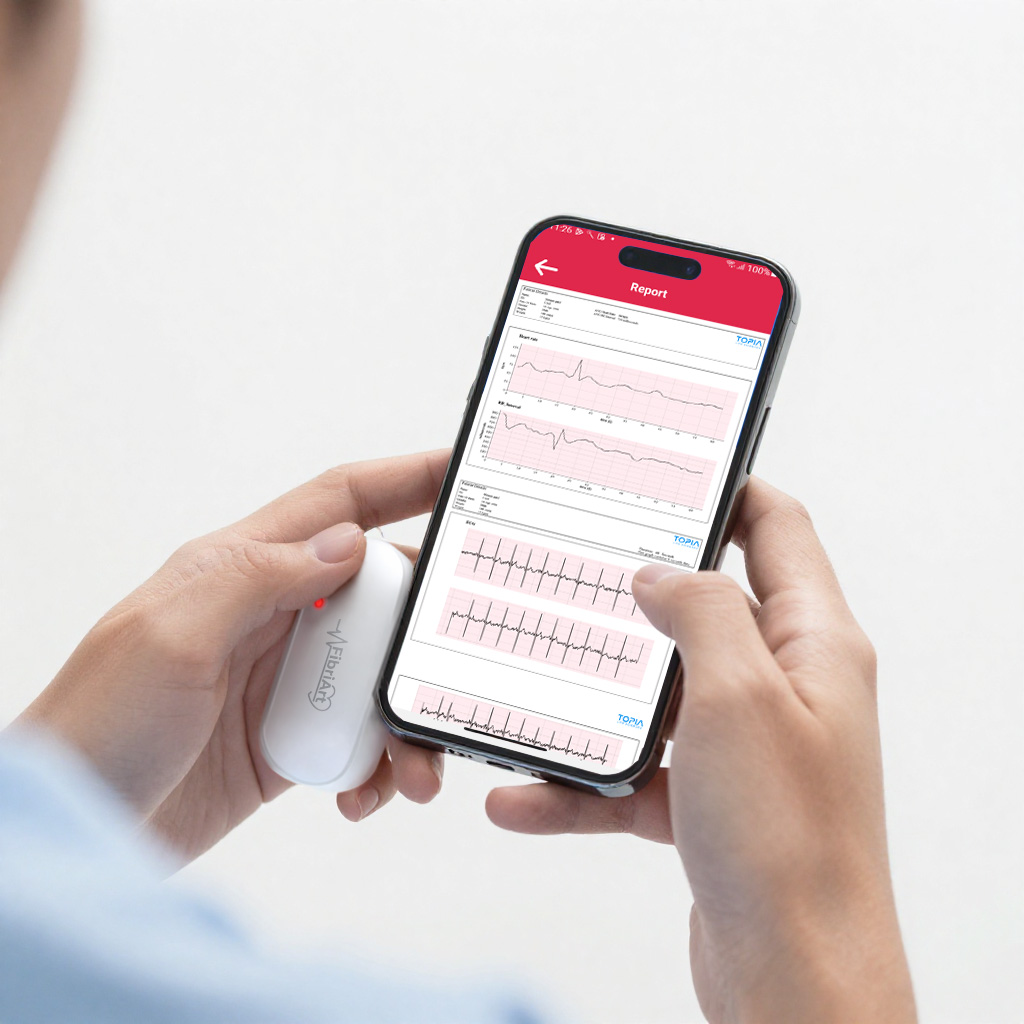
Most modern wearable ECG monitors combine compact hardware, wireless connectivity, cloud-based data transmission, and AI-assisted analysis to support both patients and healthcare providers.
According to the American Heart Association, continuous cardiac monitoring plays a significant role in improving arrhythmia detection and long-term cardiovascular management[1].
How Wearable ECG Monitoring Fits into a Cardiologist’s Workflow
Wearable ECG technology is not simply replacing traditional monitoring. It is enhancing the entire cardiology workflow from diagnosis to long-term patient management.
Patient Enrollment and Device Setup
The workflow begins when a cardiologist identifies a patient who requires continuous ECG monitoring. Common reasons include:
- Palpitations
- Suspected atrial fibrillation
- Syncope or unexplained fainting
- Post-cardiac procedure monitoring
- High-risk cardiovascular patients
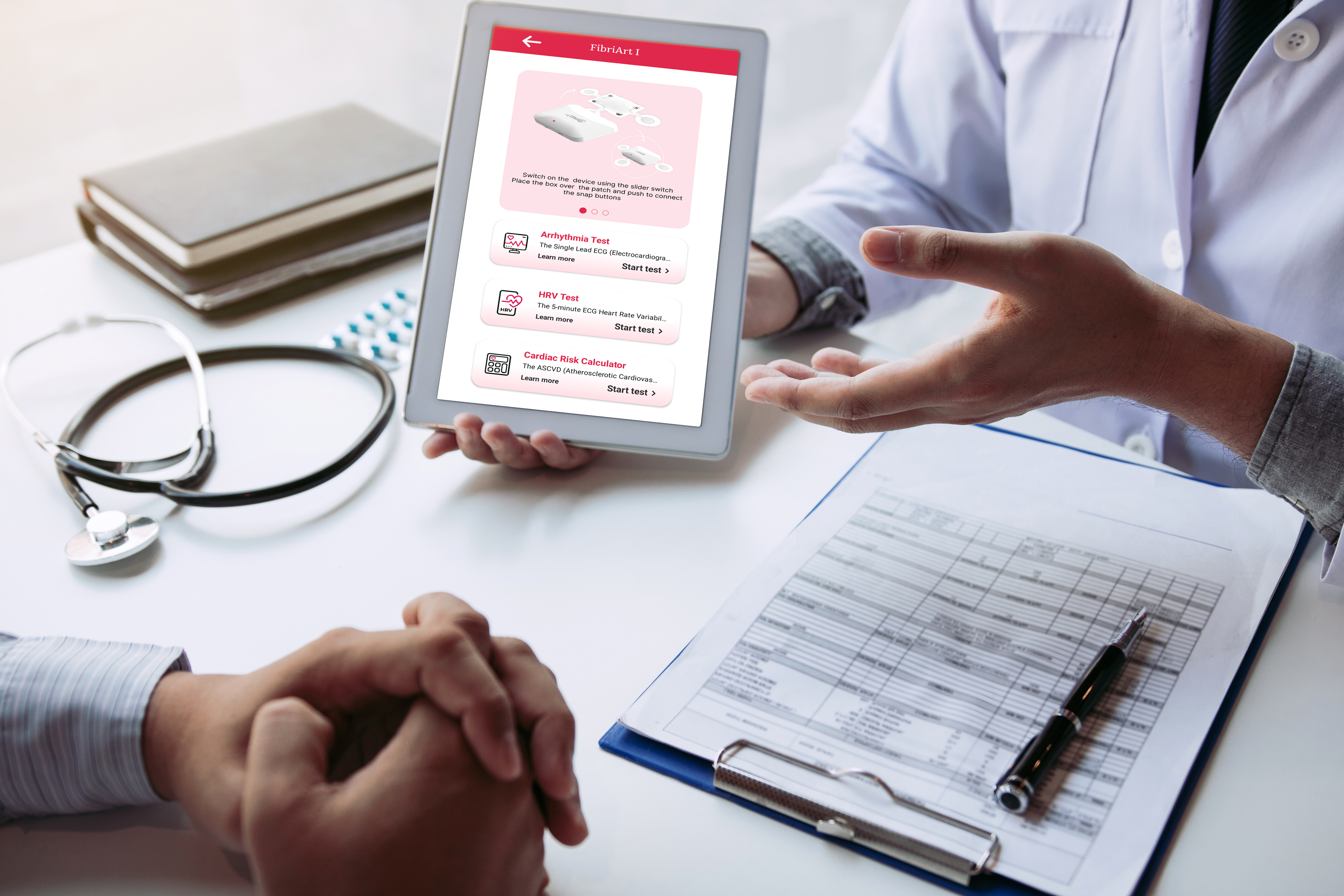
Patients receive a wearable ECG monitor that is lightweight, minimally invasive, and easy to use. Most systems are designed for rapid onboarding with mobile app integration and wireless data connectivity.
For patients, this means fewer hospital visits and greater convenience. For clinicians, it improves scalability and remote patient management.
Continuous ECG Monitoring During Daily Life
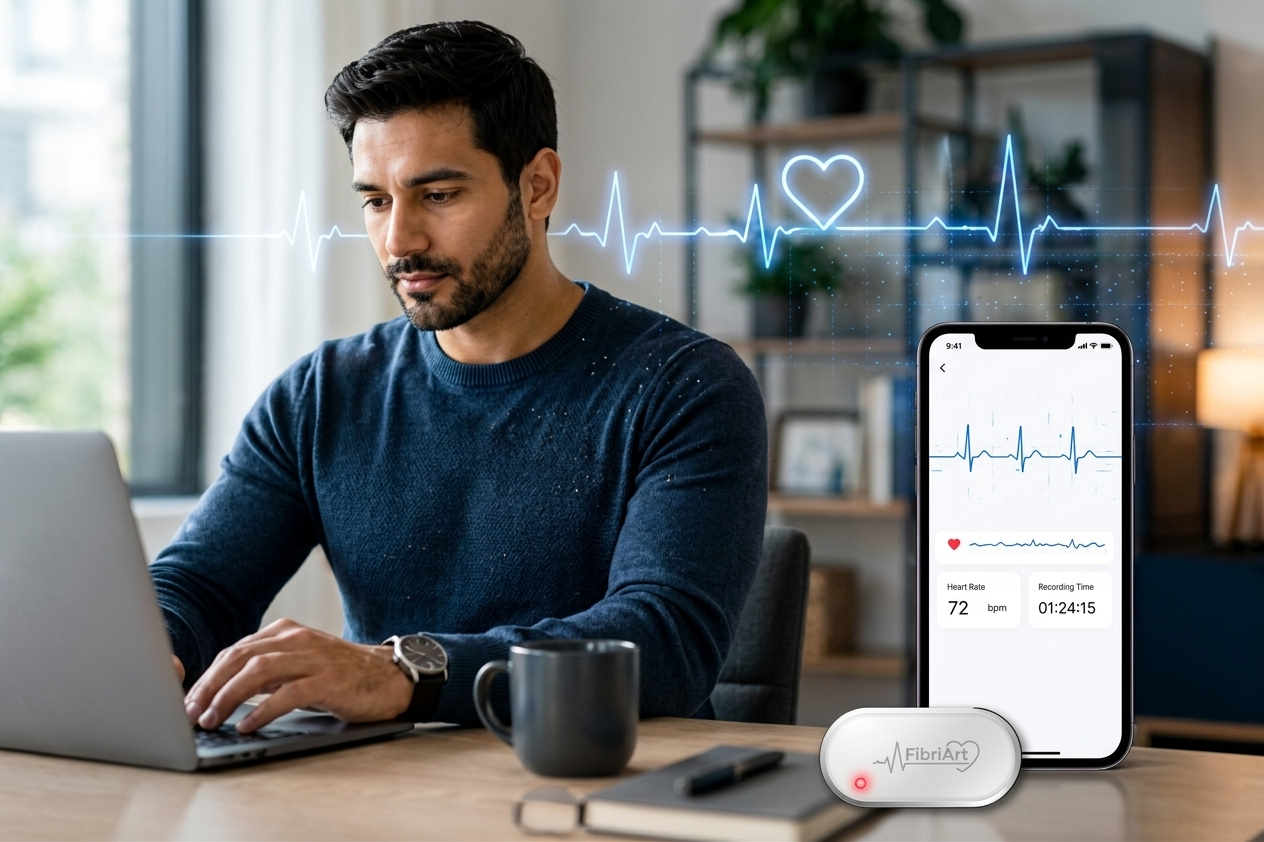
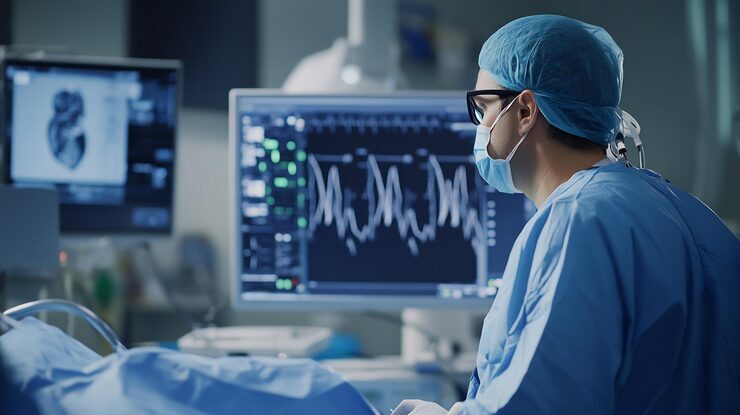
One of the biggest advantages of wearable ECG monitors is the ability to collect cardiac data continuously during normal daily activities.
Traditional ECG testing occurs in controlled clinical environments, but many cardiac events happen unpredictably during sleep, exercise, stress, or routine activity. Continuous wearable monitoring increases the likelihood of detecting clinically significant arrhythmias that may otherwise go unnoticed.
This is particularly valuable for identifying:
- Intermittent atrial fibrillation (AFib)
- Bradycardia
- Tachycardia
- Premature ventricular contractions (PVCs)
- Silent or asymptomatic arrhythmias
Because monitoring occurs outside the hospital, cardiologists receive a more realistic picture of a patient’s heart rhythm patterns over time.
Real-Time Data Transmission and Remote Access
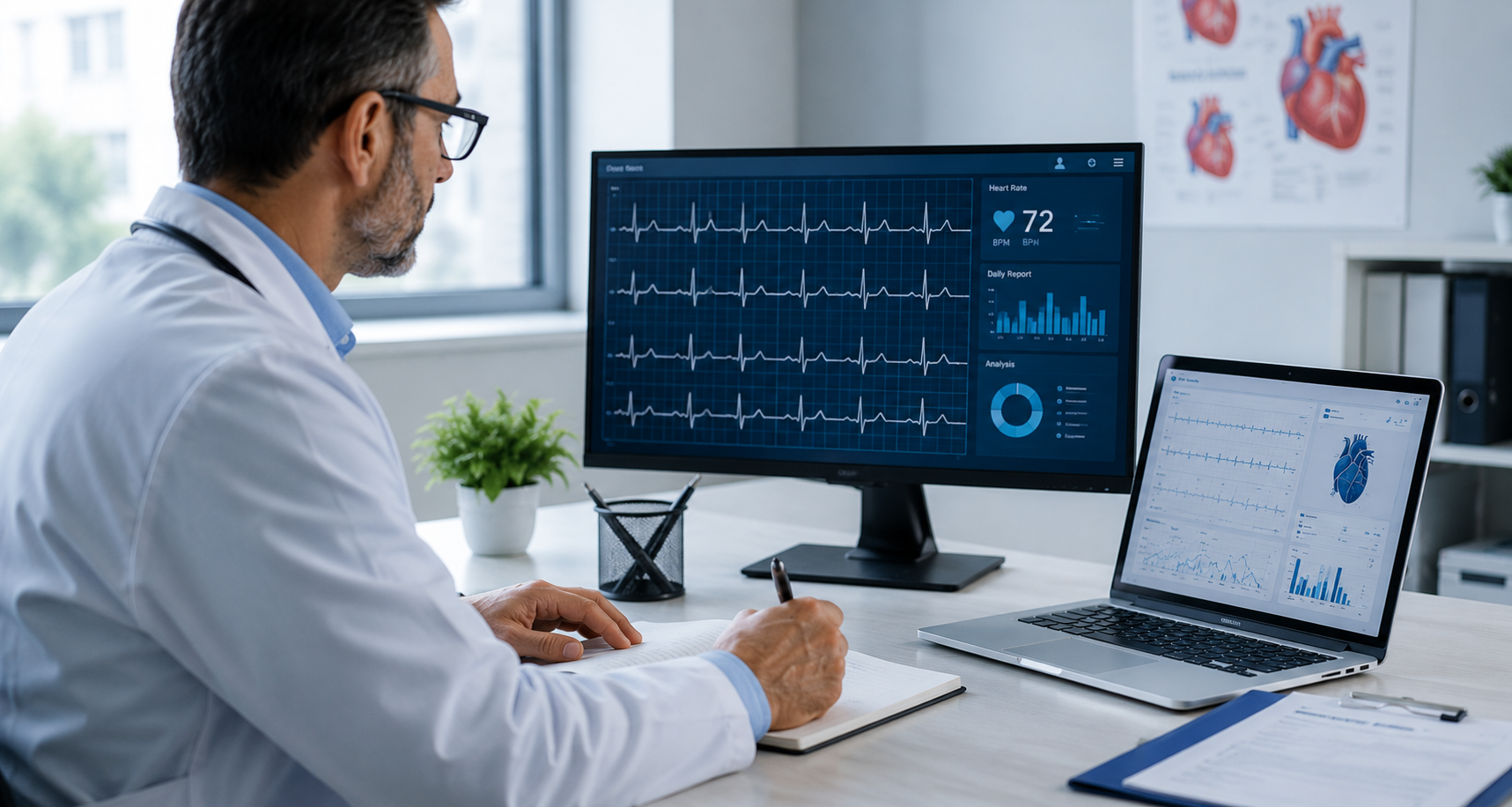
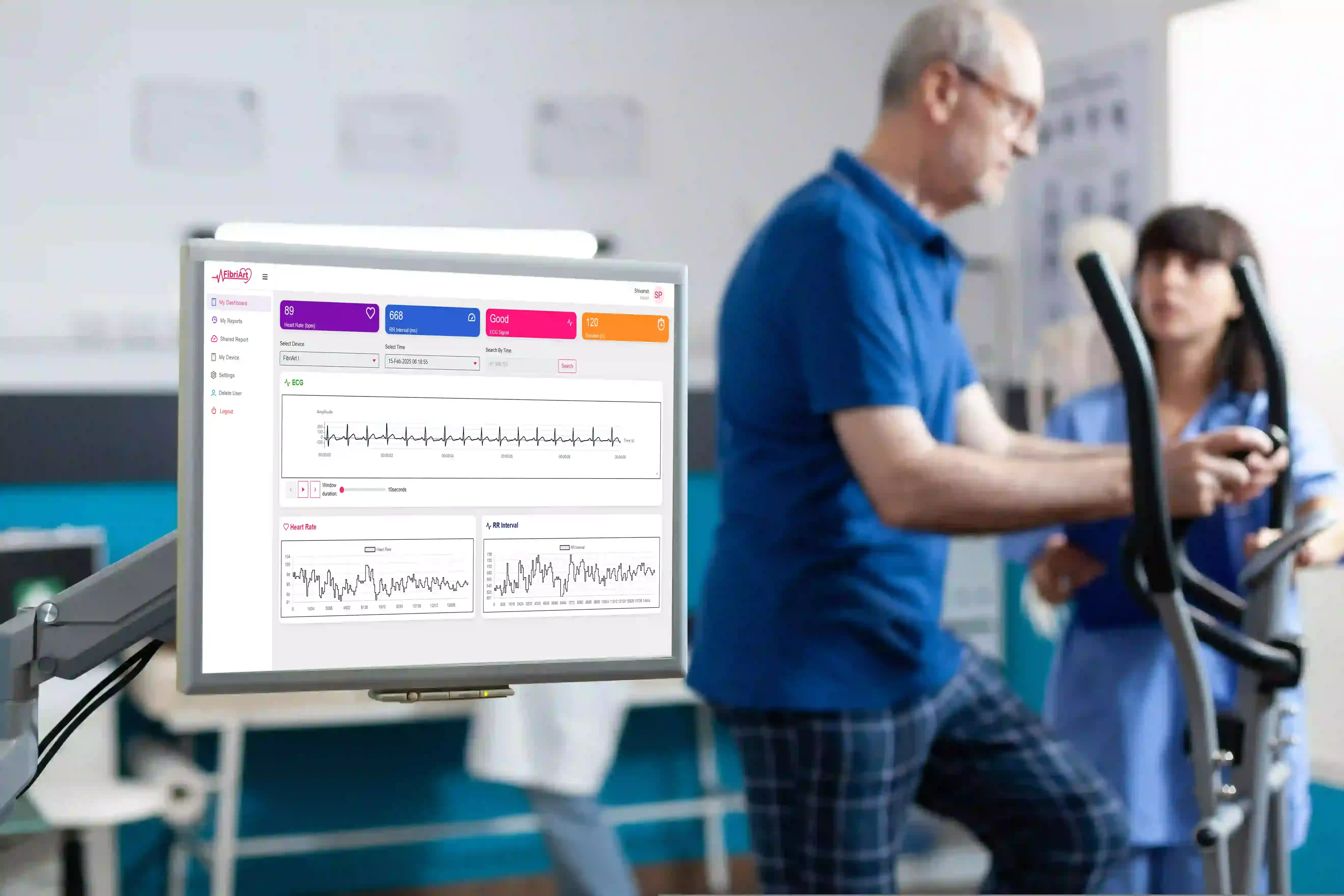
Modern wearable ECG systems are often integrated with cloud-based platforms that securely transmit ECG data to healthcare providers.
This allows cardiologists to:
- Access patient ECG data remotely
- Monitor multiple patients simultaneously
- Review flagged cardiac events faster
- Reduce delays in diagnosis
Remote ECG access became especially important during the growth of telemedicine and virtual healthcare services. Studies published in the European Society of Cardiology guidelines have highlighted the growing importance of digital health technologies in cardiovascular care[2].
For patients living in rural or underserved areas, wearable ECG monitoring can significantly improve access to specialized cardiac care without requiring frequent travel.
AI-Assisted ECG Analysis Improves Efficiency
One of the most transformative developments in wearable ECG technology is the integration of artificial intelligence (AI).
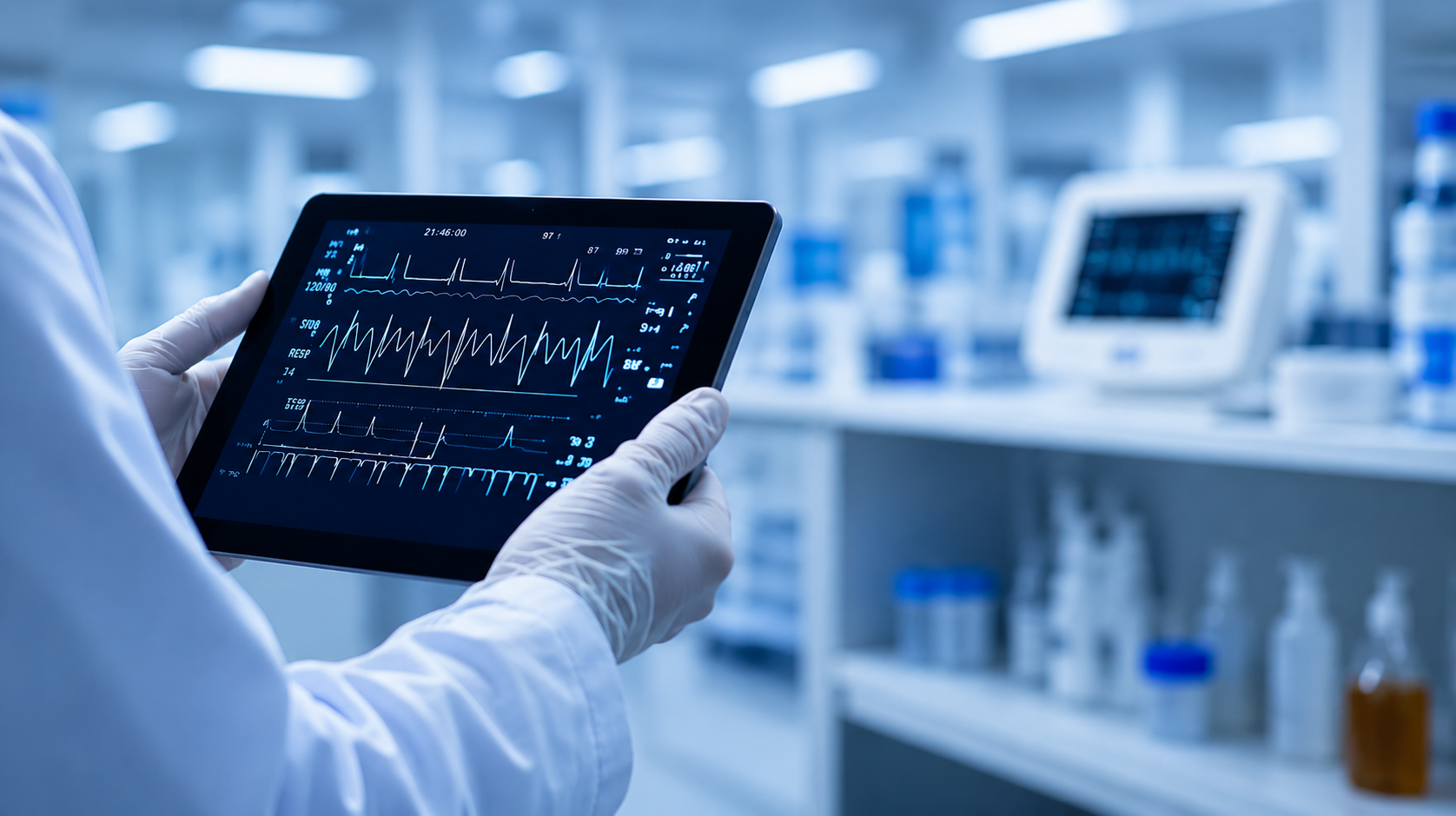
Modern systems can automatically analyze large volumes of ECG data and identify patterns associated with abnormal heart rhythms. AI-assisted algorithms help prioritize clinically important events so cardiologists can focus on cases requiring urgent attention.
This improves workflow efficiency by:
- Reducing manual review burden
- Accelerating arrhythmia detection
- Supporting earlier clinical intervention
- Improving diagnostic turnaround time
Importantly, AI does not replace cardiologists. Instead, it acts as a clinical support tool that helps healthcare professionals manage increasing volumes of cardiac data more effectively.
Faster Clinical Decision-Making
Continuous wearable ECG monitoring gives cardiologists access to actionable cardiac insights sooner than traditional episodic testing.
When abnormal heart rhythms are detected early, clinicians can respond more quickly through:
- Medication adjustments
- Additional diagnostic testing
- Lifestyle recommendations
- Emergency interventions when necessary
- Follow-up scheduling
Earlier detection may help reduce complications associated with untreated arrhythmias, including stroke risk in patients with atrial fibrillation.
The Centers for Disease Control and Prevention reports that atrial fibrillation significantly increases the risk of stroke, making timely detection critically important[3].
How Wearable ECG Monitoring Benefits Patients
While wearable ECG systems improve cardiology workflows, they also create meaningful benefits for patients.
Greater Comfort and Convenience
Modern wearable ECG monitors are designed for long-term use with minimal disruption to daily life. Compared to traditional wired Holter systems, wearable devices are often:
- Smaller
- Lighter
- Wireless
- More comfortable for extended wear
This improves patient compliance and increases the likelihood of obtaining high-quality cardiac data.
Reduced Need for Frequent Hospital Visits
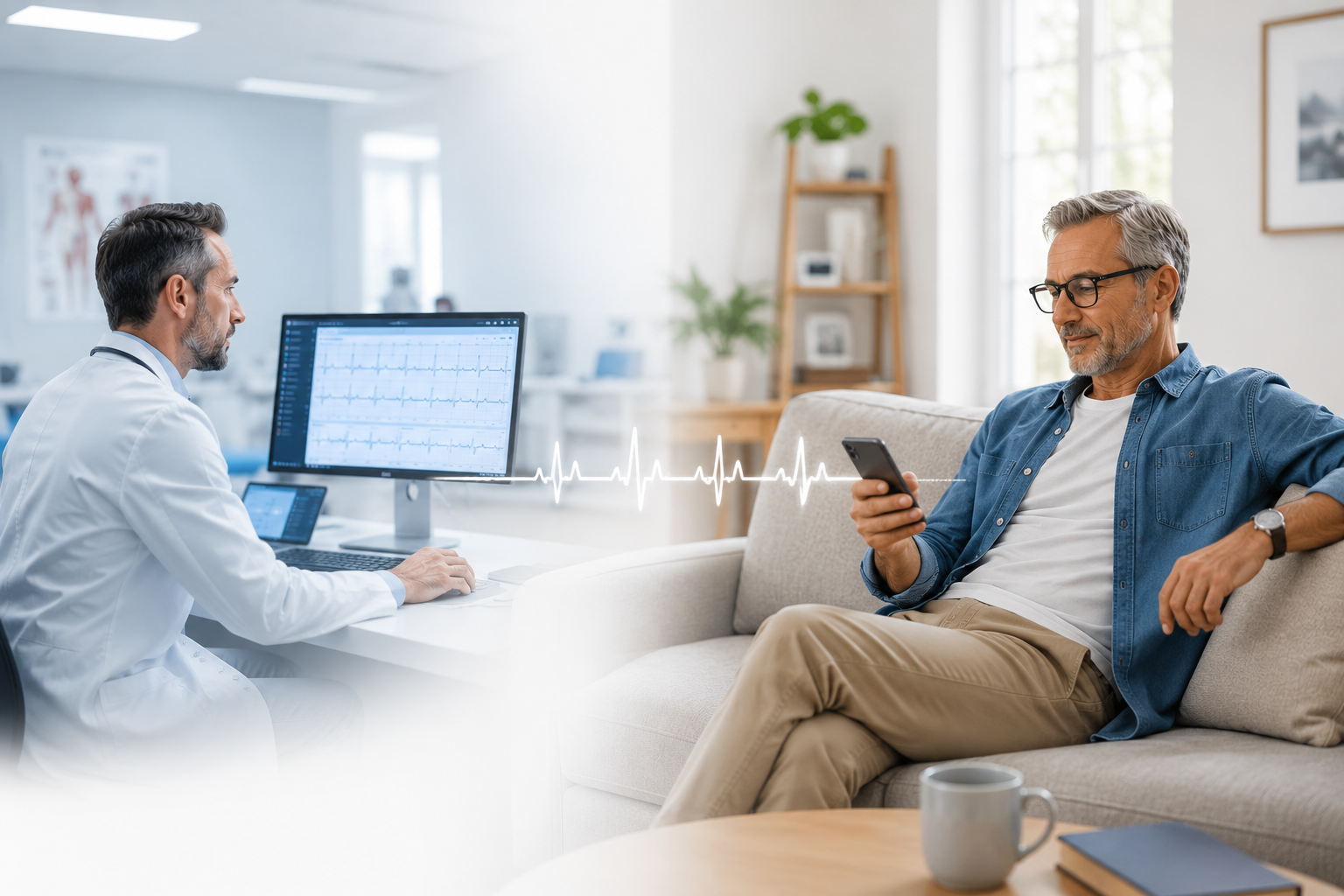
Remote cardiac monitoring allows patients to stay connected with their cardiologist without repeated clinic appointments.
This is particularly beneficial for:
- Elderly patients
- Patients recovering from cardiac procedures
- Individuals in remote locations
- Patients requiring long-term monitoring
Healthcare providers can review ECG data remotely and determine whether further evaluation is necessary.
The Growing Role of Wearable ECG Devices in Telecardiology
Telemedicine is reshaping cardiovascular healthcare, and wearable ECG monitors are becoming central to this transition.
By integrating wearable cardiac monitoring into telecardiology workflows, healthcare providers can:
- Deliver remote cardiac care
- Improve continuity of monitoring
- Support preventive cardiology
- Enable earlier intervention
As healthcare systems increasingly adopt digital health technologies, wearable ECG monitoring is expected to play an even larger role in outpatient cardiac management.
Clinical Accuracy and Reliability Matter
For wearable ECG technology to become clinically useful, accuracy and reliability are essential.
Modern medical-grade wearable ECG devices undergo clinical validation to ensure:
- Reliable ECG signal quality
- Accurate arrhythmia detection
- Secure data handling
- Consistent long-term performance
Clinically validated wearable ECG monitors help build trust among both healthcare professionals and patients.
According to research published in the National Institutes of Health, wearable ECG technologies continue to show strong potential in long-term arrhythmia monitoring and digital cardiac care[4].
The Future of Wearable ECG Monitoring in Cardiology
The future of cardiology is becoming increasingly data-driven, connected, and preventive.
Emerging innovations in wearable ECG technology may soon support:
- Predictive cardiac analytics
- Earlier cardiovascular risk identification
- Continuous outpatient cardiac management
- AI-driven preventive cardiology
- Integration with hospital electronic medical record systems
As healthcare providers continue shifting toward personalized and remote care models, wearable ECG monitors are expected to become a routine part of cardiovascular disease management.
Conclusion
Wearable ECG monitors are transforming how cardiologists diagnose, monitor, and manage heart conditions. By enabling continuous cardiac monitoring, remote access to ECG data, and AI-assisted analysis, these devices help clinicians detect abnormalities earlier and improve workflow efficiency.
For patients, wearable ECG technology offers greater convenience, comfort, and access to ongoing cardiac care without disrupting everyday life.
As digital health and remote patient monitoring continue to evolve, wearable ECG monitoring is becoming more than just a technological advancement. It is becoming an essential component of modern cardiology workflows focused on earlier diagnosis, better patient outcomes, and more connected healthcare delivery.
Frequently Asked Questions (FAQs)
A wearable ECG monitor continuously records the electrical activity of the heart using sensors attached to the body. The device transmits ECG data wirelessly so healthcare providers can review heart rhythm patterns remotely.
Yes. Wearable ECG monitors are commonly used to detect arrhythmias such as atrial fibrillation, tachycardia, bradycardia, and intermittent irregular heart rhythms that may not appear during short ECG tests.
Clinically validated wearable ECG devices are designed to provide reliable ECG recordings and accurate arrhythmia detection. However, device accuracy may vary depending on design, signal quality, and clinical use conditions.
A Holter monitor typically records ECG activity for 24–48 hours using wired electrodes, while modern wearable ECG monitors may support longer-term, wireless, and more comfortable continuous monitoring.
Wearable ECG monitors allow cardiologists to monitor patients remotely, review cardiac events faster, and reduce unnecessary hospital visits while maintaining continuous cardiac oversight.
References
Recent Posts


Limitations of Traditional Cardiac Monitoring Devices
March 25, 2026
How Fibriart-I ECG Patch Fits Into Your Clinic Workflow
March 11, 2026
Common Cardiac Rhythm Disorders and How They Often Go Undetected
February 05, 2026




The Future of Heart Health: How Wearable Heart Monitors Saving Lives
February 20, 2025