A routine ECG provides only a brief snapshot of the heart's electrical activity. While it can detect many cardiac abnormalities, it may not capture irregular heart rhythms that occur occasionally or without warning. For patients experiencing intermittent symptoms such as palpitations, dizziness, or unexplained fainting, long-term ECG monitoring offers a more reliable way to identify underlying heart rhythm disorders.
Advances in ambulatory cardiac monitoring have made it possible for patients to continue their daily lives while their heart activity is monitored over several days or weeks. However, the effectiveness of any ECG monitoring device depends on one crucial factor—patient compliance. If a patient removes the device early or does not wear it as instructed, valuable clinical data may be lost. This article explores why patient compliance matters, the challenges that affect it, and how comfort and simplicity can improve both the patient experience and diagnostic outcomes.
Understanding Long-Term ECG Monitoring
Heart rhythm disorders are not always easy to detect. Many conditions, including atrial fibrillation (AFib) and other arrhythmias, occur sporadically, meaning they may not appear during a standard ECG performed in a hospital or clinic. As a result, patients can continue experiencing symptoms without receiving a clear diagnosis.
This is where long term ECG monitoring plays an important role. Instead of recording the heart's activity for just a few seconds, it continuously captures electrical signals over an extended period. Depending on the patient's condition, monitoring may last anywhere from a few days to several weeks, allowing clinicians to observe heart rhythms during normal daily activities.
Unlike traditional hospital-based testing, ambulatory ECG monitoring enables patients to remain at home, work, or travel while wearing the device. This real-world monitoring environment often provides a more accurate picture of how the heart behaves during everyday life, making it easier to identify abnormalities that might otherwise be missed.
Healthcare providers commonly recommend a long term heart monitor for patients who experience:
- Irregular heartbeats or palpitations
- Unexplained dizziness or fainting
- Suspected atrial fibrillation
- Symptoms that occur infrequently
- Follow-up monitoring after cardiac treatment or procedures
The longer the monitoring period, the greater the opportunity to capture intermittent events. This is why continuous ECG monitoring has become an essential tool for improving arrhythmia detection and supporting timely clinical decisions.
Why Patient Compliance Is Critical in Long-Term Heart Monitoring
Even the most advanced monitoring technology cannot provide meaningful results if it is not used correctly. For long term ECG monitoring to deliver accurate and actionable data, patients must wear the device consistently for the full duration recommended by their healthcare provider.
Patient compliance simply means following the prescribed monitoring plan without unnecessary interruptions. While this may seem straightforward, maintaining compliance over several days or weeks can be challenging if the device causes discomfort or interferes with everyday activities.
Every hour of missing ECG data increases the chance of overlooking an abnormal heart rhythm. Conditions such as atrial fibrillation may occur only occasionally, making continuous recording essential. If monitoring is stopped too early, clinicians may need to repeat the test, delaying diagnosis and treatment while increasing healthcare costs.
Consistent heart rhythm monitoring not only improves the quality of the recorded data but also gives healthcare professionals greater confidence when evaluating symptoms and planning the next steps in patient care. In many cases, better compliance translates directly into better diagnostic accuracy.
Common Challenges That Affect Patient Compliance
Although cardiac monitoring technology has advanced considerably, patients still face practical challenges that can affect how consistently they wear their monitoring device. Understanding these barriers is the first step toward improving long-term adherence.
Physical Discomfort
Comfort is one of the most common reasons patients discontinue monitoring earlier than recommended.
Traditional monitoring systems often include multiple wires, adhesive electrodes, and external recording units that can feel bulky during extended wear. Prolonged use may also cause skin irritation or discomfort, particularly for patients with sensitive skin.
When wearing a monitor becomes inconvenient or uncomfortable, patients may remove it temporarily or stop using it altogether. These interruptions reduce the amount of clinically useful data collected and can affect the overall success of the monitoring period.
Daily Lifestyle Limitations
A cardiac monitoring device should support everyday life rather than disrupt it.
Patients are more likely to complete their prescribed monitoring period when they can work, sleep, exercise, and carry out routine activities without constantly thinking about the device. However, older monitoring systems may restrict movement or require extra care during daily tasks, making long-term use less practical.
Modern ambulatory cardiac monitoring devices are increasingly designed to minimise these limitations. By allowing patients to maintain their normal routines, they help improve compliance while providing clinicians with a more realistic picture of heart activity outside the clinical environment.
Device Complexity
Ease of use plays an equally important role in patient adherence.
Some monitoring systems require patients to manage multiple components, replace electrodes, charge recording units, or manually log symptoms throughout the monitoring period. For elderly patients or individuals unfamiliar with medical technology, these additional steps can become confusing or frustrating.
A well-designed ECG monitoring device should simplify the monitoring process rather than add to the patient's burden. Straightforward application, minimal maintenance, and reliable automated recording reduce the likelihood of user error while making the overall experience far more manageable.
How Comfort Improves Patient Compliance
Comfort is more than a desirable feature—it has a direct impact on whether patients complete the recommended monitoring period.
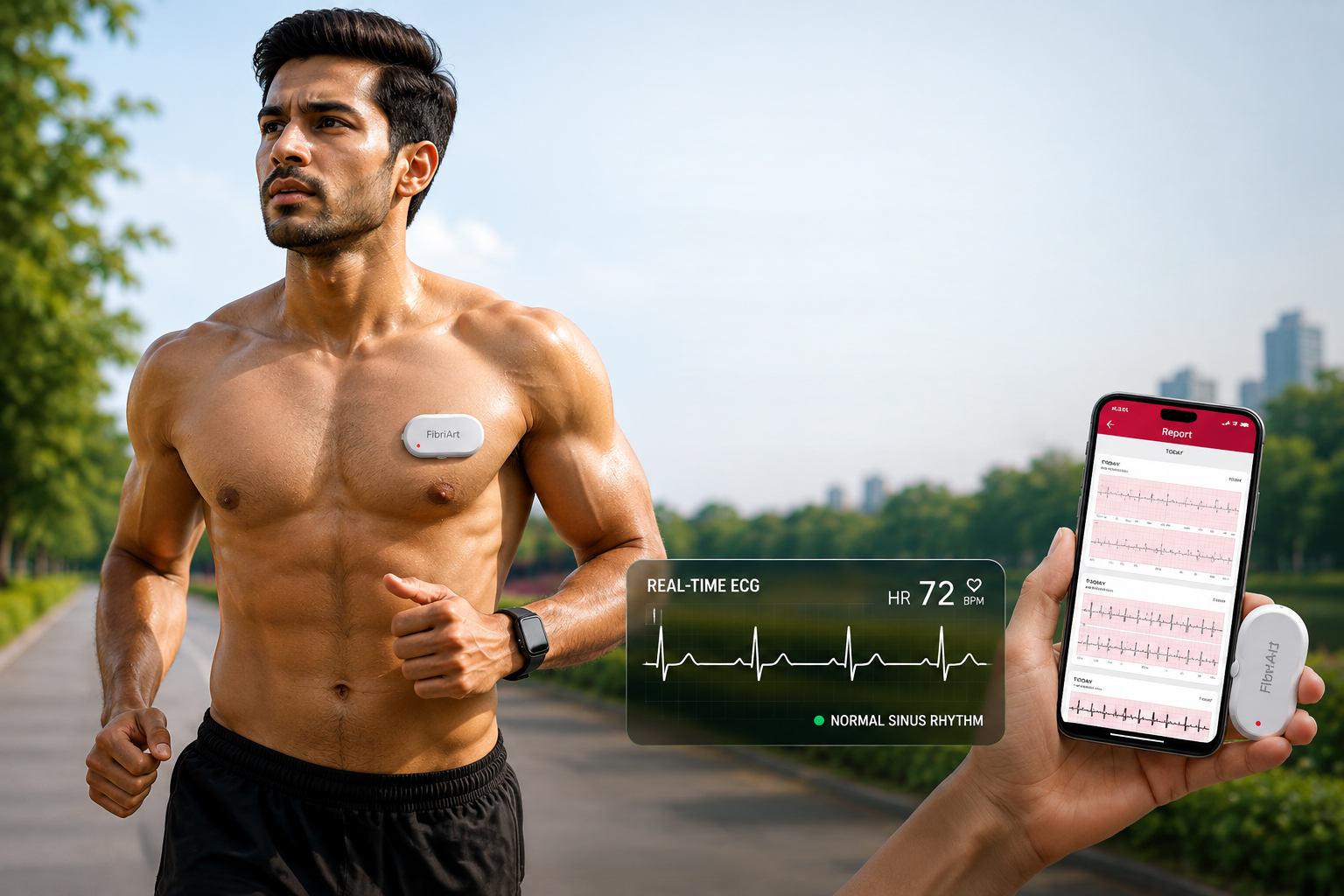
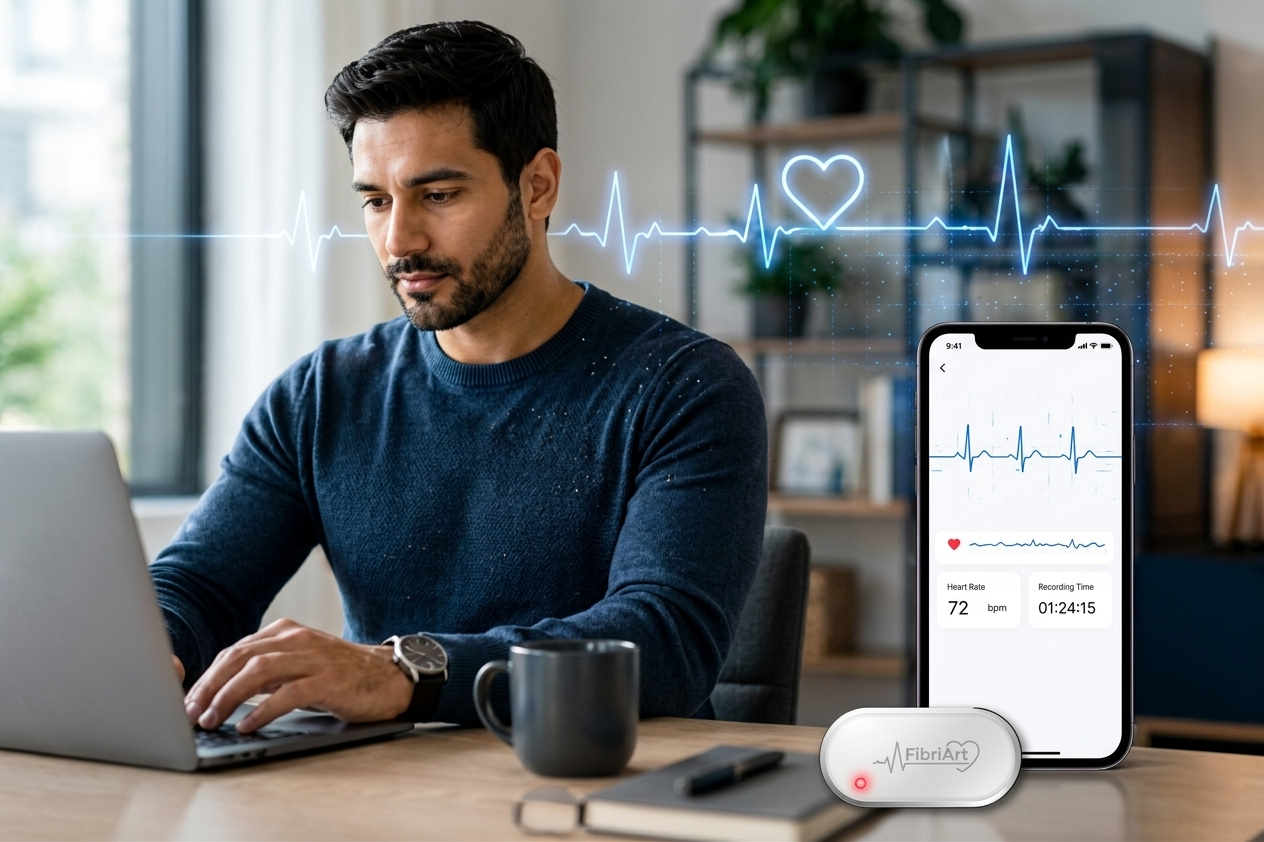
A lightweight wearable heart monitor that fits naturally into daily life encourages patients to wear it consistently, even during work, sleep, or light physical activity. When the device feels less intrusive, patients are less likely to remove it, resulting in more complete ECG recordings.
Advances in wearable technology have led to monitoring solutions that prioritise patient comfort without compromising clinical performance. Flexible materials, skin-friendly adhesives, and compact designs help reduce irritation while supporting extended monitoring periods.
Improved comfort offers benefits for both patients and clinicians. Patients experience fewer interruptions to their daily routine, while healthcare providers receive higher-quality data for evaluating cardiac health. More consistent recordings also increase the likelihood of successful arrhythmia detection, particularly for conditions that occur unpredictably.
Why Simplicity Matters in Long-Term ECG Monitoring
While comfort encourages patients to keep wearing a monitoring device, simplicity makes the entire process easier to follow.
Patients are more likely to complete ambulatory ECG monitoring when the device is straightforward to apply and requires minimal day-to-day management. Clear instructions, intuitive design, and automated data collection reduce the stress often associated with prolonged monitoring.
Simple devices also help minimise user-related errors. Patients can focus on their normal activities rather than worrying about operating the equipment, while clinicians receive more consistent and reliable recordings.
As healthcare increasingly moves toward patient-centred care, combining ease of use with clinical reliability has become essential. A monitoring solution that is both comfortable and simple not only improves patient compliance but also enhances the overall effectiveness of ambulatory cardiac monitoring, leading to better diagnostic outcomes for patients and greater confidence for healthcare professionals.
H2: Wearable ECG Monitors vs Traditional Holter Monitors
For many years, the Holter monitor has been the standard tool for recording heart activity outside a clinical setting. While it remains an effective diagnostic option, advances in wearable technology have introduced new solutions that are designed to improve both patient comfort and long-term monitoring outcomes.
One of the biggest differences lies in how each device fits into a patient's daily routine. Traditional Holter monitors typically involve multiple electrodes connected to an external recorder, which can feel restrictive during extended use. In contrast, modern wearable ECG solutions are designed to be lightweight, discreet, and easier to wear for longer periods, making them well suited for long term ECG monitoring.
| Feature | Traditional Holter Monitor | Modern Wearable Heart Monitor |
|---|---|---|
| Monitoring Duration | 24–48 Hours | Several days to weeks |
| Design | Multiple leads and external recorder | Compact, lightweight, and wearable |
| Comfort | Moderate | High |
| Daily Activities | May have some restrictions | Greater flexibility during everyday activities |
| Patient Compliance | Moderate | Higher due to improved comfort |
| Best Use | Frequent symptoms | Intermittent or hard-to-detect arrhythmias |
The choice between these monitoring options depends on the patient's condition and the clinician's recommendation. However, when symptoms occur infrequently, a wearable heart monitor that supports extended monitoring can significantly increase the chances of capturing clinically relevant cardiac events.
Long-Term Monitoring for AFib and Other Arrhythmias
Some heart rhythm disorders are unpredictable. A patient may experience symptoms only once every few days or even weeks, making diagnosis particularly challenging with short-duration tests.
This is especially true for atrial fibrillation (AFib), one of the most common cardiac arrhythmias worldwide. Because AFib episodes may begin and end without noticeable symptoms, they can easily go undetected during a routine ECG or even a 24-hour Holter study.
Extended monitoring provides clinicians with a much broader window to observe these irregular rhythms. A reliable Afib monitor can continuously record heart activity, increasing the likelihood of identifying silent or intermittent episodes that may otherwise remain unnoticed.
Beyond AFib, prolonged monitoring also supports the diagnosis of:
- Bradycardia
- Tachycardia
- Premature ventricular contractions (PVCs)
- Supraventricular tachycardia (SVT)
- Other intermittent rhythm abnormalities
Modern atrial fibrillation monitoring devices and other afib devices are designed to collect continuous ECG data with minimal disruption to the patient's daily routine. The longer patients remain compliant with monitoring, the greater the opportunity for successful arrhythmia detection, allowing healthcare providers to make informed treatment decisions earlier
Choosing the Right ECG Monitoring Device
Not every monitoring device offers the same patient experience. While diagnostic accuracy is essential, factors such as comfort, simplicity, and reliability can have a significant impact on whether patients complete the recommended monitoring period.
When selecting an ECG monitoring device, healthcare providers should consider features that support both clinical performance and patient adherence.
Comfortable for Extended Wear
Since monitoring may continue for several days or weeks, the device should be lightweight, discreet, and comfortable enough to wear throughout normal daily activities. A patient who barely notices the device is far more likely to complete the prescribed monitoring duration.
Easy to Apply and Use
Simple application reduces patient anxiety and minimises user-related errors. Devices that require minimal maintenance and automatically record ECG data help create a smoother monitoring experience for both patients and clinicians.
Reliable Data Quality
A monitoring solution should consistently capture high-quality ECG recordings throughout the wear period. Reliable data enables clinicians to assess heart rhythm abnormalities with greater confidence while reducing the need for repeat monitoring.
Designed Around the Patient
The best monitoring solutions are those that adapt to the patient's lifestyle rather than forcing patients to adapt to the device. Whether at work, resting, or carrying out everyday activities, the device should support uninterrupted heart rhythm monitoring with minimal inconvenience.
How Fibriart Supports Better Patient Compliance
Improving patient compliance begins with designing technology around the people who use it. Rather than focusing solely on clinical performance, modern cardiac monitoring solutions should also address the practical challenges patients face during extended monitoring.
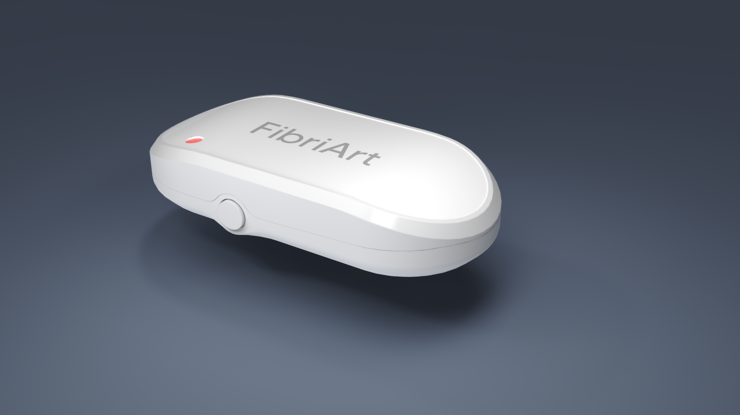
Fibriart's wearable cardiac monitoring approach reflects this patient-first philosophy. Its solutions are designed to support continuous ECG monitoring while prioritising comfort, ease of use, and reliable data collection.
With a lightweight wearable design, simplified application process, and extended monitoring capabilities, Fibriart helps reduce many of the barriers that traditionally affect long-term patient adherence. Patients can continue many of their everyday activities while clinicians receive comprehensive ECG data to support informed clinical decisions.
By combining patient comfort with dependable performance, wearable monitoring technologies can improve compliance without compromising diagnostic quality. This balance is becoming increasingly important as healthcare providers adopt more advanced ambulatory cardiac monitoring strategies for detecting intermittent heart rhythm disorders.
Conclusion
Successful long term ECG monitoring depends on more than advanced technology—it depends on whether patients are willing and able to wear the device for the recommended duration. When monitoring solutions are comfortable, simple to use, and designed to fit naturally into everyday life, patients are more likely to remain compliant, resulting in more complete ECG recordings and improved diagnostic accuracy.
As wearable cardiac technologies continue to evolve, patient-centred design will play an increasingly important role in supporting better clinical outcomes. By combining reliable performance with a positive user experience, modern ambulatory cardiac monitoring devices are helping healthcare providers detect arrhythmias earlier while making long-term monitoring more manageable for patients.
Frequently Asked Questions
Long-term ECG monitoring is a method of continuously recording the heart's electrical activity over several days or weeks. It helps detect intermittent heart rhythm abnormalities that may not appear during a standard ECG performed in a clinic.
Patient compliance ensures that the monitoring device collects continuous ECG data for the full prescribed duration. Consistent wear improves diagnostic accuracy and increases the likelihood of detecting irregular heart rhythms.
A heart rate monitor measures how fast the heart is beating, making it useful for fitness and general wellness. A wearable heart monitor or ECG-based monitoring device records the heart's electrical activity, enabling healthcare providers to detect arrhythmias and other cardiac abnormalities.
Yes. Long-term monitoring is particularly effective for identifying intermittent AFib episodes that may not occur during a routine ECG. Many atrial fibrillation monitoring devices are specifically designed to improve the detection of these irregular heart rhythms.
Look for a device that is comfortable to wear, easy to use, provides reliable ECG recordings, supports extended monitoring, and fits naturally into your daily routine. These features improve patient compliance and contribute to more accurate diagnostic results.
References
- January CT, Wann LS, Calkins H, et al. 2023 ACC/AHA/ACCP/HRS Guideline for the Diagnosis and Management of Atrial Fibrillation.
- Heart Rhythm Society (HRS). Ambulatory ECG Monitoring Guidelines.
- American Heart Association (AHA). Ambulatory Electrocardiographic Monitoring.
- European Society of Cardiology (ESC). Guidelines for the Management of Cardiac Arrhythmias.
- National Institute for Health and Care Excellence (NICE). Cardiac Arrhythmias: Diagnosis and Management.
Recent Posts




Limitations of Traditional Cardiac Monitoring Devices
March 25, 2026
How Fibriart-I ECG Patch Fits Into Your Clinic Workflow
March 11, 2026


Common Cardiac Rhythm Disorders and How They Often Go Undetected
February 05, 2026




The Future of Heart Health: How Wearable Heart Monitors Saving Lives
February 20, 2025